Ofuna Kannon Temple: A Giant Kannon, from the Shoulders Up
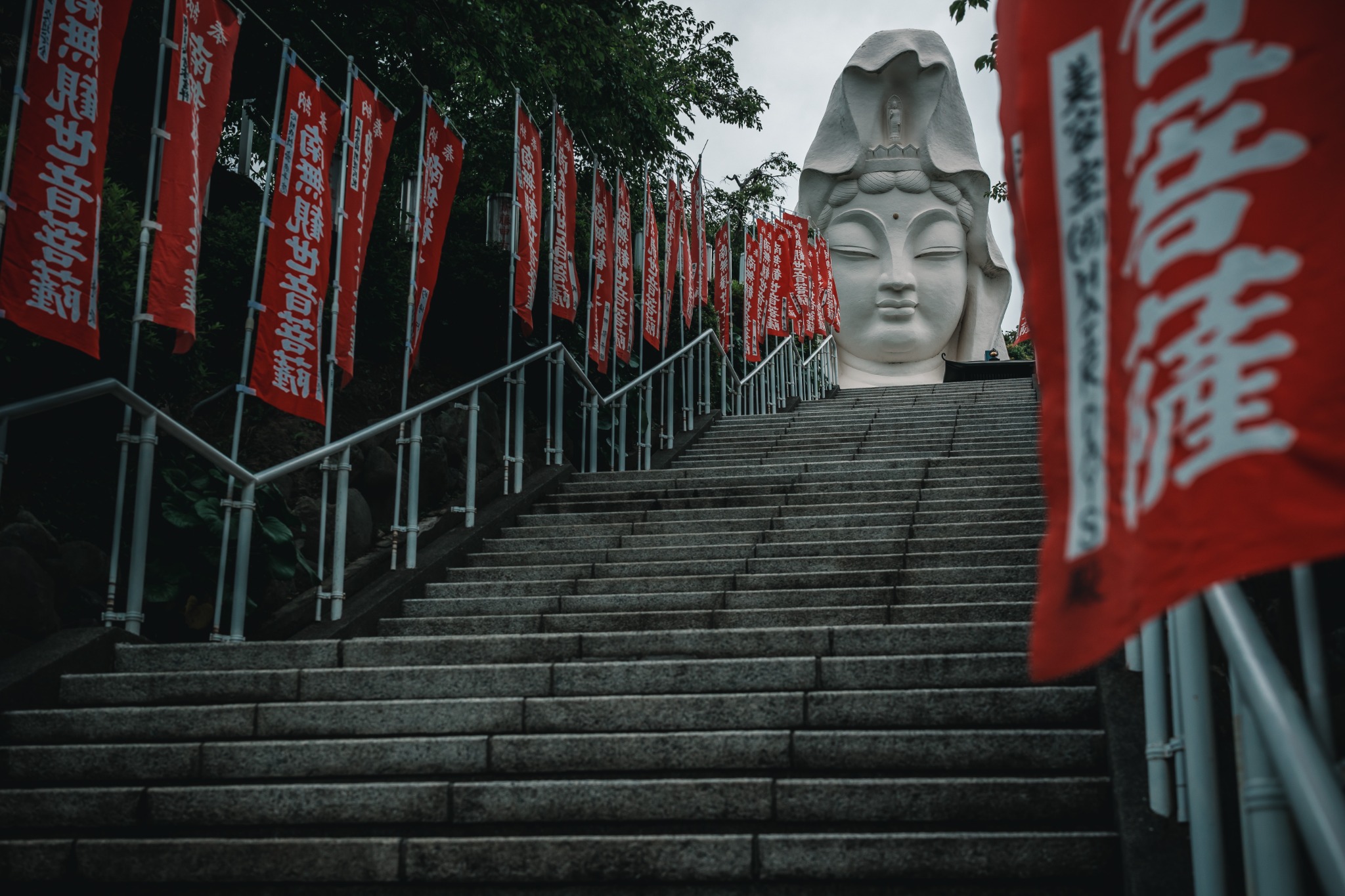
At the top of the steps, Ofuna Kannon looks entirely at ease. She is not the one who has to climb them.
Red banners line the approach, with an enormous white face waiting above them. Kannon is the Buddhist bodhisattva of compassion. Here, she is also a conspicuous part of the skyline.
This is Ofuna Kannon Temple in Kamakura, Kanagawa Prefecture, south of Tokyo. Around Ofuna Station, roads and buildings fill the foreground while her face rises above the trees. You do not need to be looking for a temple to notice her.
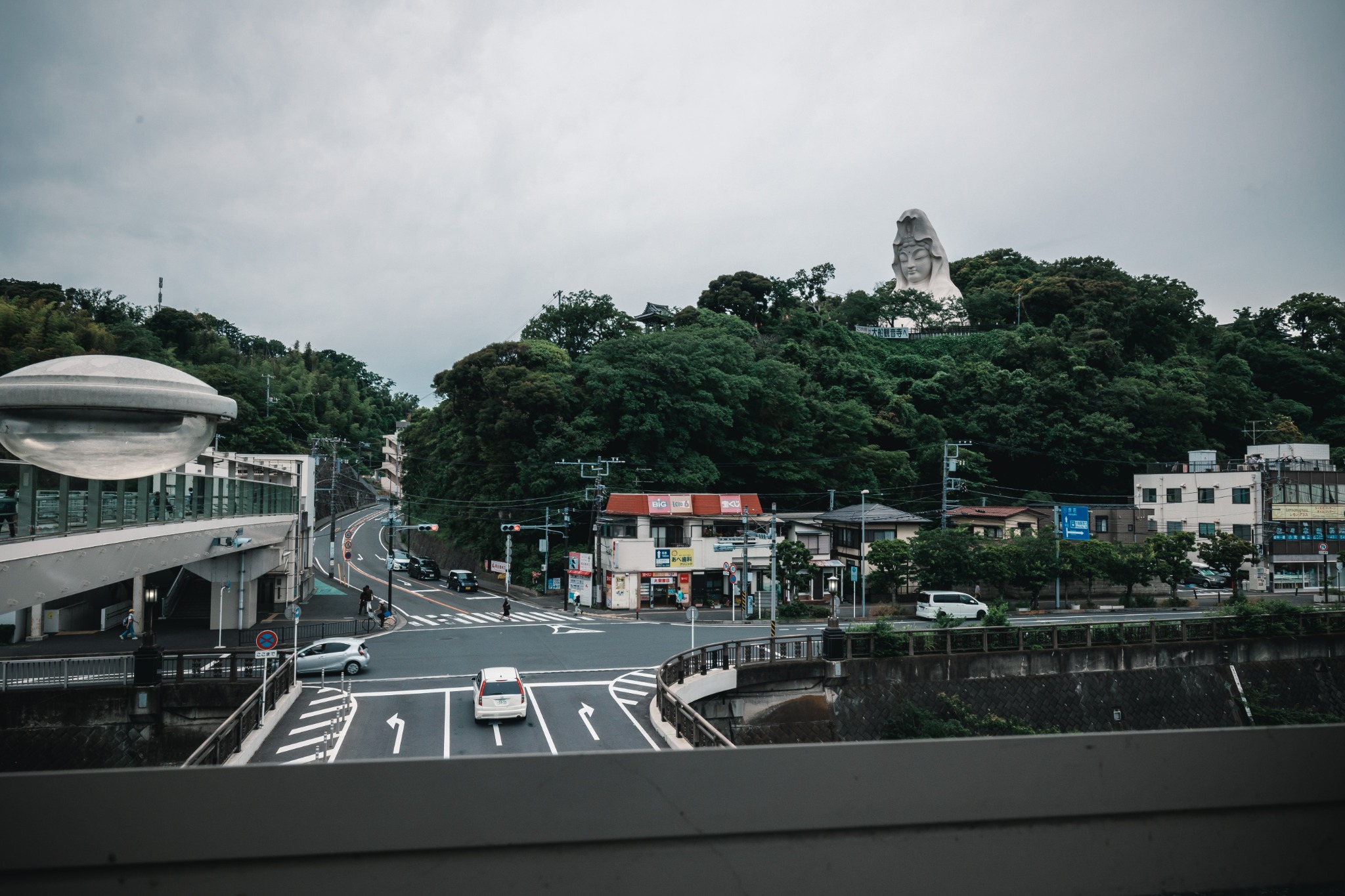
Kamakura is better known for its Great Buddha, whose bronze figure is about 11.3 metres high. Ofuna Kannon is roughly 25 metres: more than twice as tall, even though she is only a bust.
That last detail was not part of the original plan.
The hill had other ideas
When construction began in 1929, the plan was for a standing Kannon 100 shaku tall—about 30 metres—on a base of another 30 shaku.
Then the hill objected.
The ground was prone to crumbling towards the eastern slope, making the standing design impractical. The plan changed to a seated figure, then again to a bust. Even from the shoulders up, she would come within about five metres of the height once planned for her entire body. The ambition remained considerable; the posture had become negotiable.
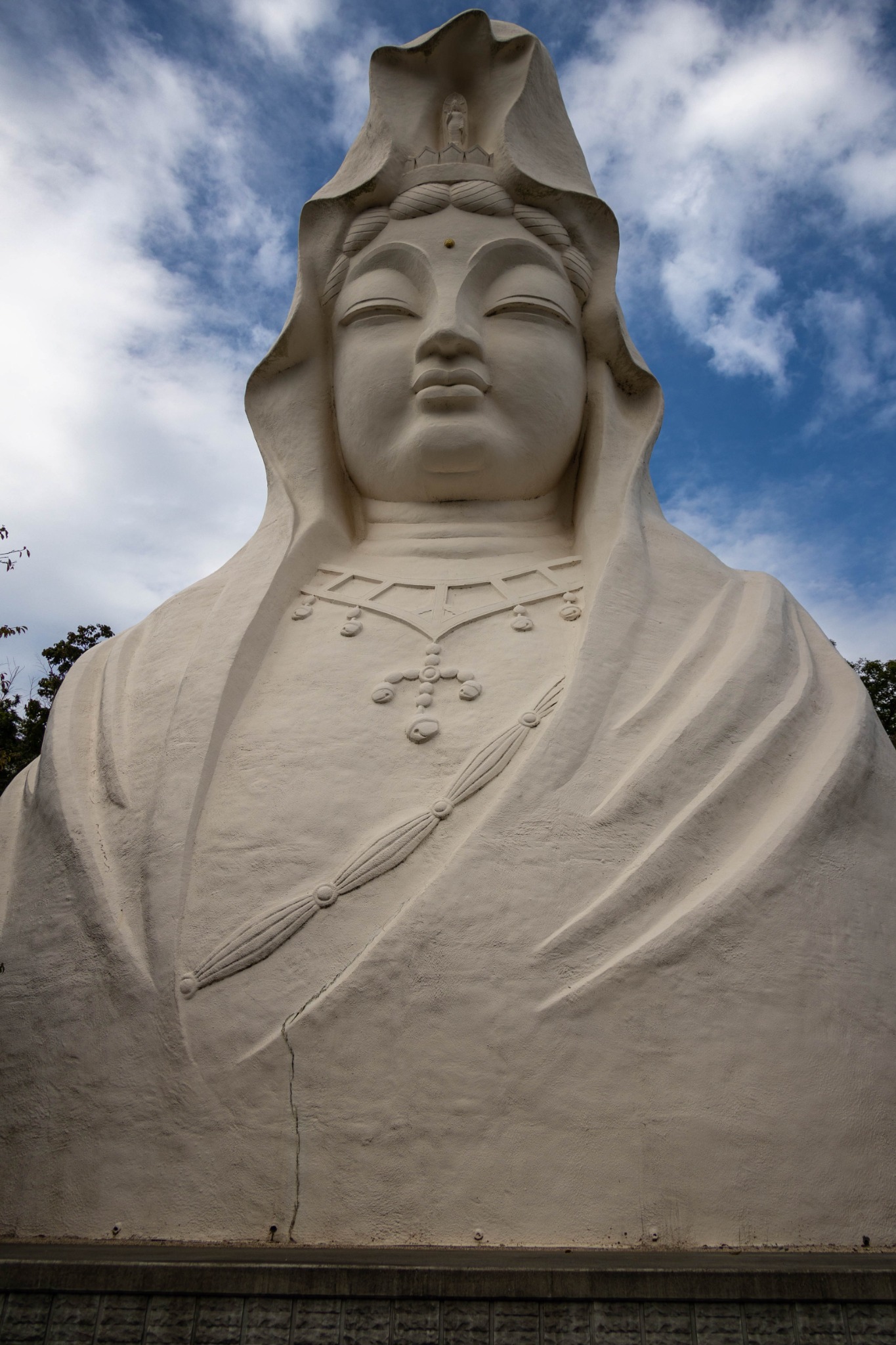
Agreeing on a shape did not mean they could finish it. The Great Depression made donations difficult to raise, and work stopped in 1934. It would remain suspended for 23 years.
A child born when construction stopped could have been an adult before it resumed.
Through war, defeat and the beginnings of postwar recovery, the unfinished statue remained on the hill. Construction finally resumed in 1957, and the completion ceremony followed in 1960 — 31 years after work had begun.
A closer look, inside
There is another reason to come up the hill: you can enter the statue.
Within the white exterior is an altar with flowers and elaborate hanging ornaments. The scale changes from something visible across town to something you stand directly in front of. There is even a notebook for leaving messages to Kannon: a modest format, given the size of the recipient.
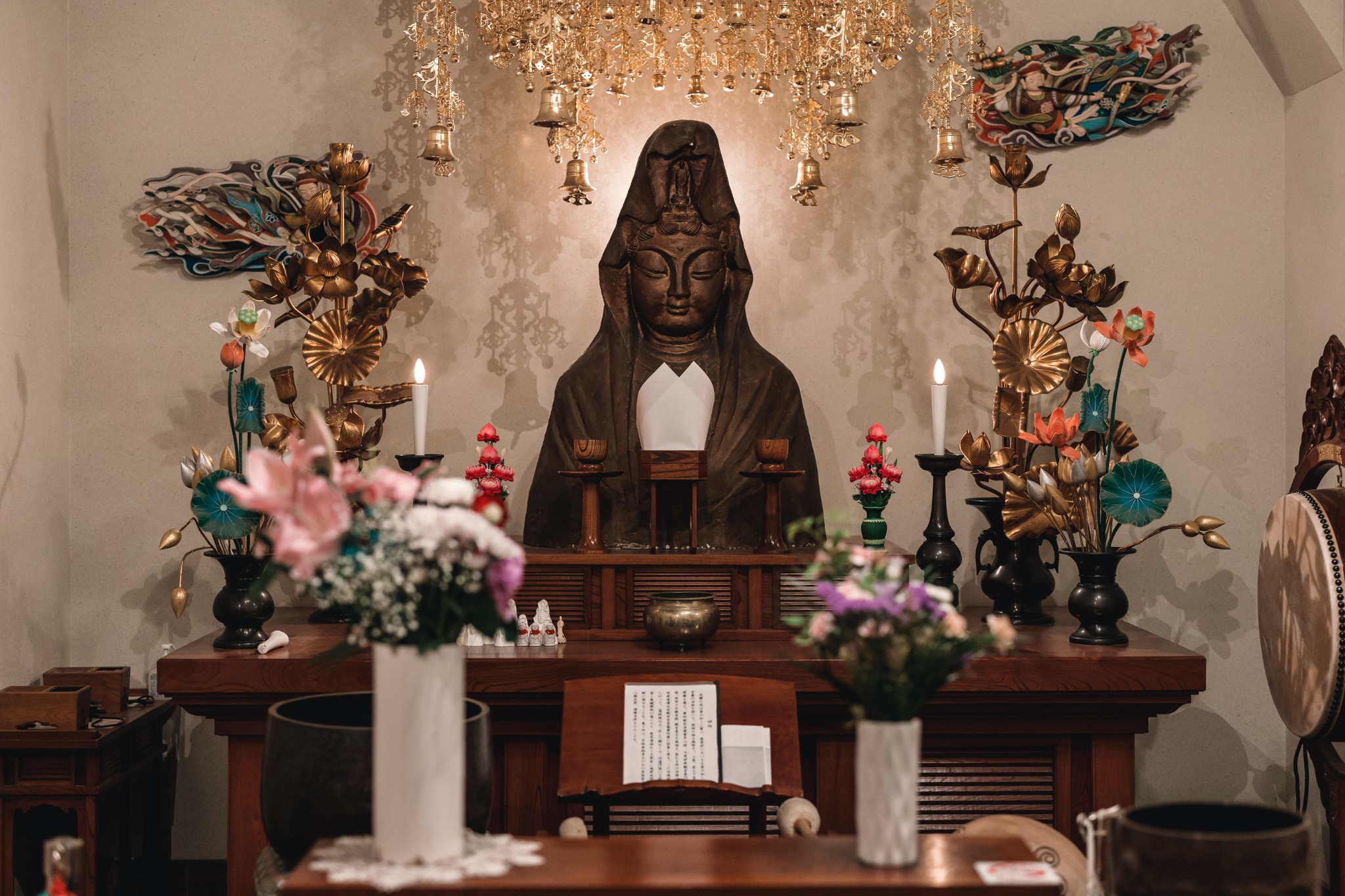
Then there are the small figures of the Sentai-butsu, or “Thousand Buddha” memorial, arranged in closely packed rows. Outside, the photographic challenge is fitting one figure into the frame. Inside, it is deciding where to look first.
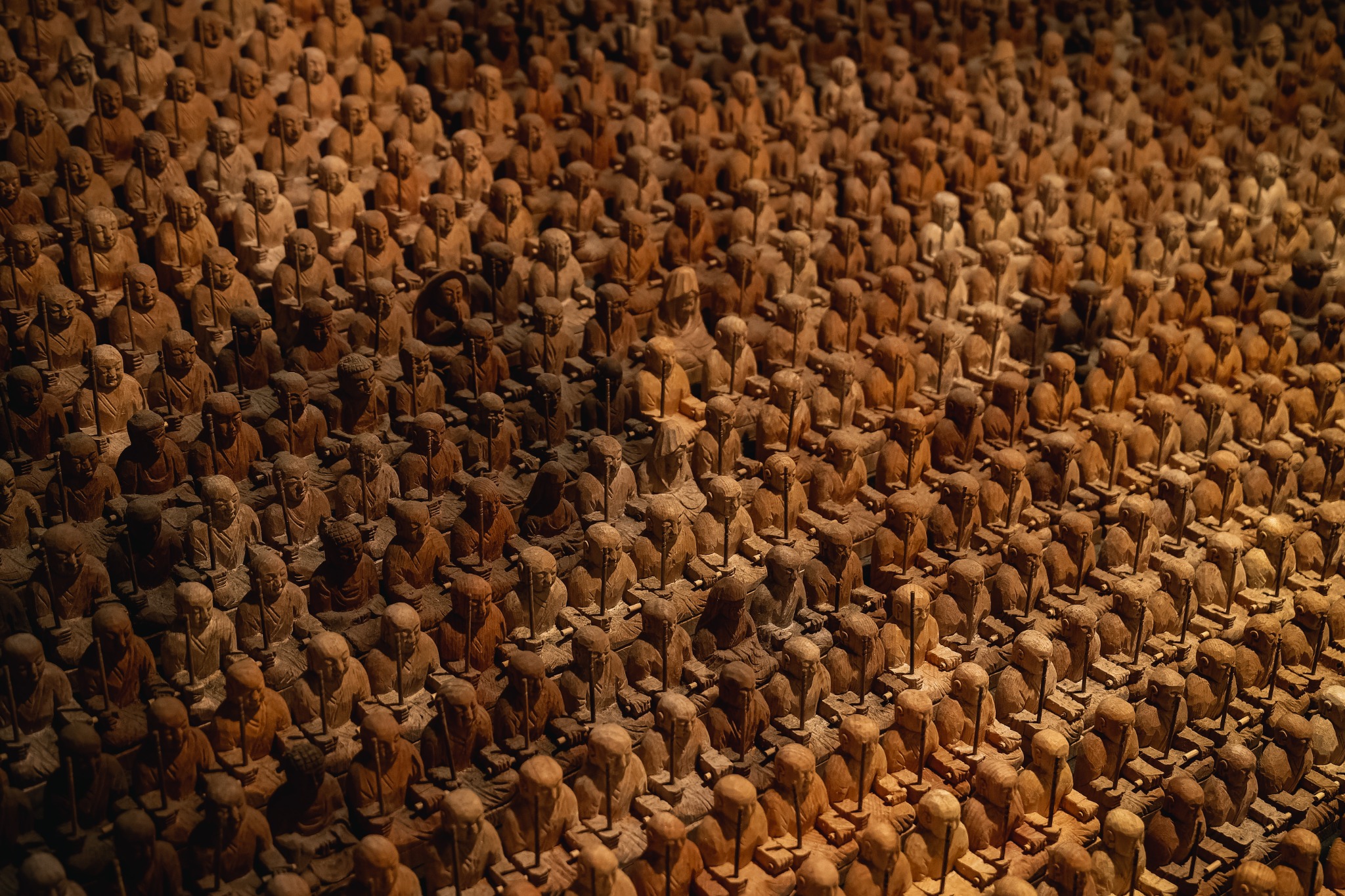
This interior is a space for remembrance and prayers for a world without war. It also raises a question that the statue’s sheer size can easily overshadow: whom was it built for?
The original project was rooted in ideas of national protection and the moral reform of society. But in 1939, while the statue was still unfinished, Zen priest Rōsen Takashina called for it to commemorate both Japanese and Chinese soldiers killed in the conflict. His proposal still used the nationalist language of its time, yet explicitly called for those on both sides to be mourned equally.
When the project was revived after the war, remembrance of the dead and world peace became central to the appeal for funds.
A flame still burning
That purpose extends beyond the statue. In the grounds, strands of folded paper cranes hang in dense bands of colour near the peace memorials.
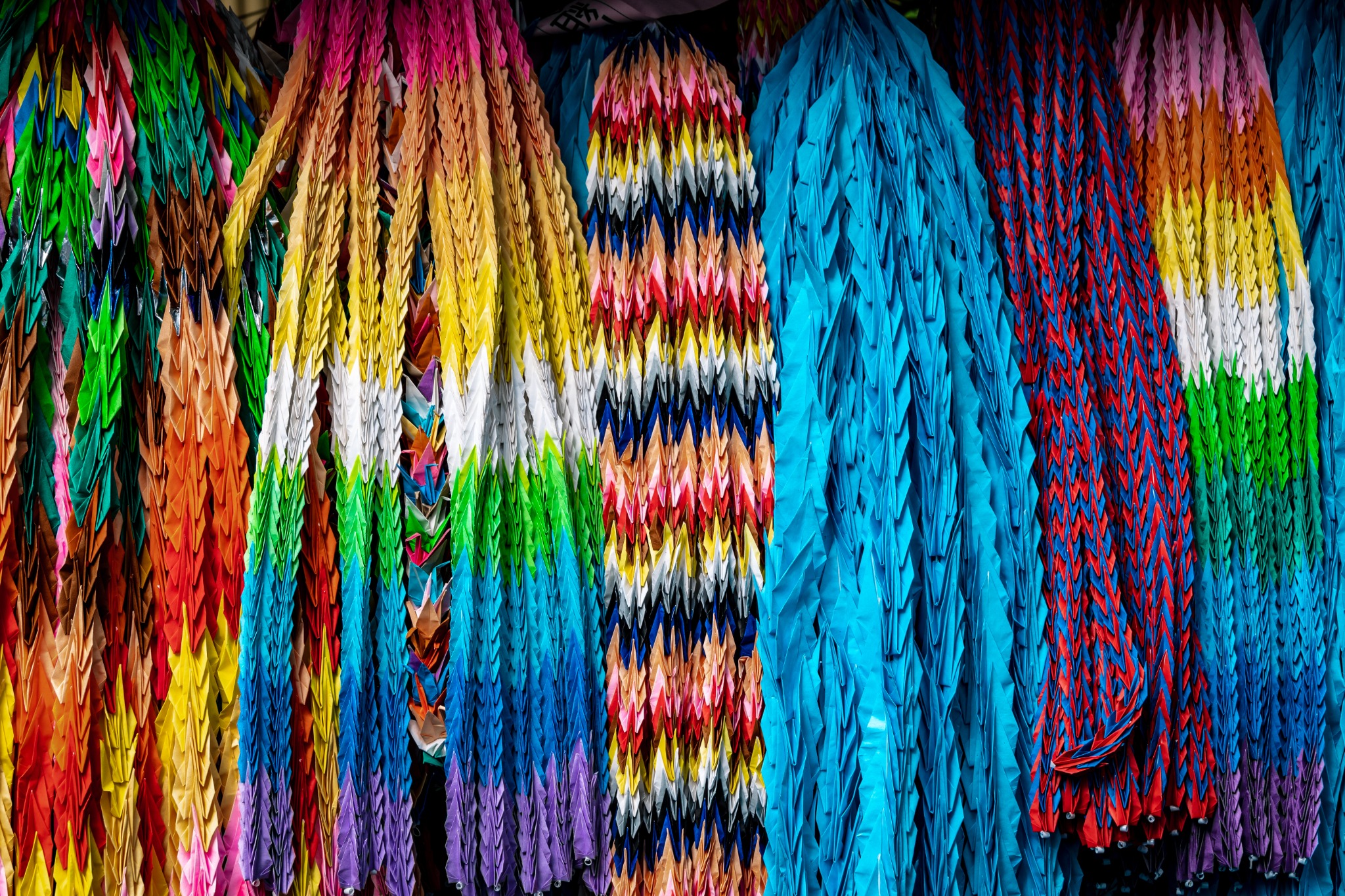
A memorial to victims of the atomic bombings was unveiled here in 1970. In 1990, a flame preserved from the aftermath of the Hiroshima bombing was brought to the temple. It is kept alight in the Tower of the Atomic Bomb Flame.
Before it reached Kamakura, the flame had been kept burning at a municipal office in Fukuoka Prefecture, far to the west. On 10 December 2024, the day Nihon Hidankyo, a nationwide organisation of atomic bomb survivors, received the Nobel Peace Prize, people gathered here to pray for peace in front of it.
The face above Ofuna
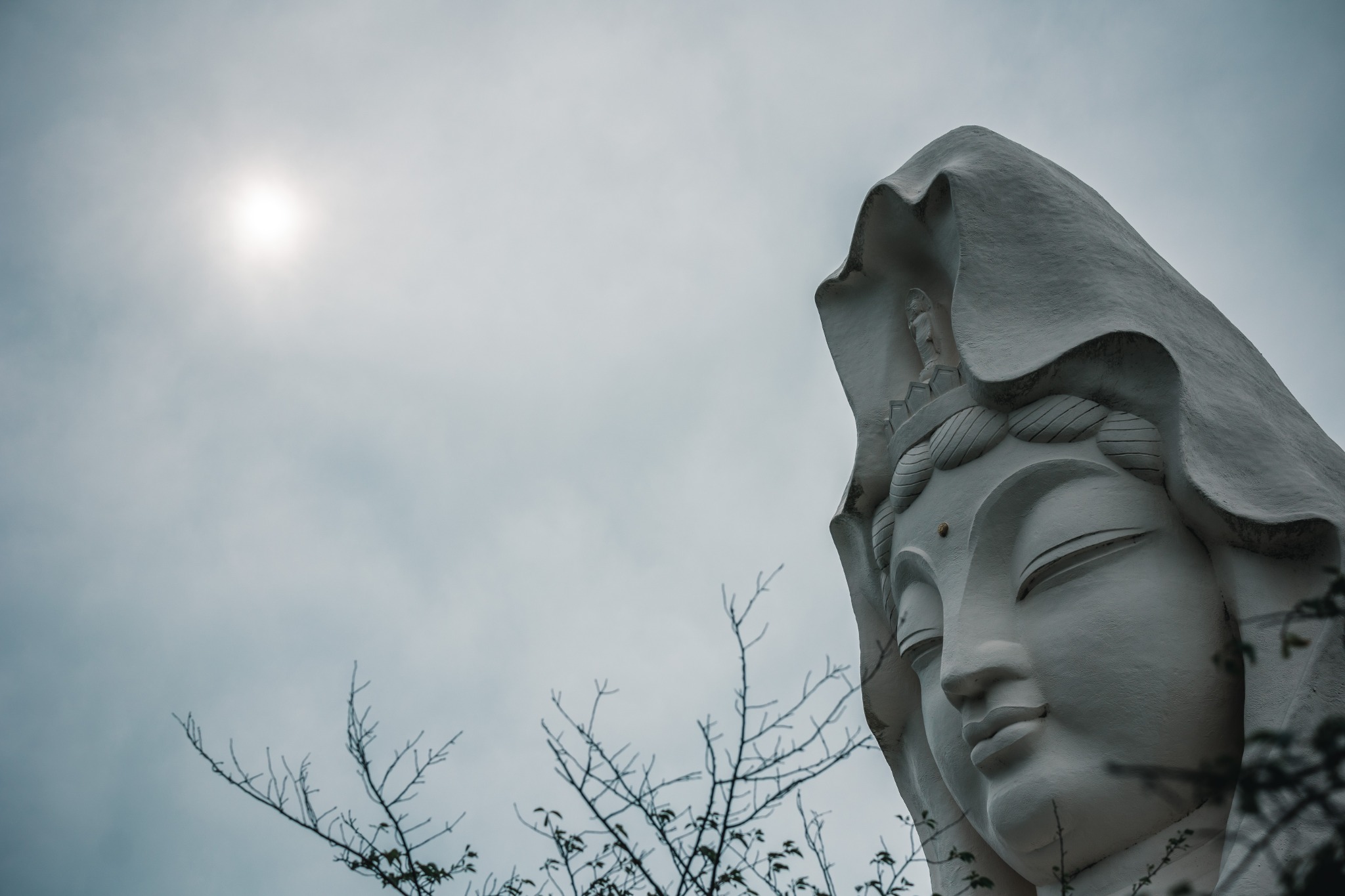
From the station, none of this is obvious. You see one calm white face above the trees.
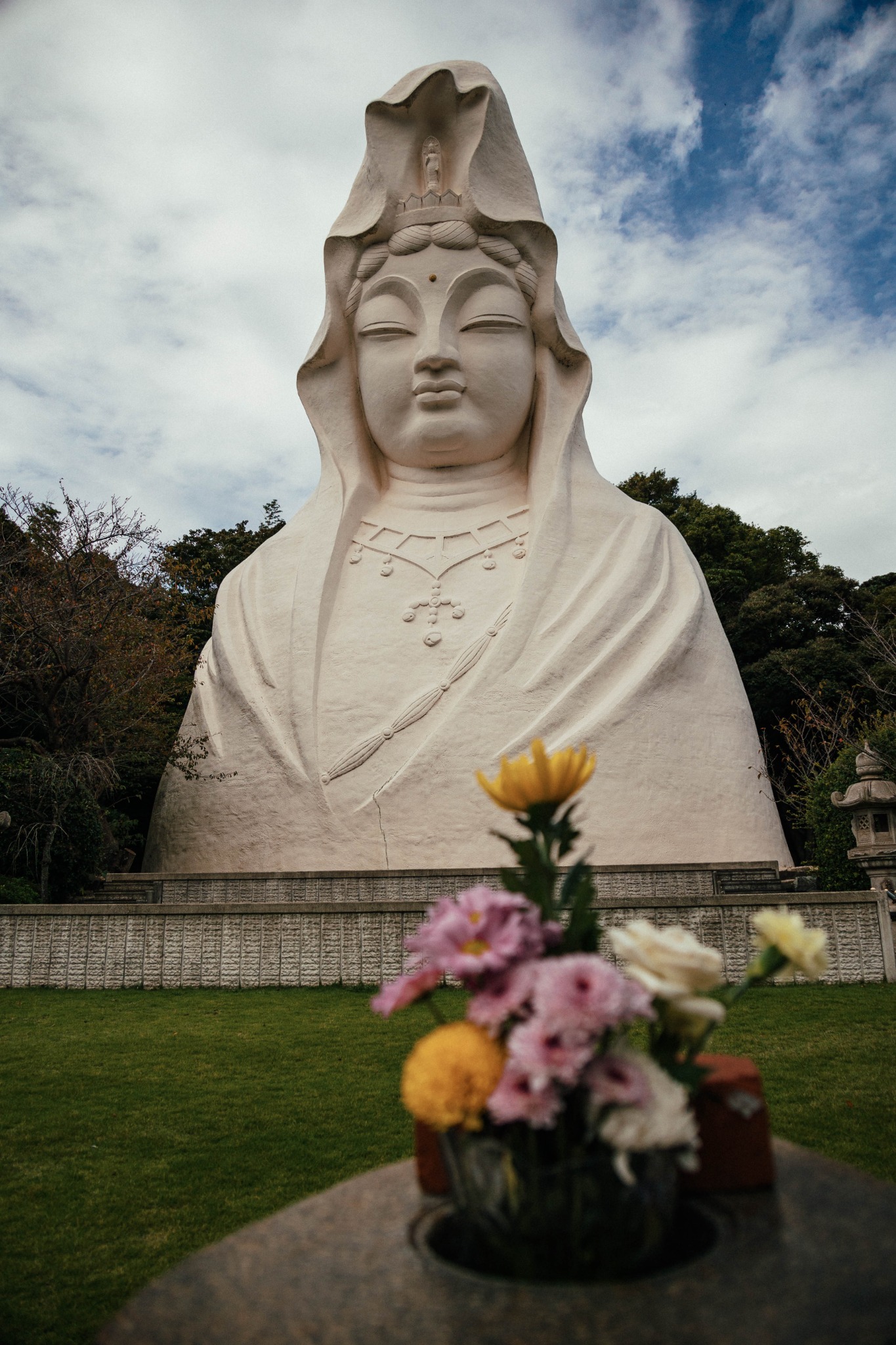
Today, Ofuna Kannon looks settled and inevitable, as though this were always the form it was meant to take and always the purpose it was meant to serve.
Neither was true.
A monument that would come to stand for peace had to wait for peace before it could be completed.
Visit this place
Location
Ofuna Kannonji Temple
1-5-3 Okamoto, Kamakura, Kanagawa 247-0072, Japan
Practical Information
- Place
- Ofuna Kannonji Temple (大船観音寺)
- Opening hours
- 9:00–16:00
- Admission
- Adults (high school age and older): ¥300; elementary and junior high school students: ¥100; younger children: free
- Nearest station
- Ofuna Station
- Access
- About 5–10 minutes on foot from Ofuna Station
The distance is short, but the final approach climbs steeply uphill and includes a substantial flight of stairs, so the walk can feel more strenuous than the map suggests. - Parking
- No temple parking
Use nearby paid parking or public transport. - Official website
- Ofuna Kannonji Temple
Information last checked: August 25, 2026
Conversation
Comments
Review pending commentsComments are reviewed before appearing. The internet already contains enough unattended surprises.
Checking comments…
Comments are not available in this migration preview yet. Existing comments remain on the current site.
Leave a comment