Kenchinjiru: Soup Lessons from the Zen Temple Next Door
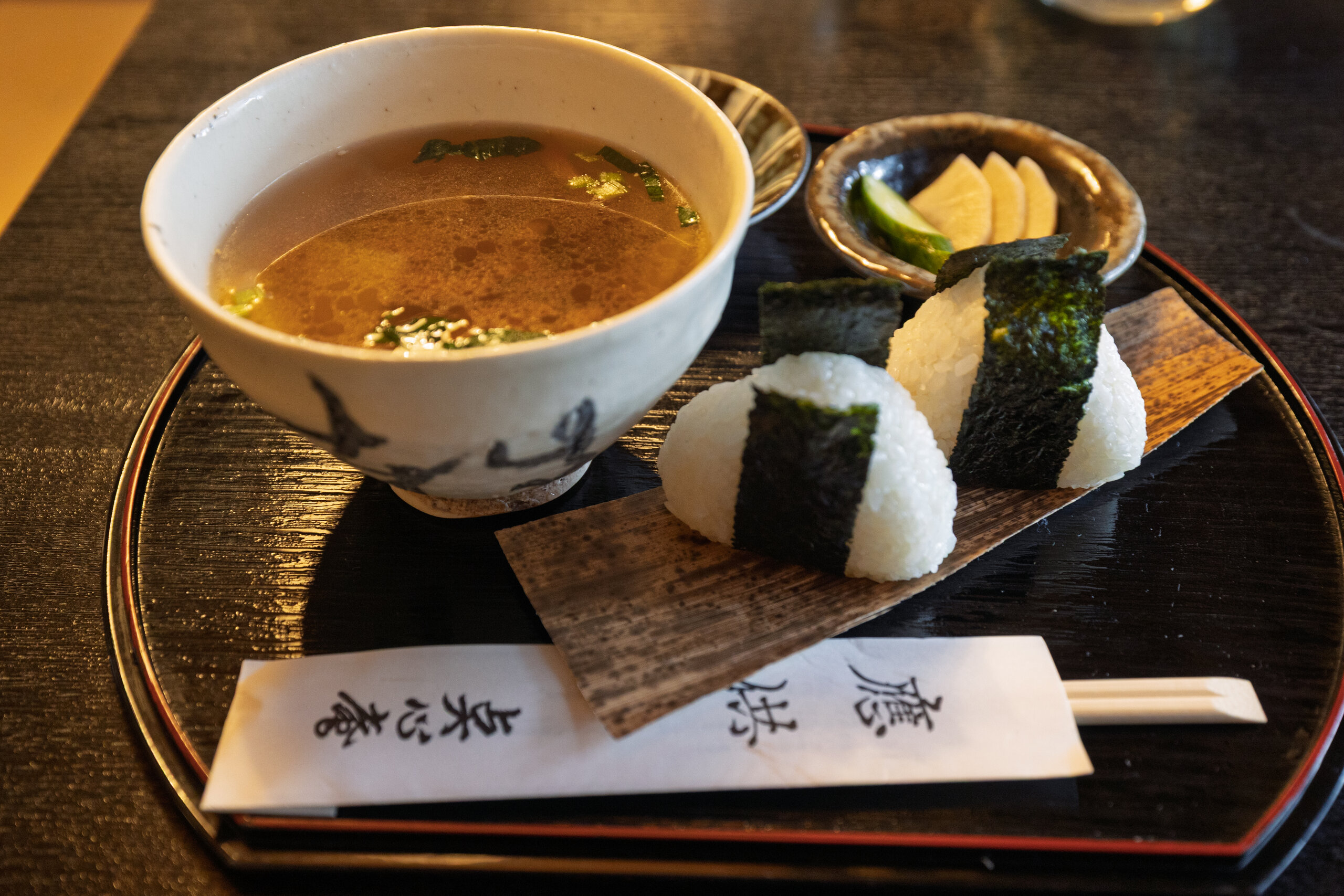
My lunch had a better Zen education than I did.
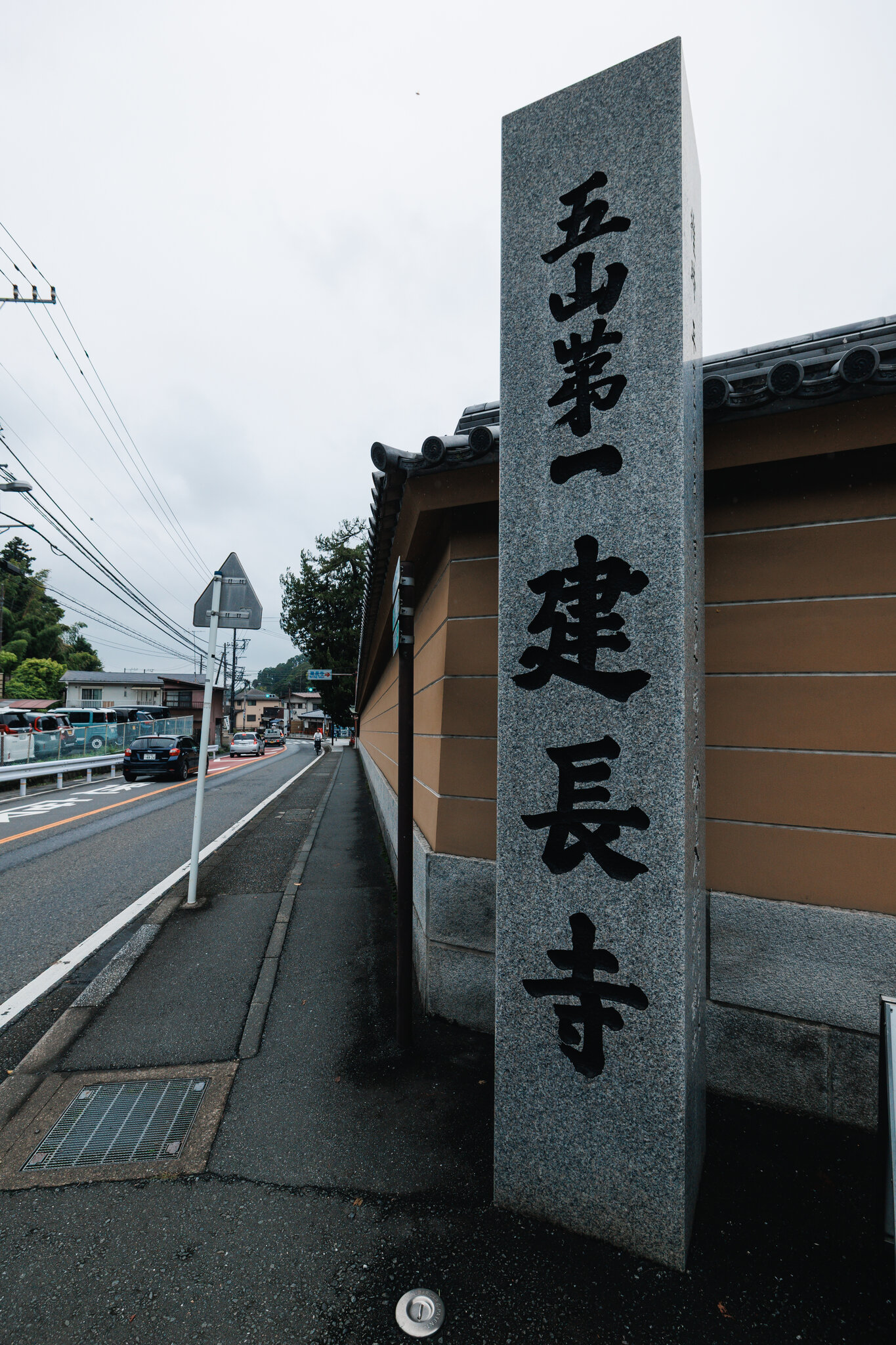
At Tenshin-an (点心庵) in Kita-Kamakura, south of Tokyo, the kitchen had learned to make kenchinjiru, a soup of vegetables and tofu, from Kenchōji, the Zen temple next door. The recipe was handed down by Yoshida Shōdō, the temple’s Zen master, and it took many rounds of trial and error to get right. The soup also carried the temple’s approval.
Before the first spoonful
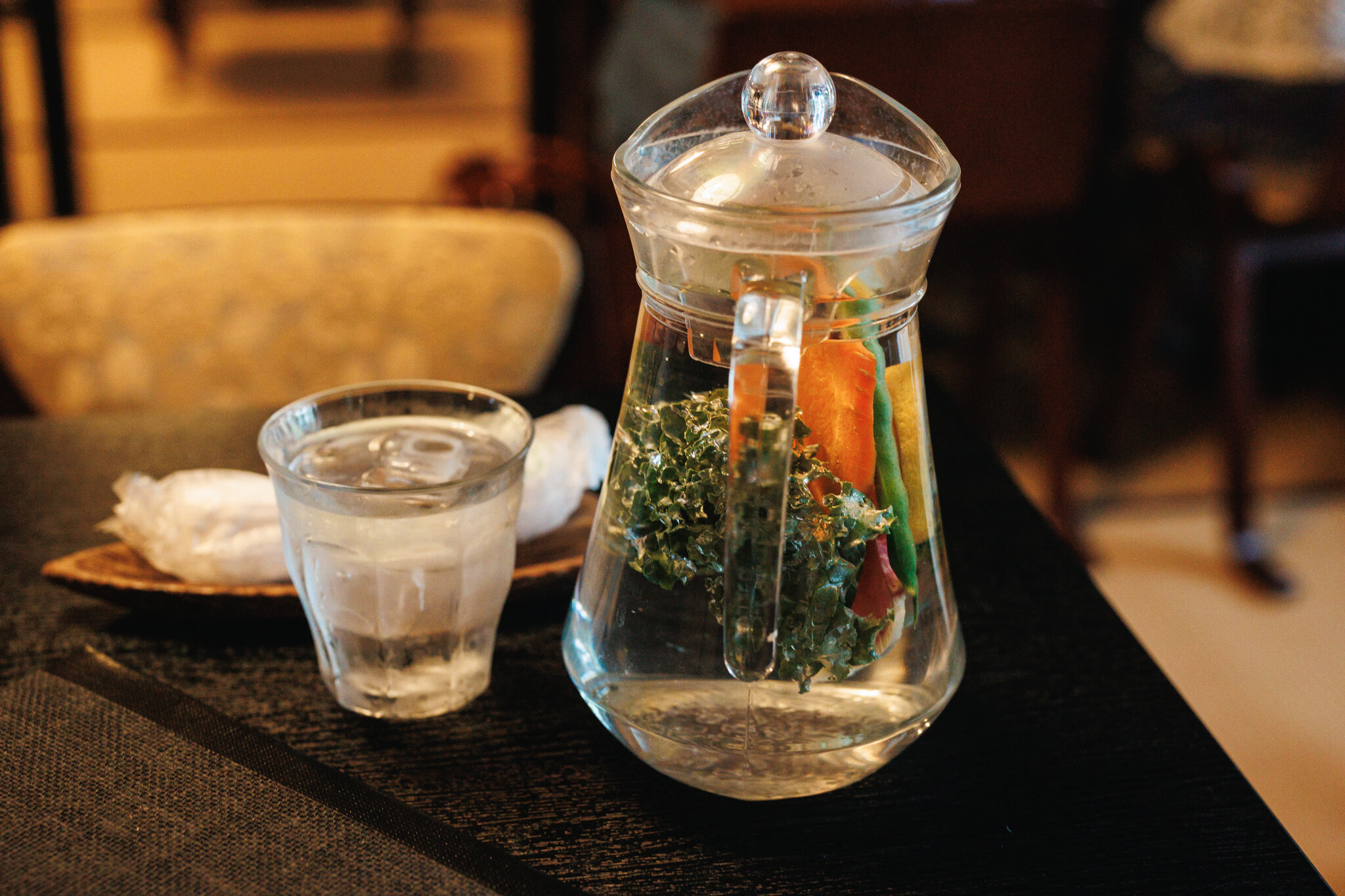
Before it arrived, a glass pitcher of water came to the table with Kamakura vegetables arranged inside like flowers. Bright slices stood among the leaves, turning the complimentary water into a small centrepiece. Somebody here was taking vegetables seriously.
Kenchōji also appears in one explanation of the soup’s name: Kenchō-jiru, the temple’s soup, is said to have become kenchinjiru. Another account traces the name to kenchin, a dish associated with Chinese-influenced cooking. Whatever the word’s route into Japanese, the restaurant had gone straight to the neighbouring temple for its cooking instructions.
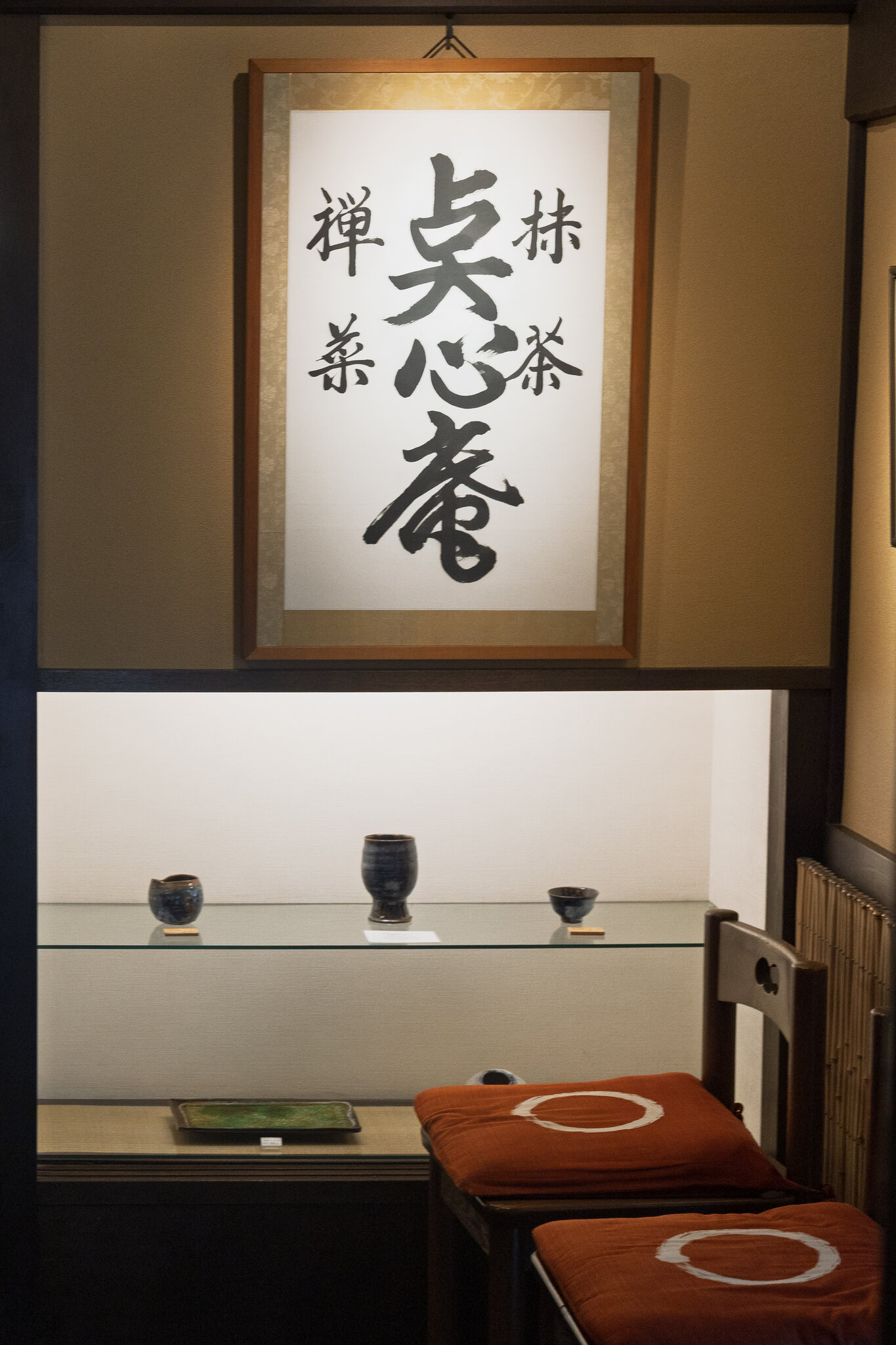
It had gone there for its name as well: Yoshida chose it. Tenshin (点心) comes from a Zen expression for putting a little food into an empty stomach. Read in Cantonese, the same word becomes dim sum. No dumplings were involved.
A soup worth building lunch around
The set arrived with a generous bowl of amber broth, two rice balls wrapped in nori, and small dishes of simmered vegetables and pickles. It was an unshowy arrangement. After the water pitcher, the food looked positively restrained.
Then there was the broth. Shiitake gave it a deep savoury flavour; sesame oil brought a warm, nutty richness. Neither disappeared behind the other. Vegetables and tofu gave the bowl substance, but the liquid itself was what kept drawing me back. This was not soup waiting politely beside the main attraction.
Some of that flavour develops before any broth goes into the pot. In the temple’s version, the vegetables are first sautéed in sesame oil, then simmered in stock made with kombu seaweed and shiitake. This is shōjin ryōri, Japanese Buddhist vegetarian cooking: the stock, as well as the visible ingredients, is plant-based.
Each February, at Kenchōji’s Setsubun ceremony, the people who throw beans to drive out bad luck sit down to kenchinjiru. At Tenshin-an, being hungry was sufficient.
The tofu comes with a lesson of its own. A trainee monk on kitchen duty at Kenchōji is said to have dropped some, and the founding abbot, Rankei Dōryū, picked up the broken pieces, rinsed them and put them in the soup. That is said to be why the tofu in kenchinjiru is crumbled by hand rather than cut. Tenshin-an still crumbles it. The lesson was about not wasting food. The trainee presumably learned a second one.
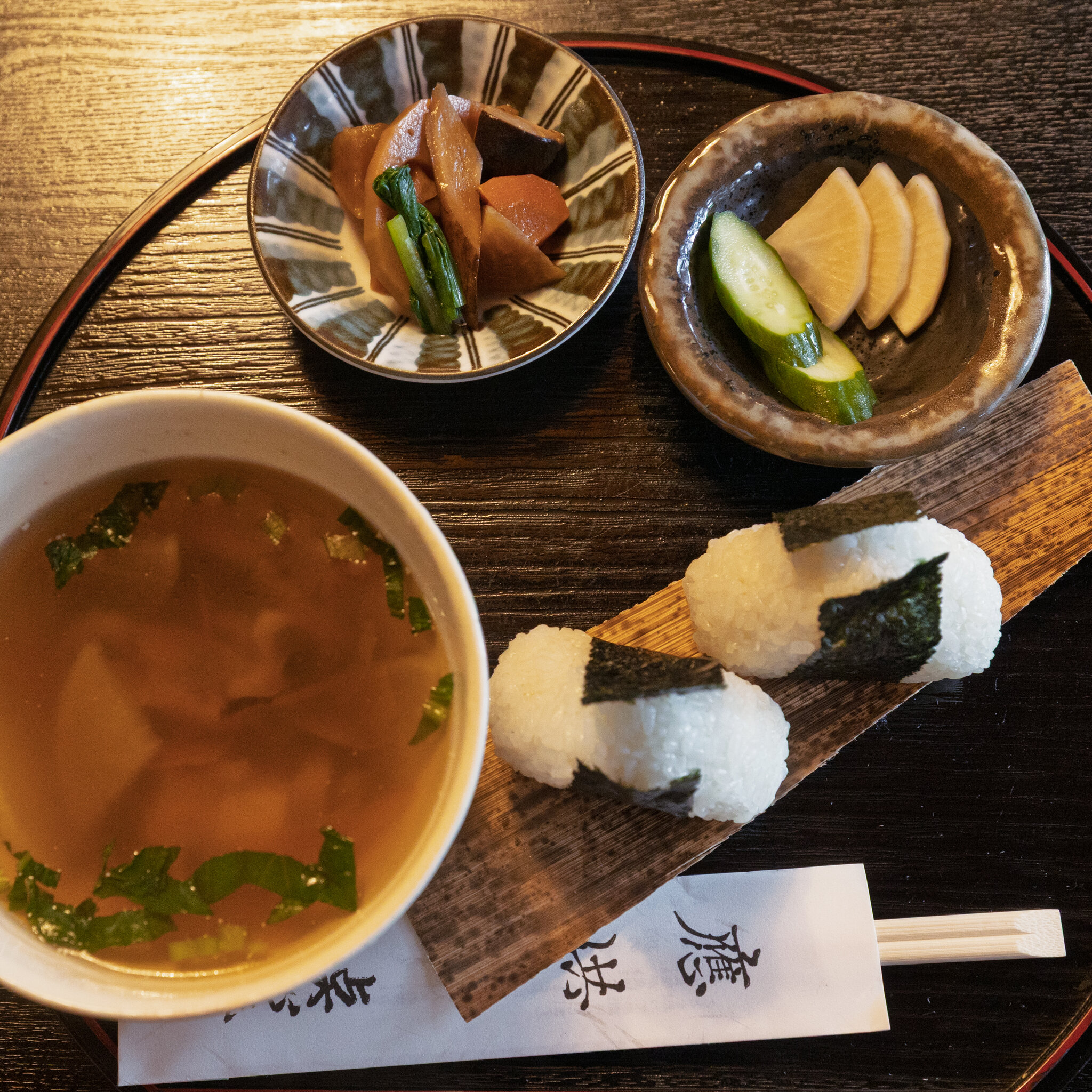
Beside the soup, the shio musubi, or salt-seasoned rice balls, were just as satisfying in a quieter way. The rice was beautifully cooked, the grains holding together without losing their individual texture. There was no filling to work towards. The rice had to justify the whole rice ball, and it did.
Salt supplied the seasoning, and the strip of nori gave each mouthful a little more flavour. Moving between the plain rice and the richer broth, with the side dishes in between, was a pleasure in itself. I would happily return for this lunch without needing a temple visit as an excuse.
A garden for dessert
After soup and rice, I ordered a small patch of moss.
The moss parfait came in a square container dusted with matcha, right down its outer walls. Two scoops of ice cream rose above pieces of castella sponge cake, while more green powder spread across the metallic plate. The container looked as though it had spent a productive season in a damp corner of a garden.
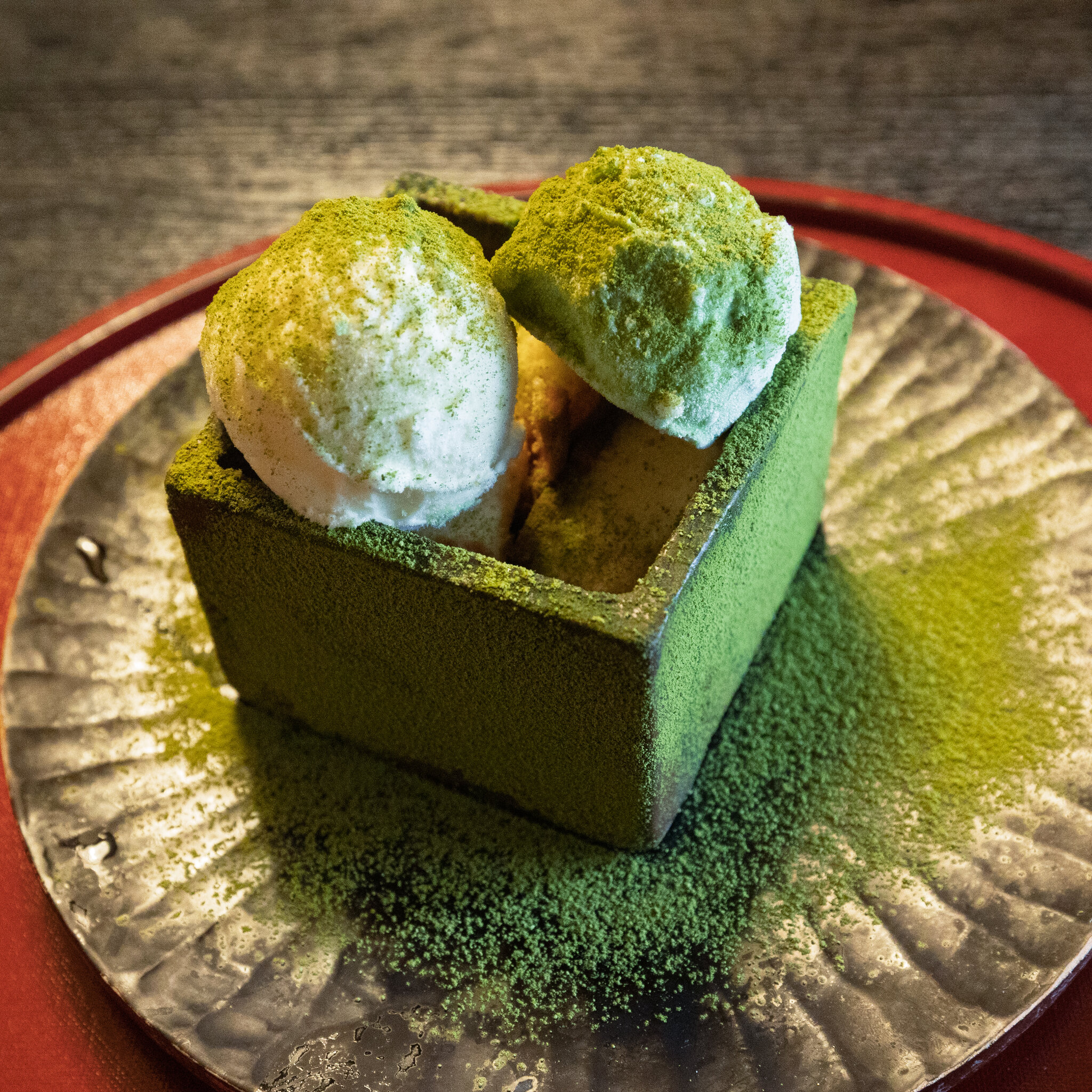
It was beautiful, even with the ingredients plainly visible: vanilla and matcha ice cream, castella, and matcha pudding underneath. The pleasure was partly in that mismatch. These were familiar sweets, arranged to resemble something I would normally be careful not to tread on.
Getting to the pudding required a less delicate attitude towards the landscape.
There was a full-sized garden at the back of the restaurant, too. Beyond the dining area, a tatami room provided a space for zazen, Zen seated meditation. Visitors could also simply enjoy the view.
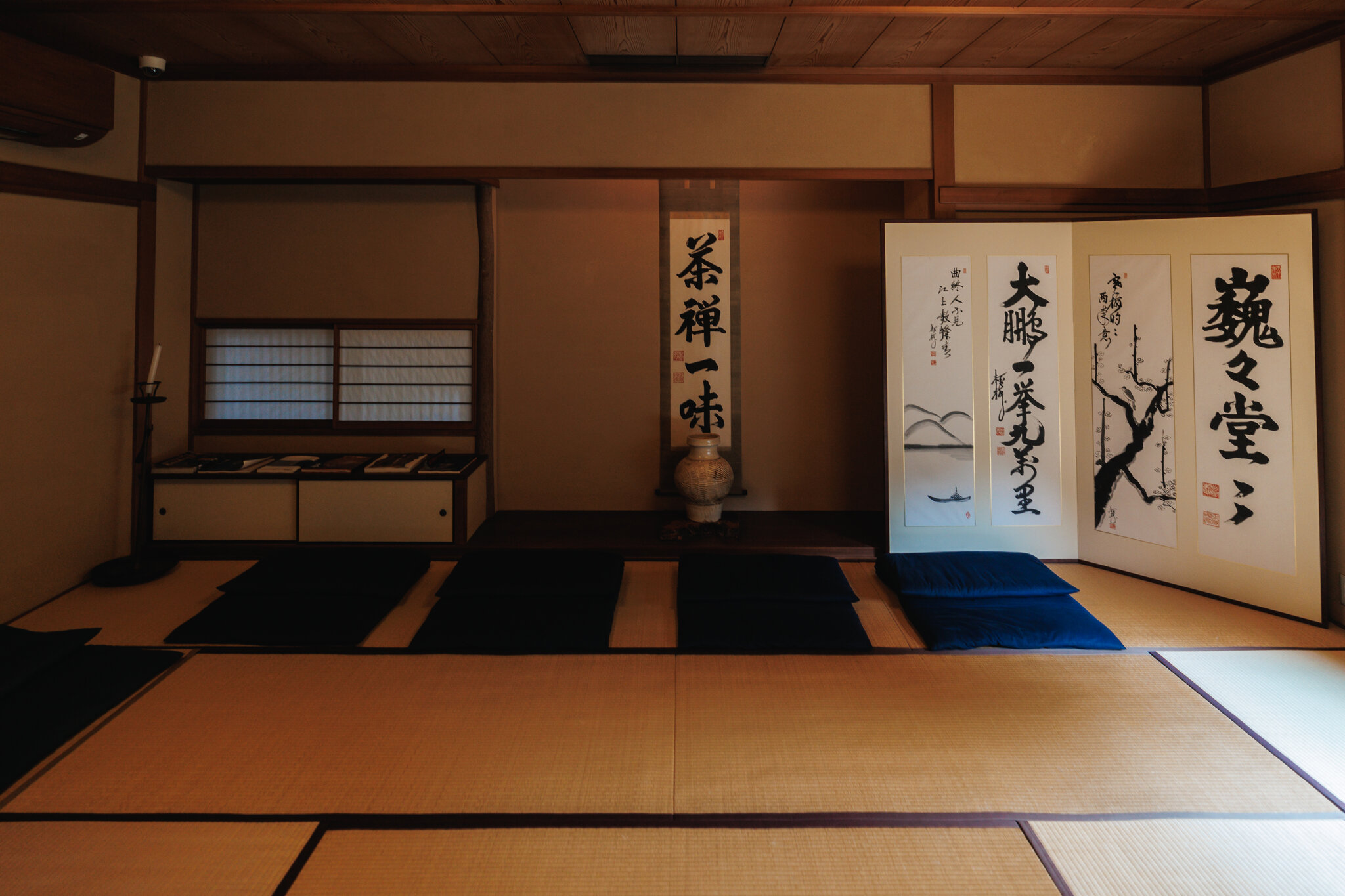
The dim room made the greenery outside seem especially bright. Stepping stones crossed the low ground cover, with leaves crowding around them and moss spreading over the rocks. Cushions were laid out on the tatami, inviting visitors to sit quietly and take it all in.
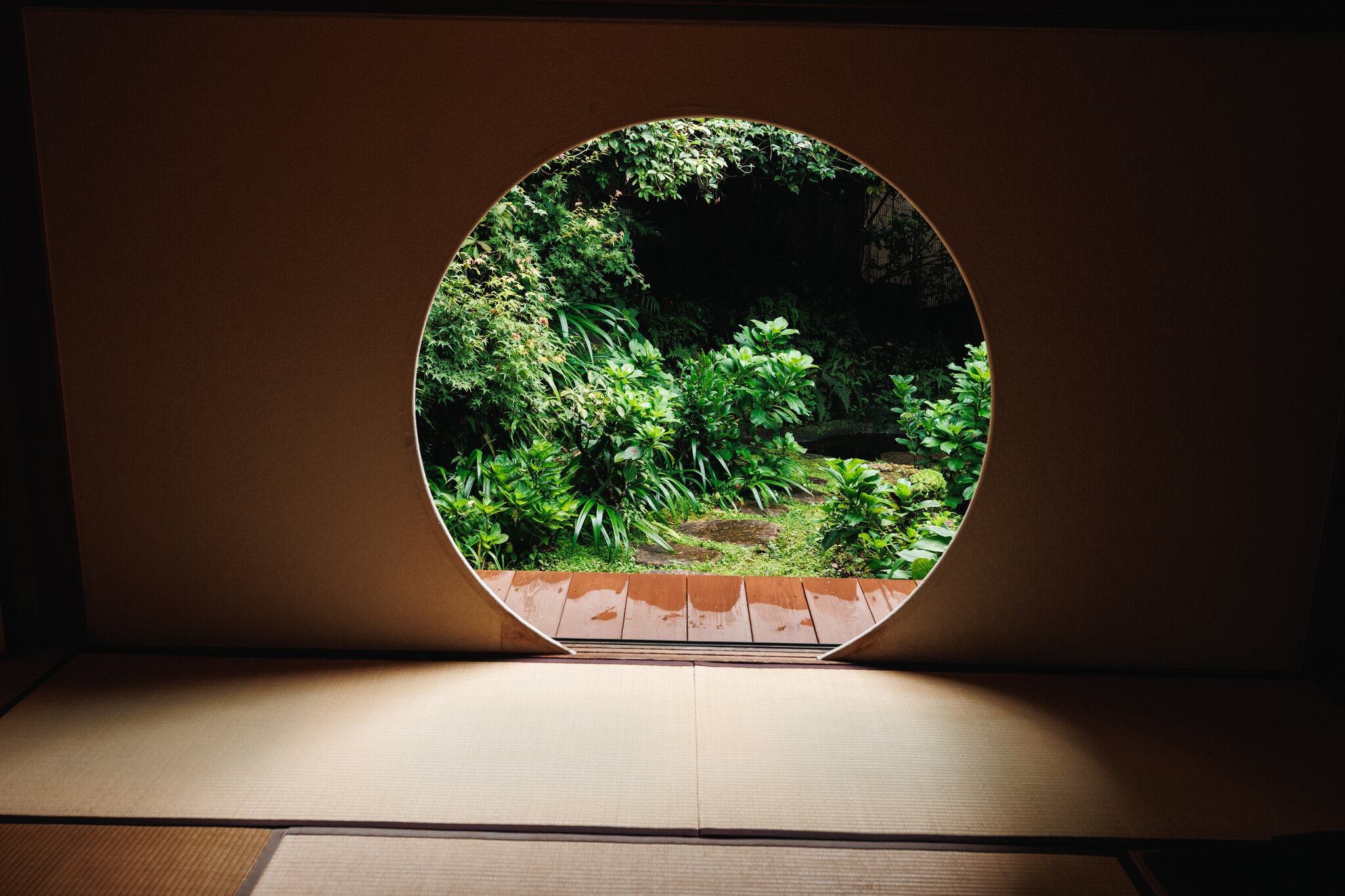
After the moss parfait, I could appreciate being shown the real garden at the end of the meal.
It was probably safer once I was full.
Location
Restaurant
Tenshin-an (点心庵)
Immediately outside Kenchōji’s main entrance, about 14–15 minutes on foot from Kita-Kamakura Station
7 Yamanouchi, Kamakura, Kanagawa 247-0062, Japan
Practical Information
- Dish
- Kenchinjiru Set / Kenchō-jiru (建長汁・けんちん汁)
- Associated area
- Kita-Kamakura, Kanagawa
- Opening hours
- 11:00–16:00 (last orders 15:00)
- Closing days
- Tuesdays; Wednesday instead when Tuesday is a public holiday
- Phone
- +81 467-55-9350
- Official website
- Tenshin-an (English); current hours and closure notices (Japanese)
Information last checked: September 25, 2026 (opening hours, closing days and contact details).
Conversation
Comments
Review pending commentsComments are reviewed before appearing. The internet already contains enough unattended surprises.
Checking comments…
Comments are not available in this migration preview yet. Existing comments remain on the current site.
Leave a comment