Machida Squirrel Garden: A Very Enthusiastic Welcome

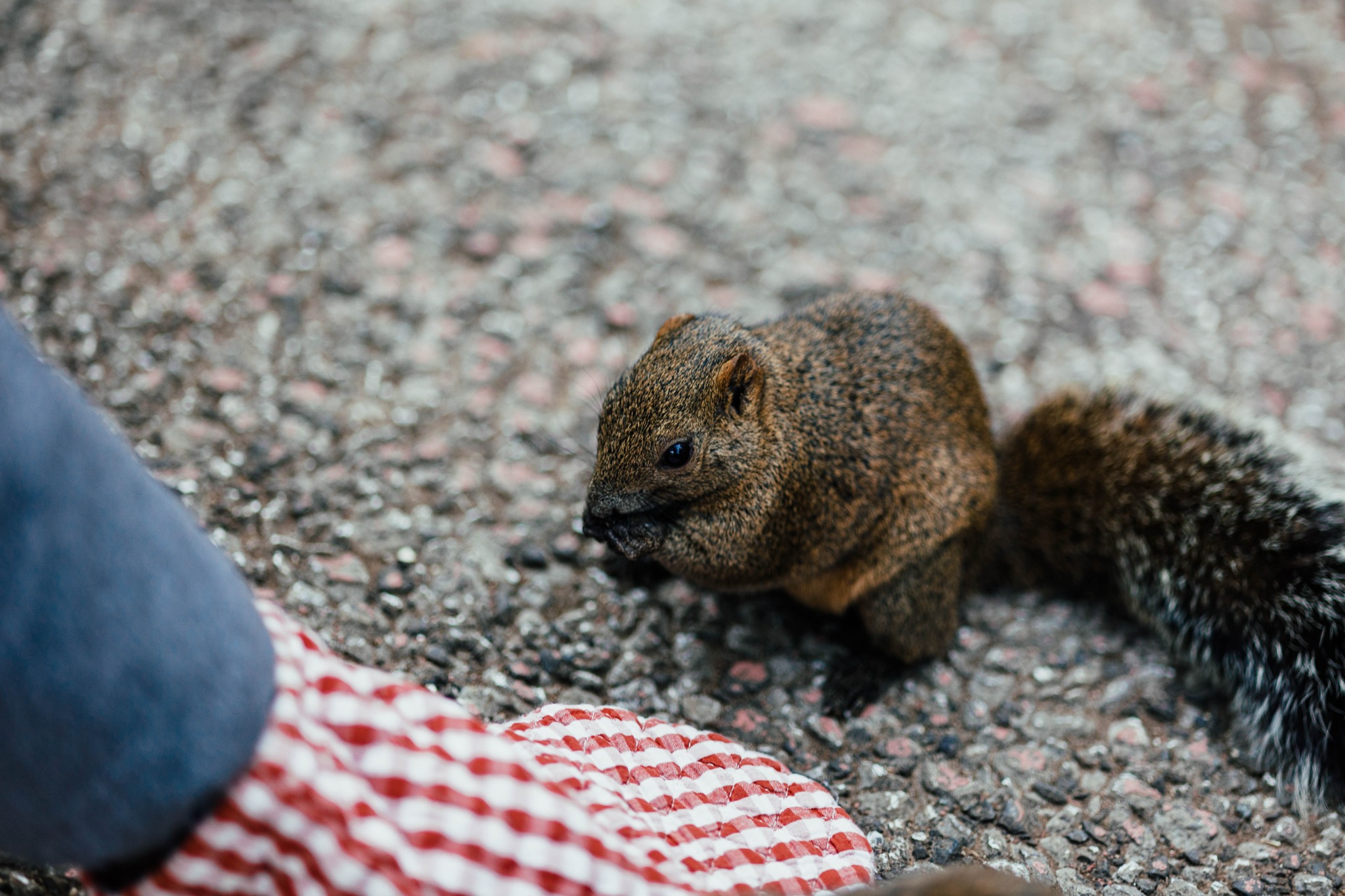
A squirrel sitting on a visitor's sleeve held a sunflower seed between its front paws. It had found both lunch and somewhere to sit. The seating was still attached to a visitor.
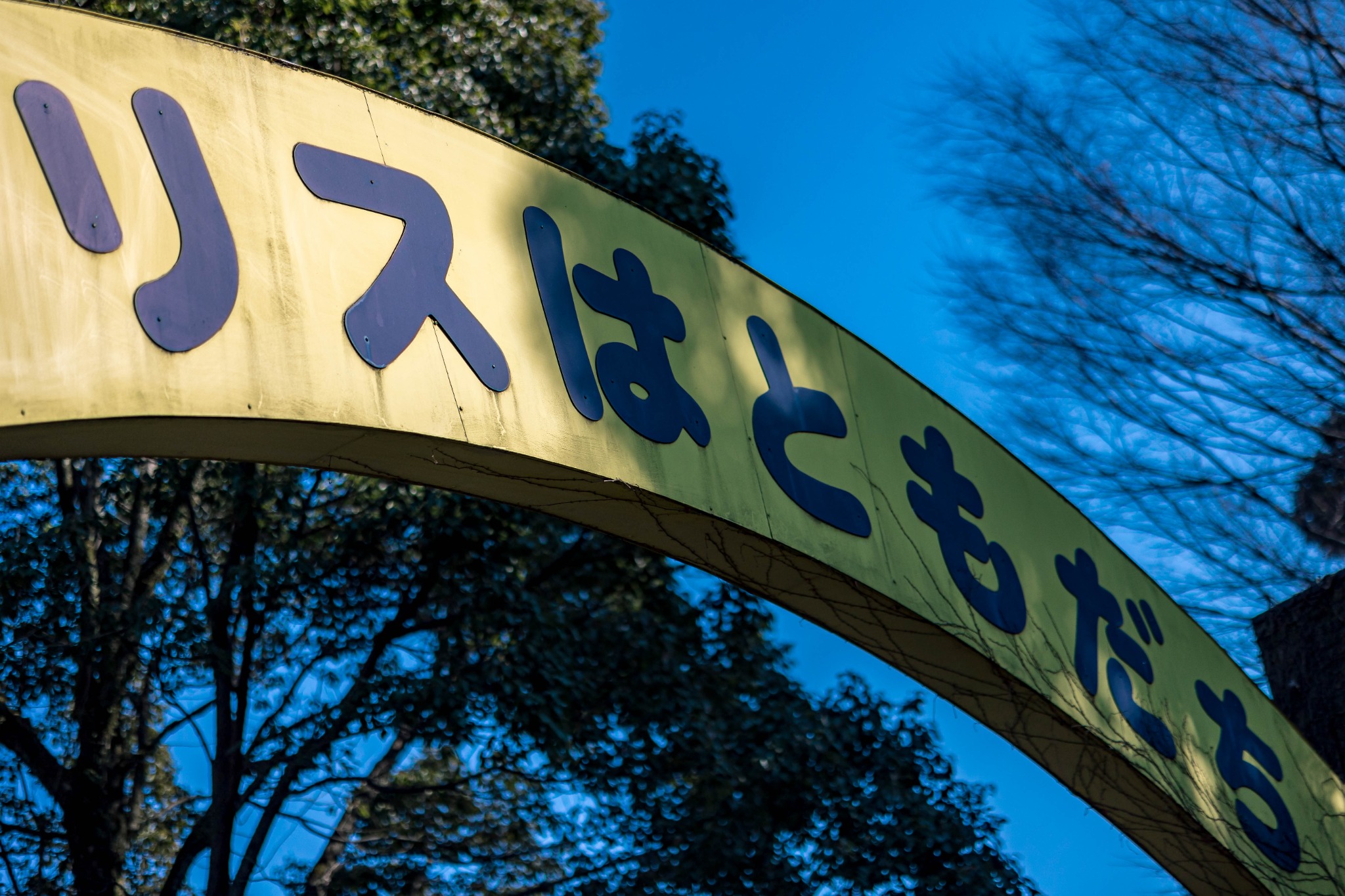
This was Machida Squirrel Garden, in the southwestern part of Tokyo. The yellow arch announced that “Squirrels are friends.”
It made no promises about personal space.
Lunch with company
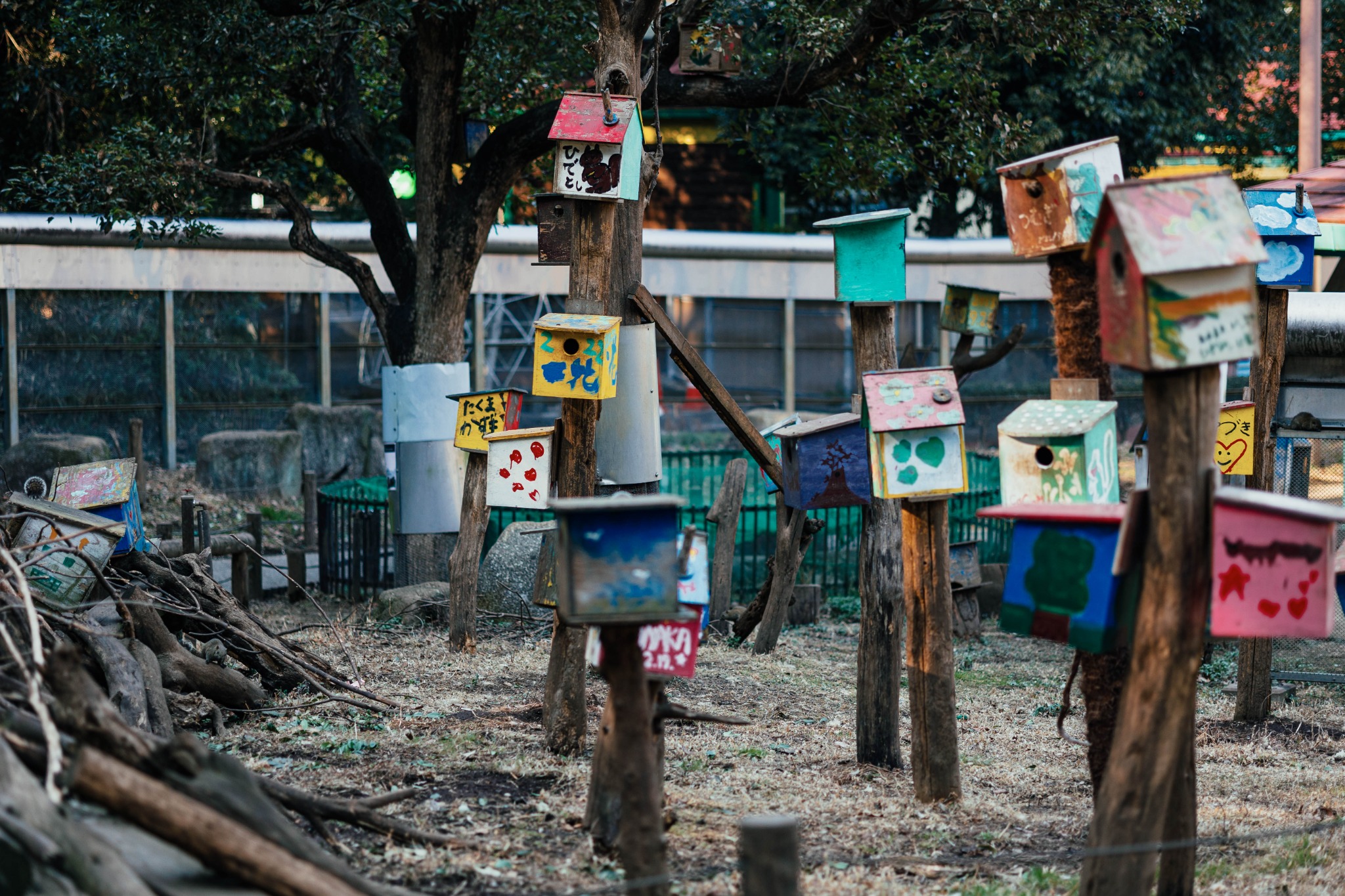
Inside the enclosure, colourful nest boxes stood on wooden posts among branches and logs. Around 200 Taiwan squirrels live here, and visitors can offer them sunflower seeds using a protective mitten.
With food in my hand, I discovered how quickly a squirrel could turn an interest into an arrival. They came at me with enough enthusiasm to be slightly frightening. I liked them very much. I would also have appreciated a little more notice.
Once eating, they looked almost absurdly delicate: tiny paws holding a seed, a rounded body and a great sweep of tail. It was easy to admire the arrangement when it stayed in one place.

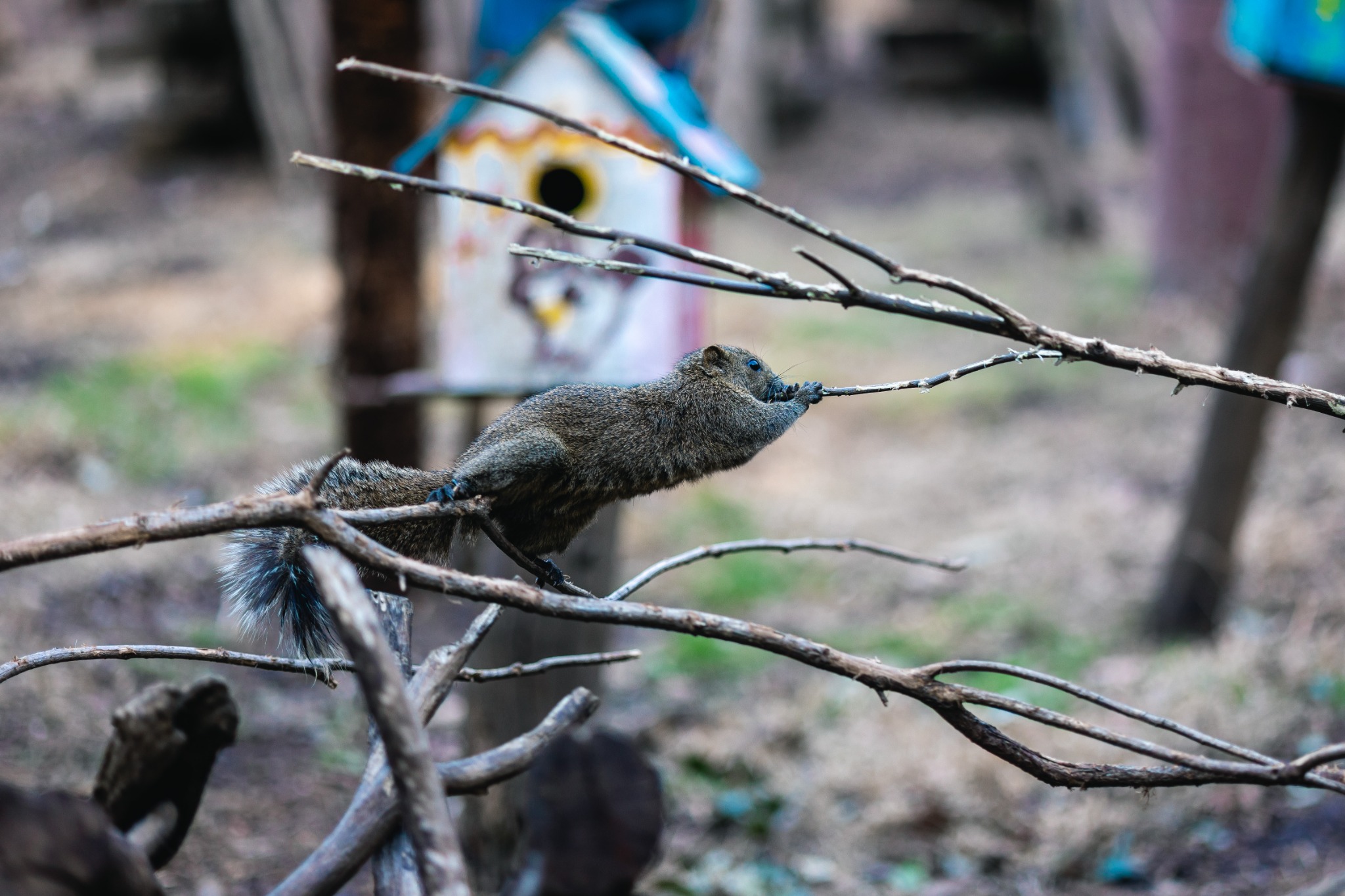
Their agility made more sense when I watched them on the branches. One stretched its body between thin twigs, gripping with its paws. A sleeve offered a rather broader surface.
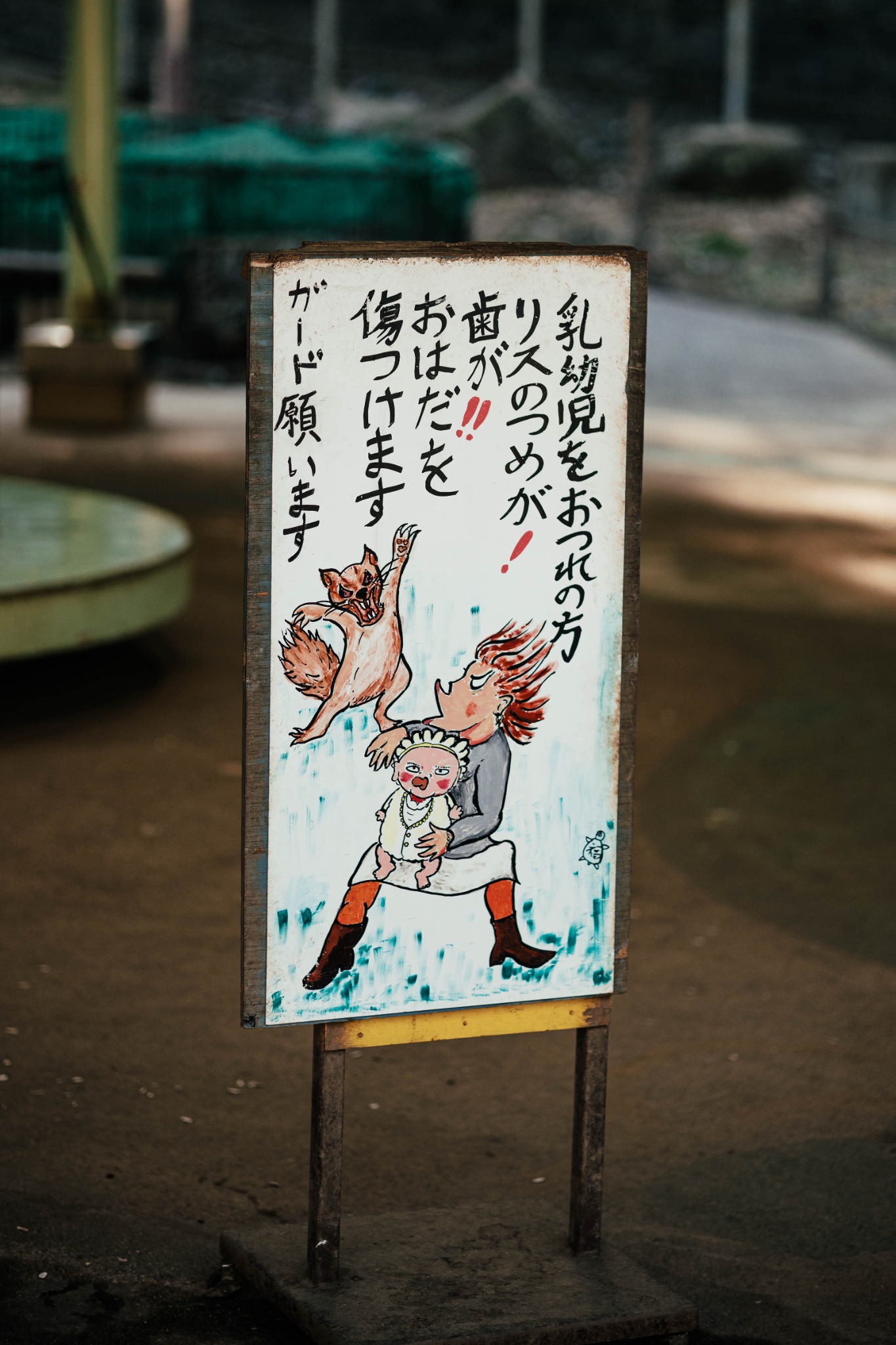
A nearby sign addressed people visiting with infants, warning that squirrels' claws and teeth could injure skin.
Behind the welcome
The food that drew the squirrels towards us was also part of the garden's founding purpose. Machida Squirrel Garden opened in 1988 to create work opportunities for people with disabilities. Preparing and selling the bags of animal feed are among the jobs here. So is opening and closing the doors, so that none of the squirrels get out. A brief encounter over a handful of seeds had a substantial amount of human care behind it.
The arch calls them friends. Japanese law classes them as an invasive alien species, and wild ones have already settled not far from here, around Kamakura and Yokohama.
Away from the feeding mittens, there was more to take in. The squirrels had voices that I found strangely eerie.
The photographs omit both the speed and the soundtrack.
Taiwan squirrels use calls to communicate with one another, including several kinds of warning sound. I could not tell what mine were saying. They certainly did not sound like soft toys.
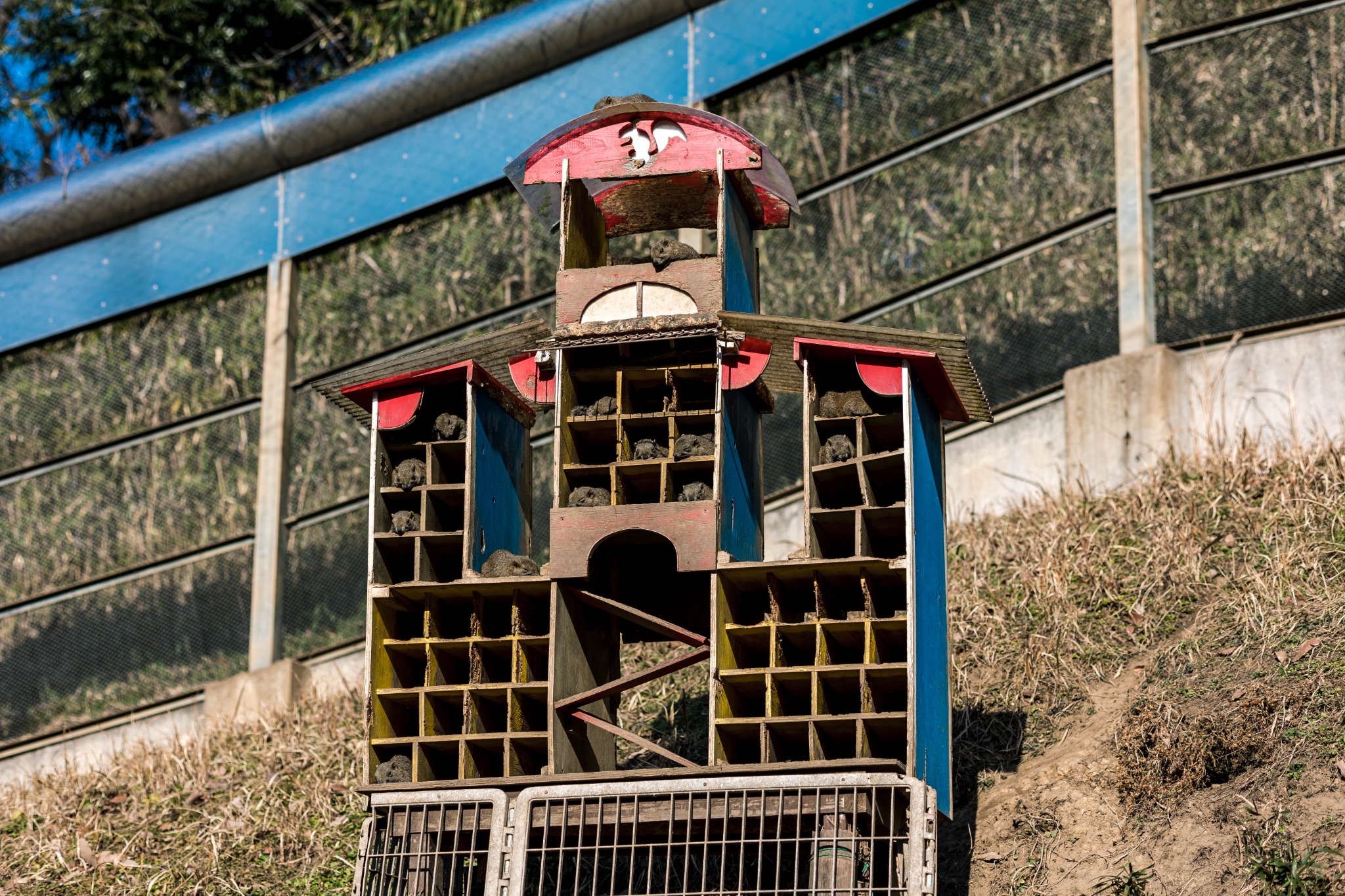
In a tall wooden structure divided into compartments, several squirrels lay curled in their own spaces while others looked out. For all the urgency around the food, there were also residents quite content to remain indoors.
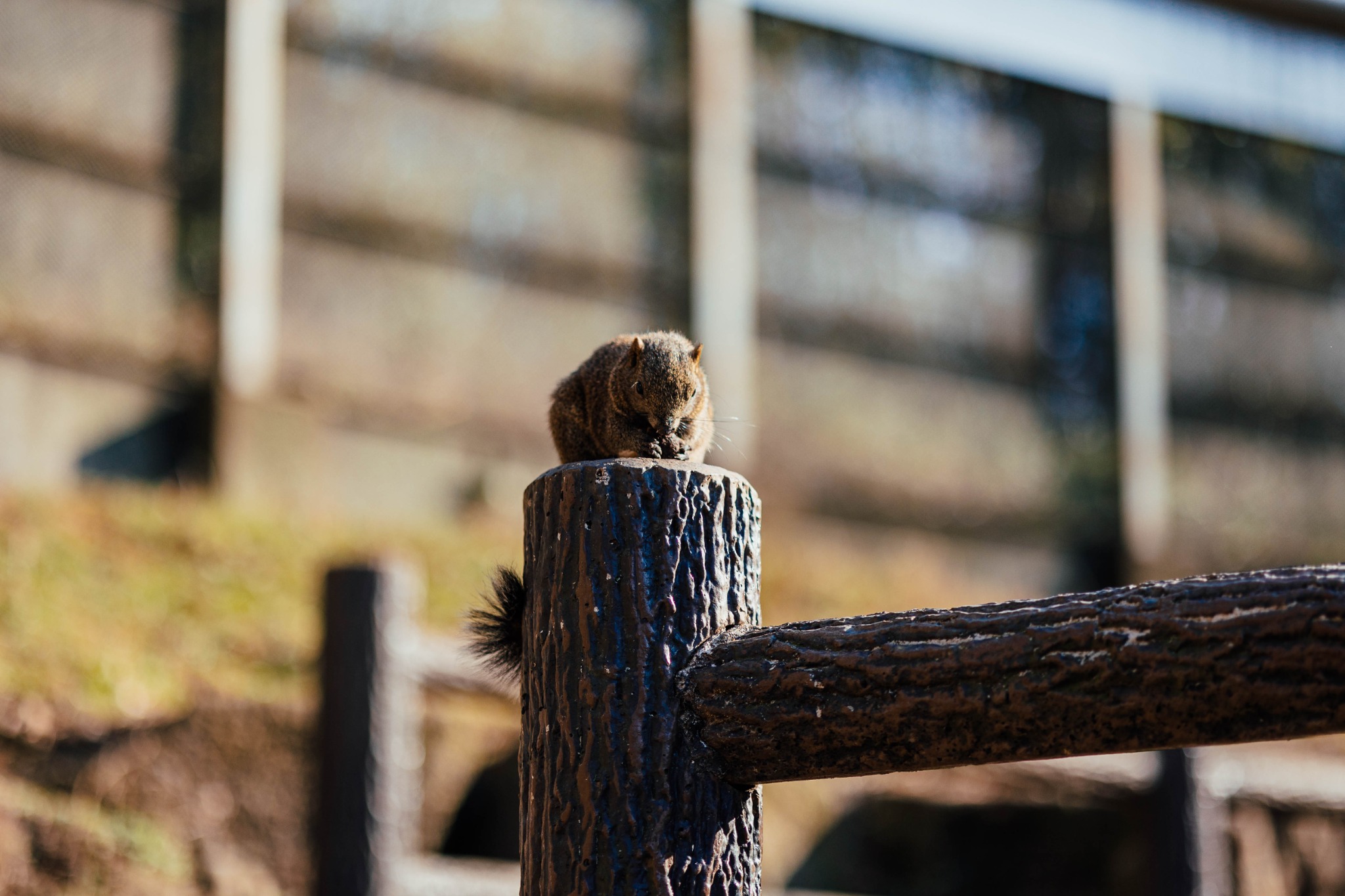
One squirrel had settled on top of a post to eat, its paws drawn up beneath its face. From a little further away, I could appreciate that small, absorbed figure without wondering where it might land.
The arch was right: squirrels were friends. I simply preferred the friendship with a mitten on.
Visit this place
Location
Machida Squirrel Garden (町田リス園)
Beside Yakushi-ike Park in the southwestern part of Tokyo
1-733-1 Yakushidai, Machida, Tokyo 195-0073, Japan
Practical Information
- Opening hours
- 10:00–16:00
Ticket sales end 30 minutes before closing. - Closing days
- Tuesdays; if Tuesday is a public holiday, the garden opens and closes on the following weekday. Also closed for maintenance from the first Tuesday through Friday of June, September and December, and from December 27 to January 2.
- Admission
- Junior high school students and older: ¥500; children aged 3 through elementary school: ¥300
Payment inside the garden is cash only. - Squirrel feed
- ¥100, sold inside the garden
Outside feed is not permitted. - Clothing
- Clothes that may get dirty, with long sleeves and trousers, are recommended.
- Access
- From the north exit of Odakyu Machida Station, take bus 53 or 55 from stop 21 and get off at Yakushi-ike (薬師池). The ride takes about 20 minutes.
- Parking
- There is no dedicated car park. Visitors may use the adjacent Yakushi-ike Park parking.
- Official website
- Machida Squirrel Garden
Information last checked: September 25, 2026 (admission categories and prices).
Hours, closures, prices and animal activities may change. Check the official schedule before visiting.
Conversation
Comments
Review pending commentsComments are reviewed before appearing. The internet already contains enough unattended surprises.
Checking comments…
Comments are not available in this migration preview yet. Existing comments remain on the current site.
Leave a comment