Katase Catholic Church: The Church That Looks Like a Temple
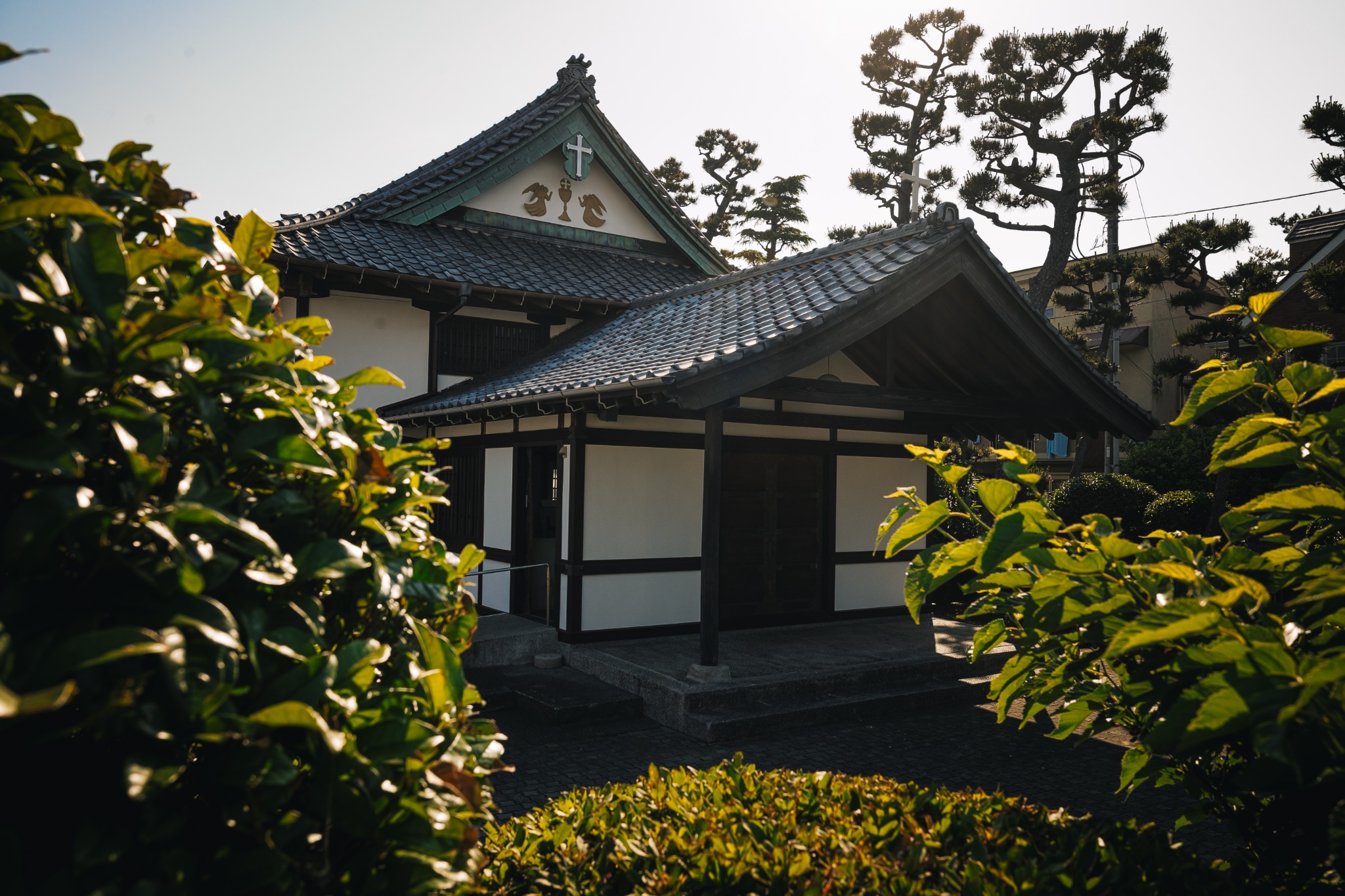
The tiled roof suggested a temple. The cross beneath it had a different affiliation.
At Katase Catholic Church, near Enoshima in Fujisawa, south of Tokyo, broad eaves shelter white plaster walls and dark timber. The cross is easy enough to spot once you look up. It is the rest of the building that makes you look twice.
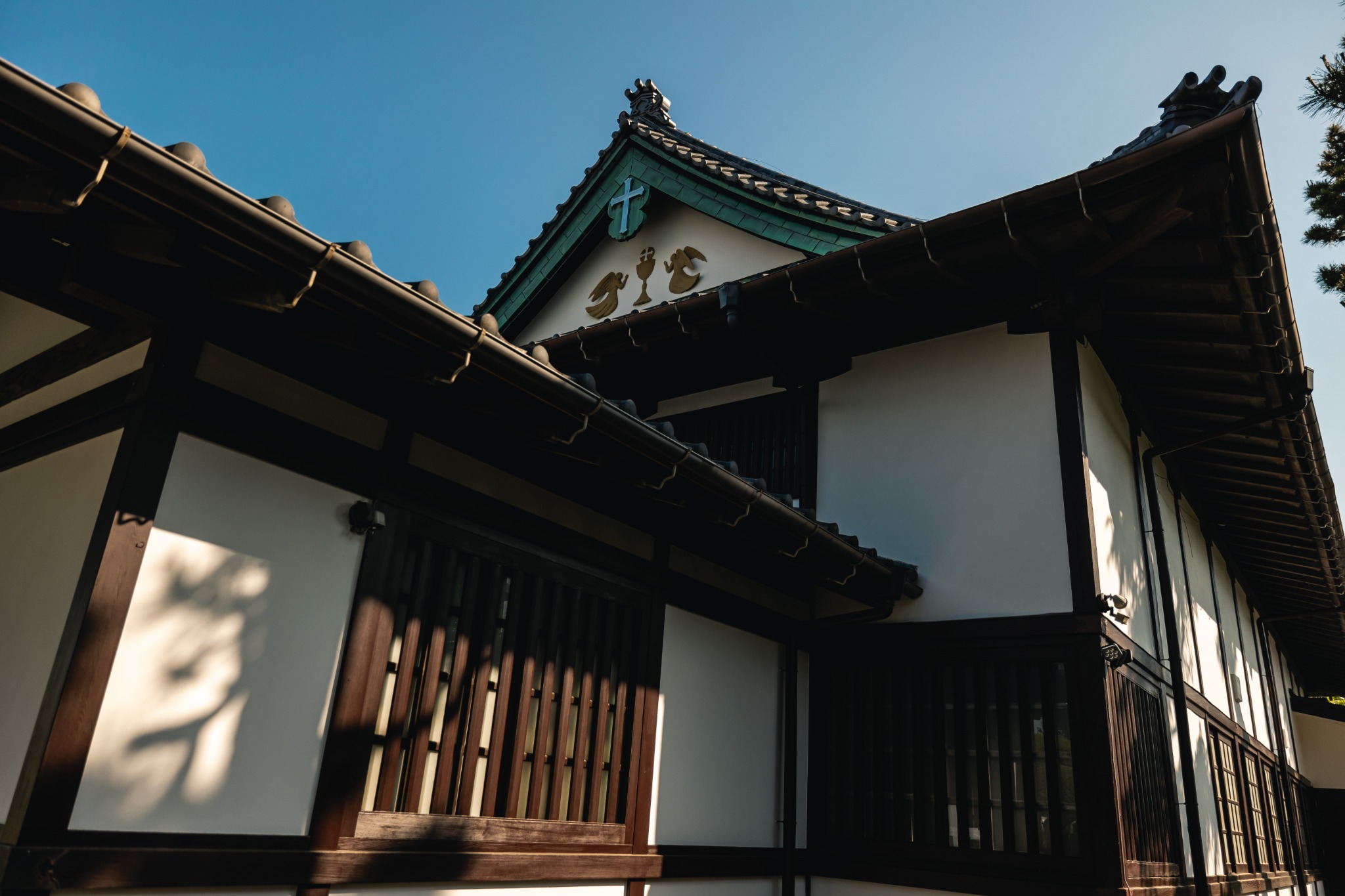
A place for the Holy Family
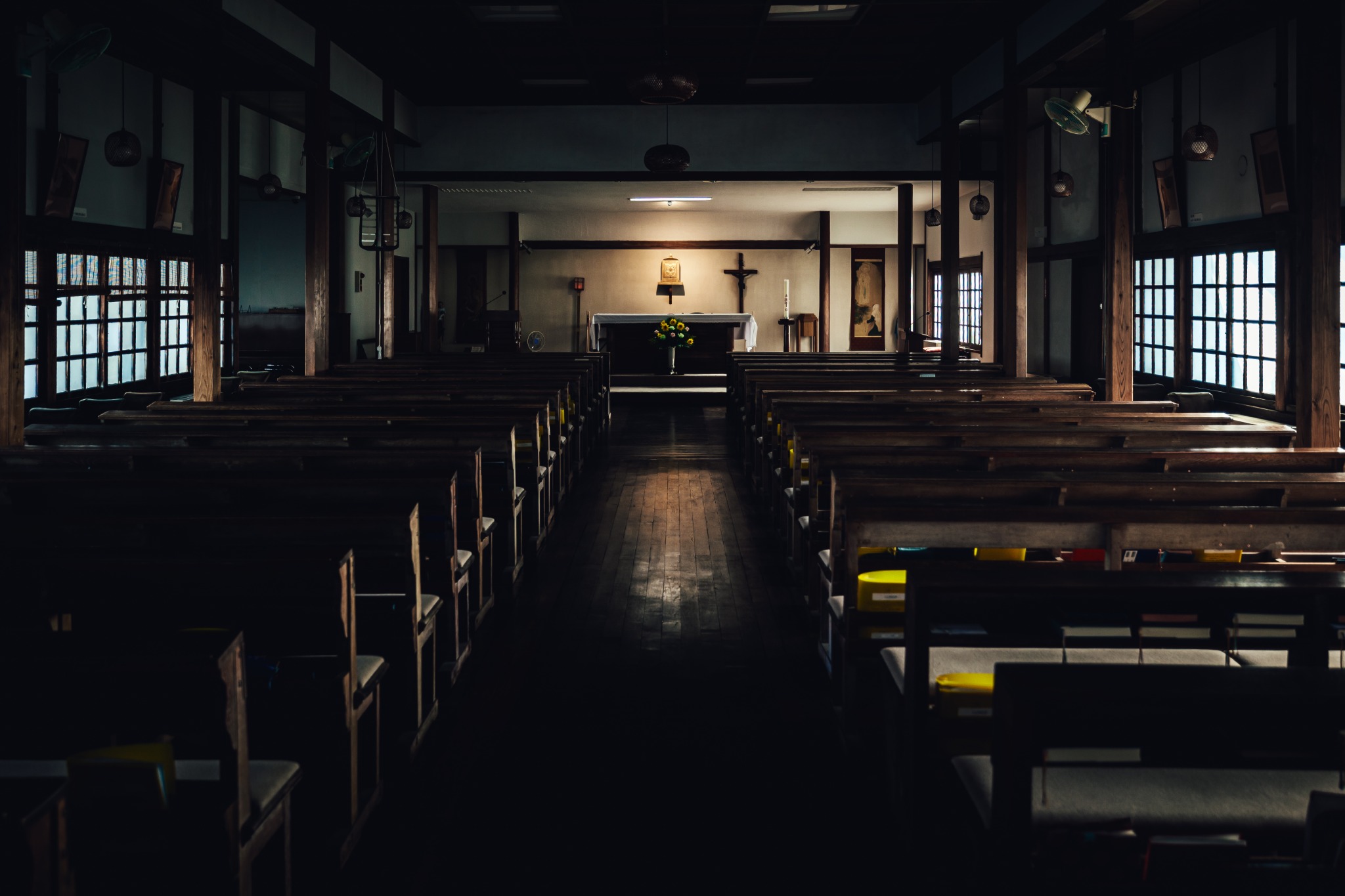
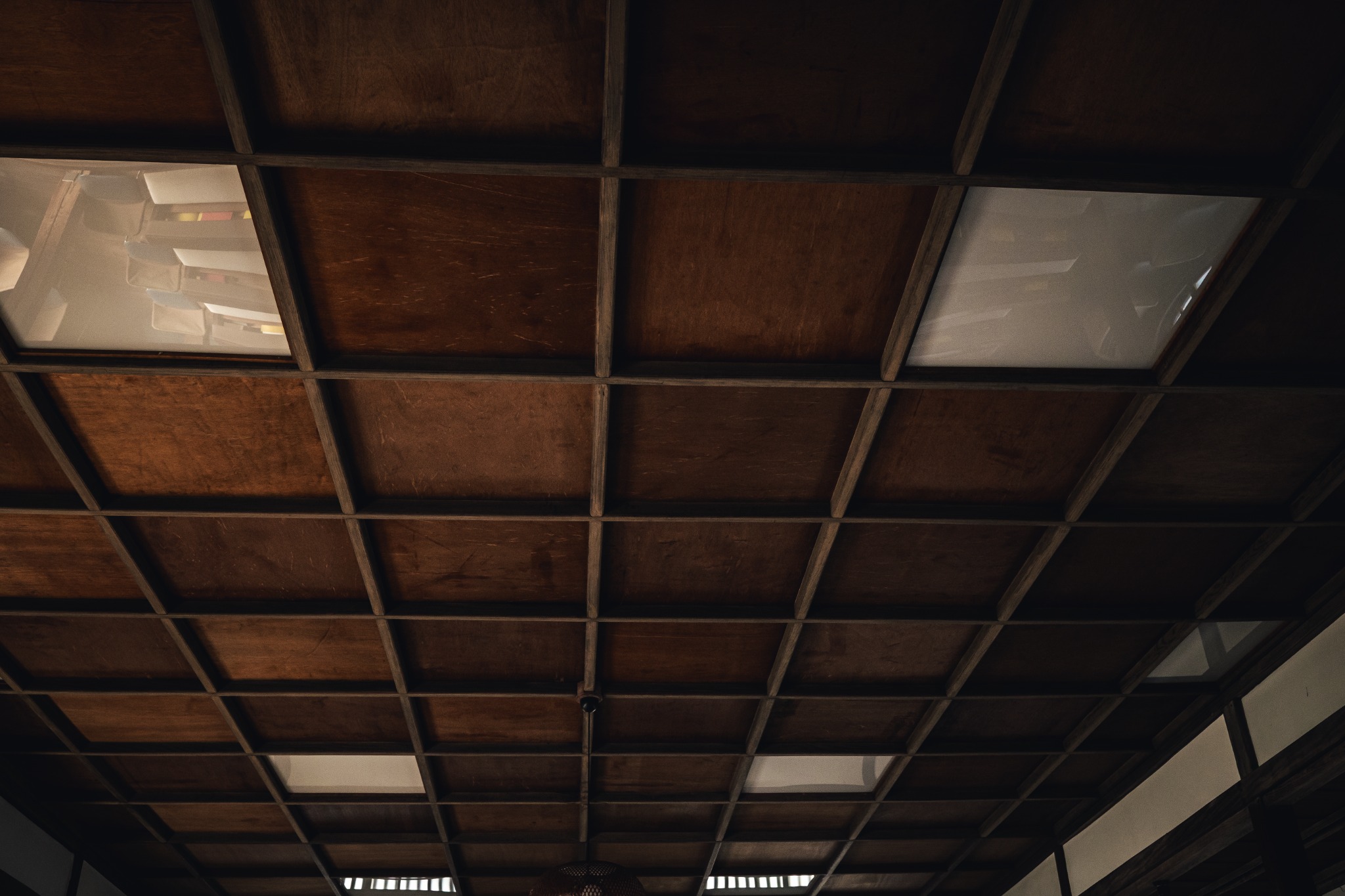
Wooden pews face an altar and crucifix. Soft light comes through frosted lattice windows, falling across the floor beneath a deep wooden ceiling.
Then there are the alcoves beside the altar. These are tokonoma, recessed spaces traditionally used to display a hanging scroll, flowers or a treasured object in a Japanese room. Here, they accommodate Christian paintings. The Holy Family has been given a very Japanese place of honour.
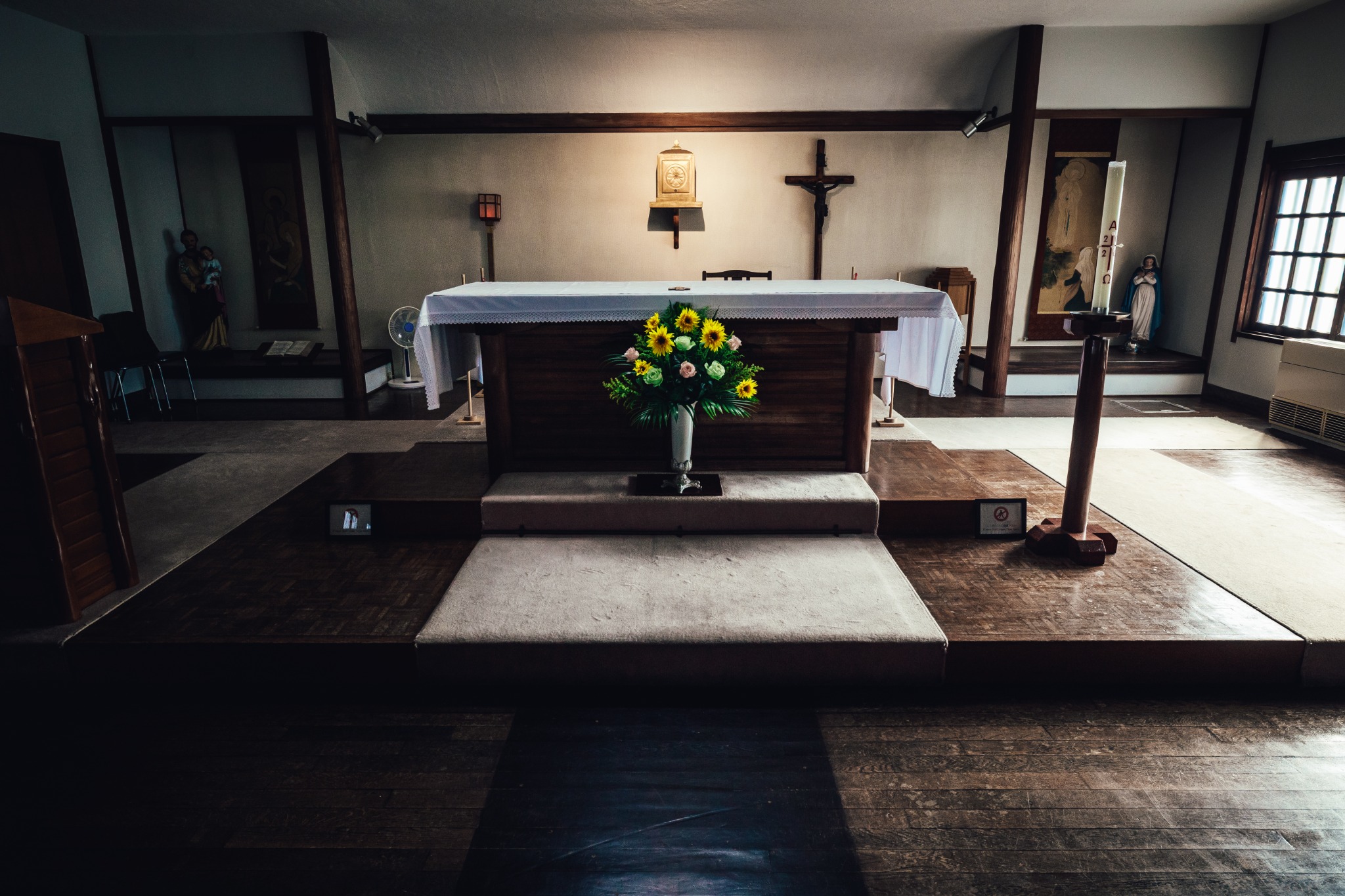
Christian paintings, Japanese hanging scrolls
The scrolls are by Hasegawa Roka, a Catholic artist who worked in both Japanese painting and European fresco. In these narrow vertical compositions, Christian figures occupy the kind of space where you might expect a landscape or a passage of calligraphy.
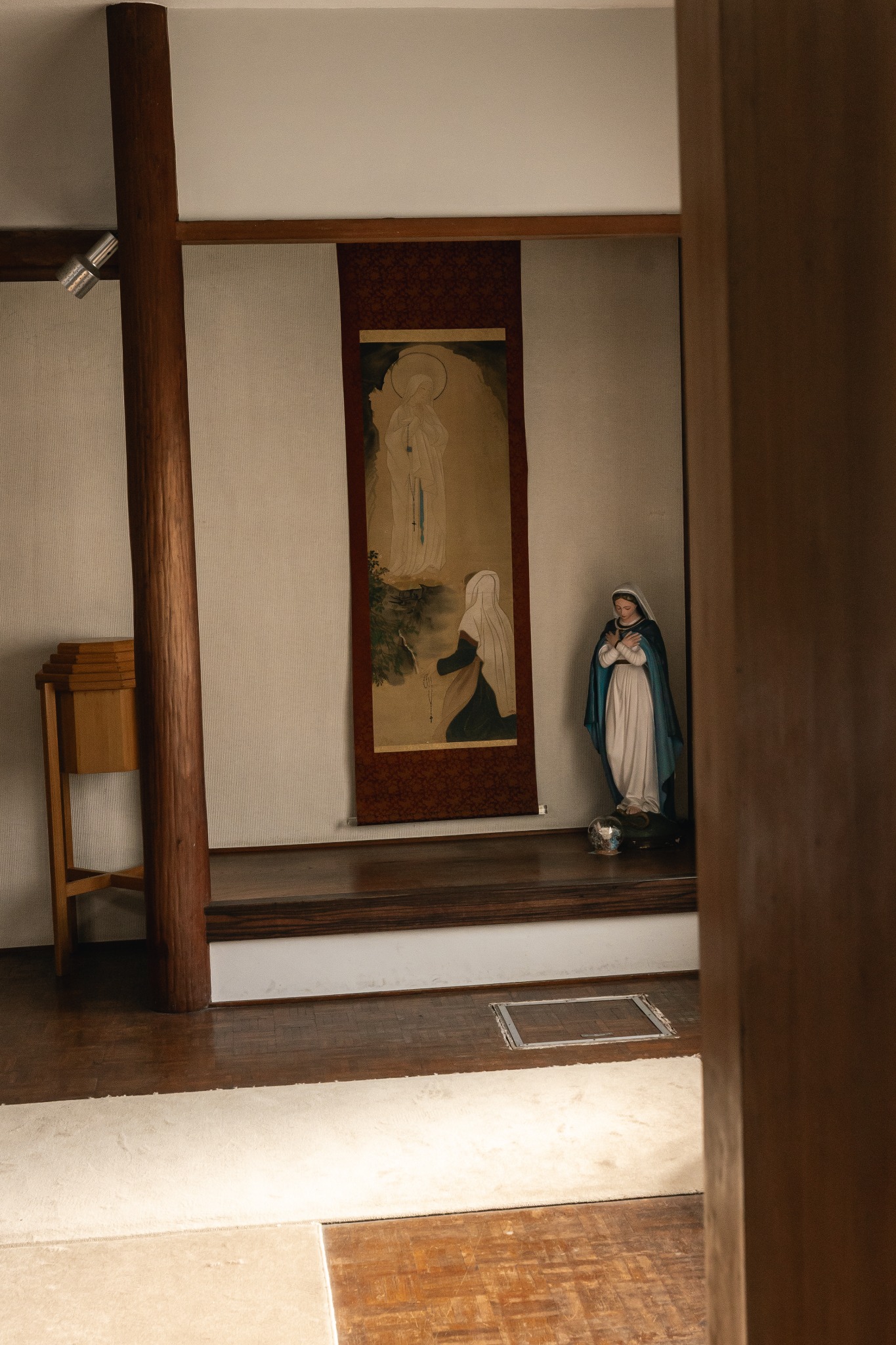
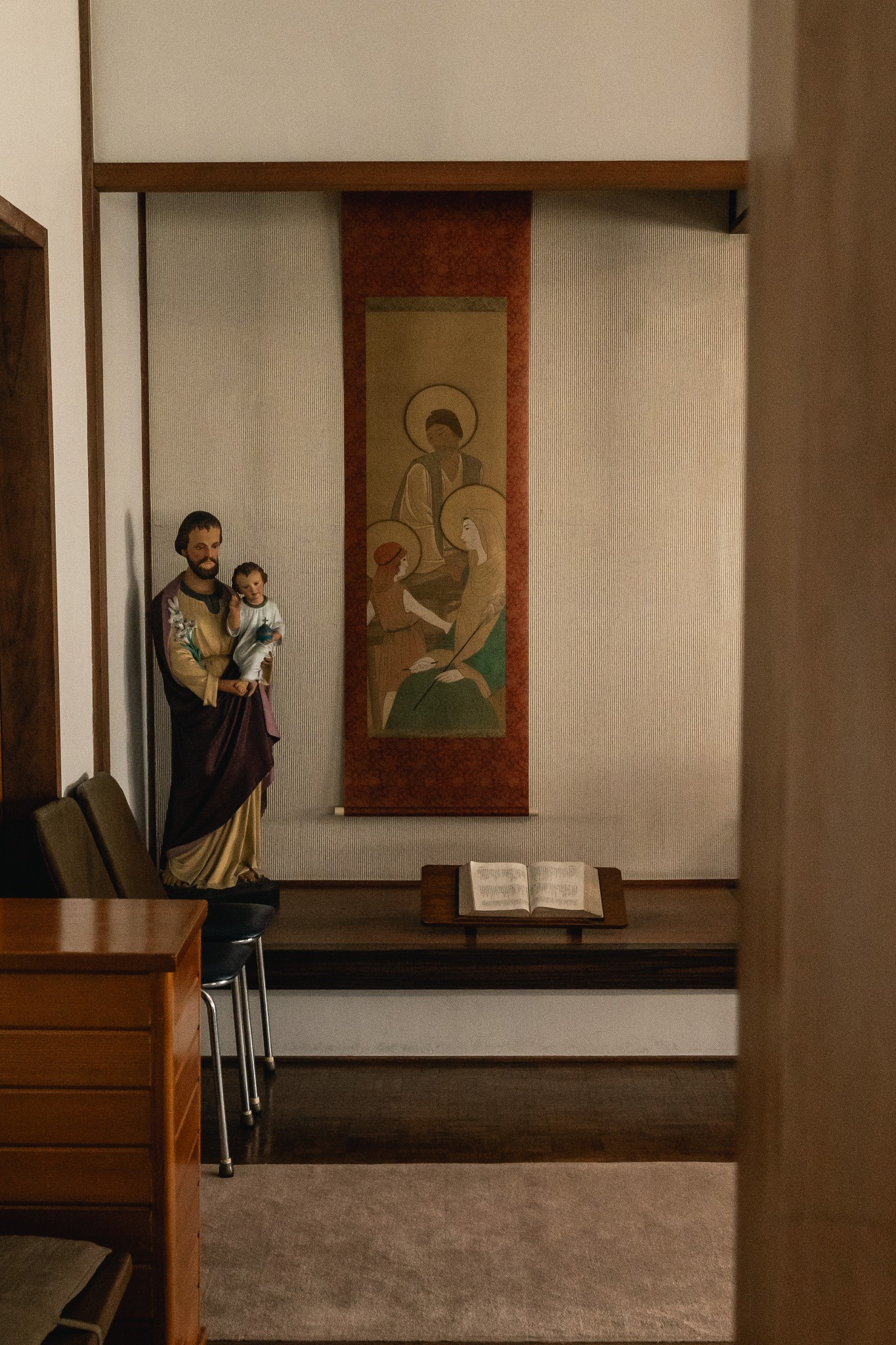
Roka’s work appears elsewhere in the church as well. Fourteen paintings depicting the Stations of the Cross line the walls, and above the entrance is his scene of St Francis Xavier preaching in Japan.
The paintings look perfectly at home in their alcoves. It is my expectations that need a little rearranging.
It began with a trip to the beach
This was a deliberate choice. When the church was built in 1939, Archbishop Chambon wanted a building that would sit naturally among the temples and shrines of the wider Kamakura area.
The year mattered too. Japan was at war with China, and one local guide notes that the temple-like design took account of residents’ wariness towards foreign culture.
The community behind it had a less architectural beginning.
During the Meiji period, a Marianist priest visiting Katase for sea bathing met a local landowner, Yamamoto Shōtarō. That connection led Shōtarō’s son, Shinjirō, to a Catholic school and eventually to baptism. Shinjirō became a naval officer. For his part in resolving diplomatic problems between the Holy See and Japan, he later received special permission to establish a chapel in his home.
The congregation that gathered there grew, moving through temporary arrangements before the present church was dedicated on March 19, 1939, the feast of St Joseph.
Even the Madonna knows the coast
Yamamoto Shinjirō also commissioned the image known as the Madonna of the Morning Star, a copy of which hangs in the church.
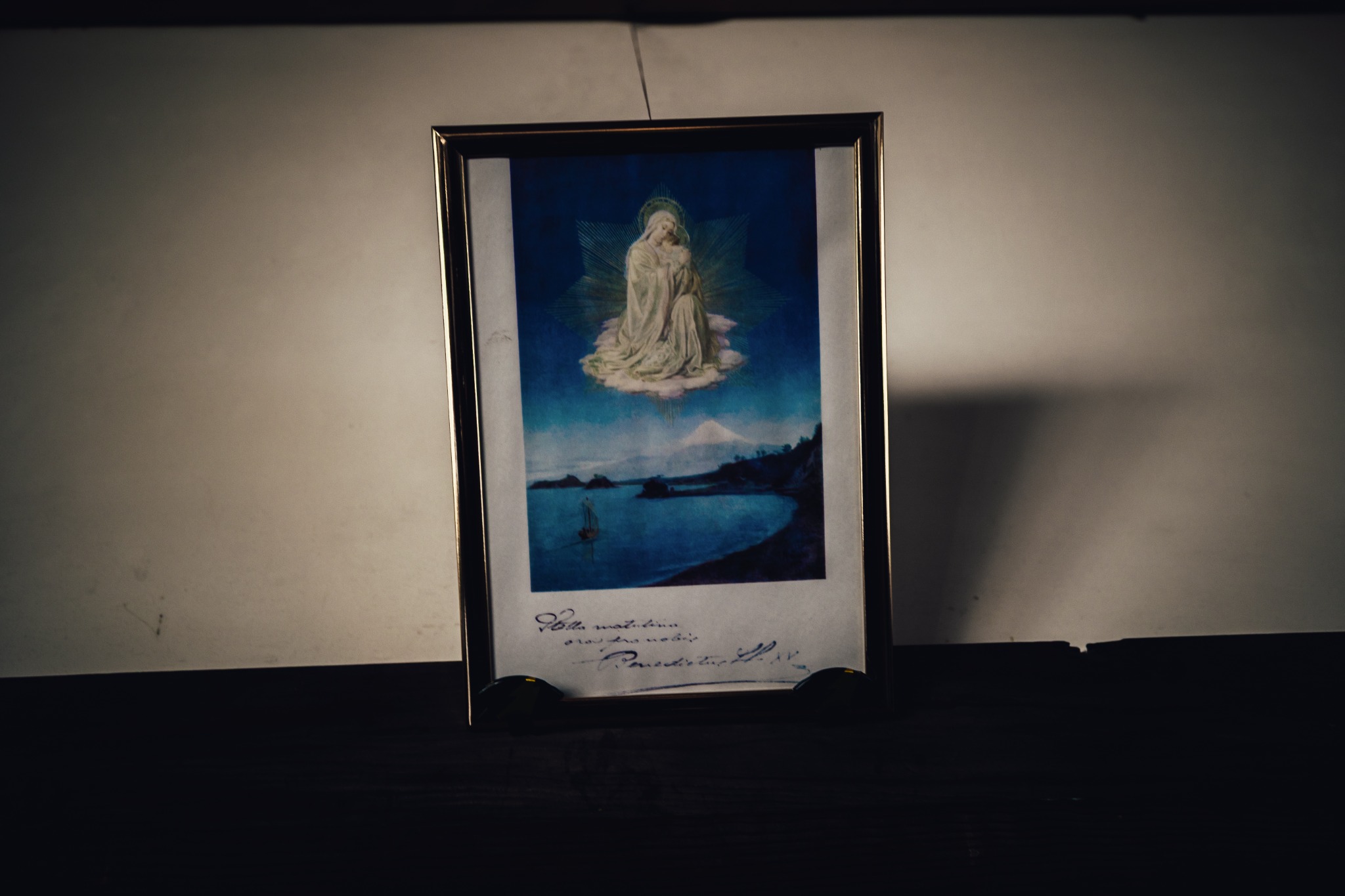
At first, the Virgin and Child draw your attention. Then the landscape below them becomes clear: a Japanese coastline, with Mount Fuji in the distance.
The copy also bears the signature of Pope Benedict XV. Yamamoto had made room for the Church in his home; in this painting, he made room for his homeland beneath the Madonna.
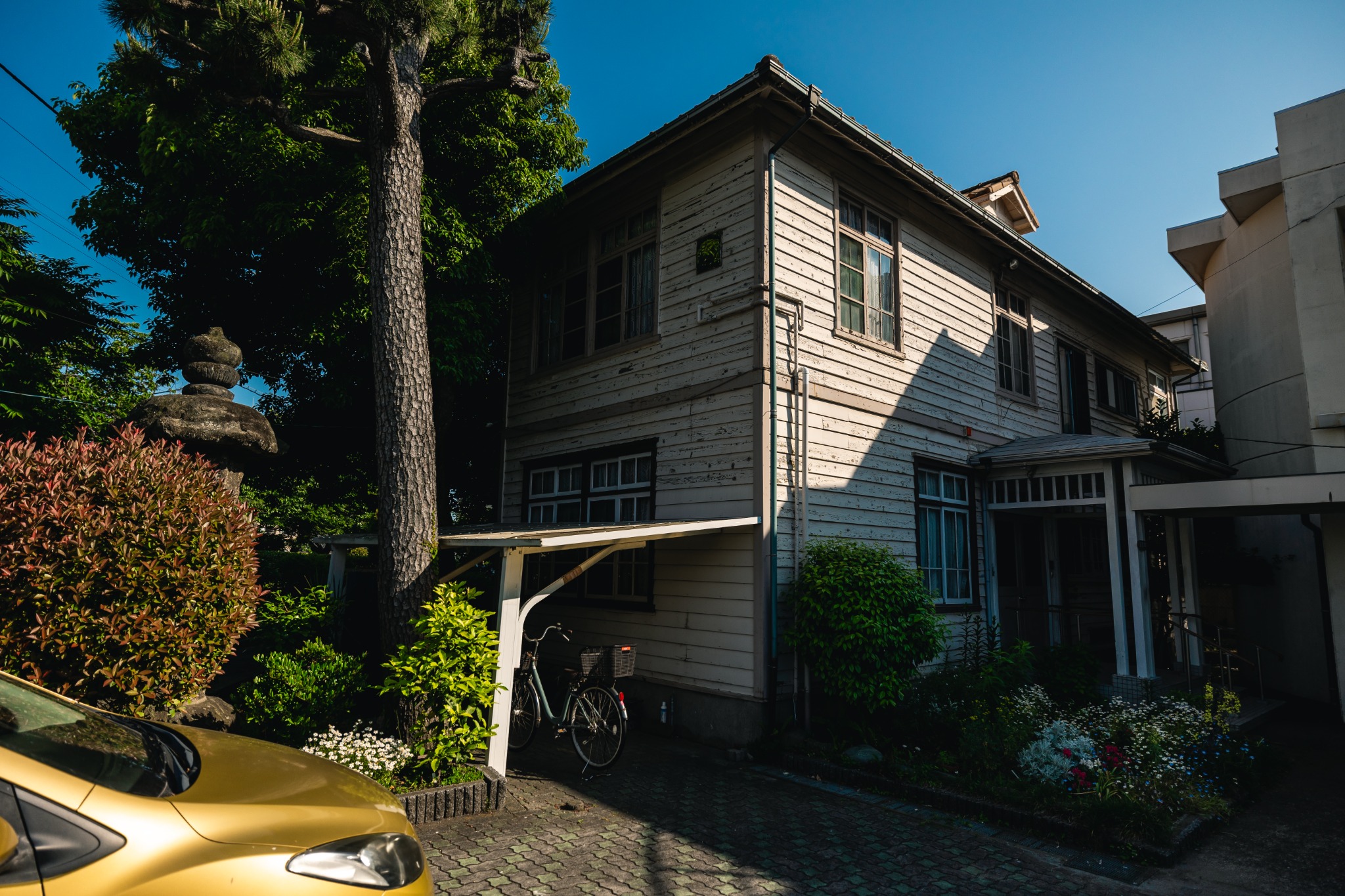
By the time you leave, the question of whether this place looks more like a church or a temple no longer feels particularly important. It simply looks like it belongs here. In 2010, the city of Fujisawa gave it a landscape award.
A smaller consequence of visiting the coast
The sea that brought the priest to Katase remains a good reason to spend more time in the area. At Kinokuniya Shokudo, near Katase-Enoshima Station, it also makes a persuasive appearance in a bowl.
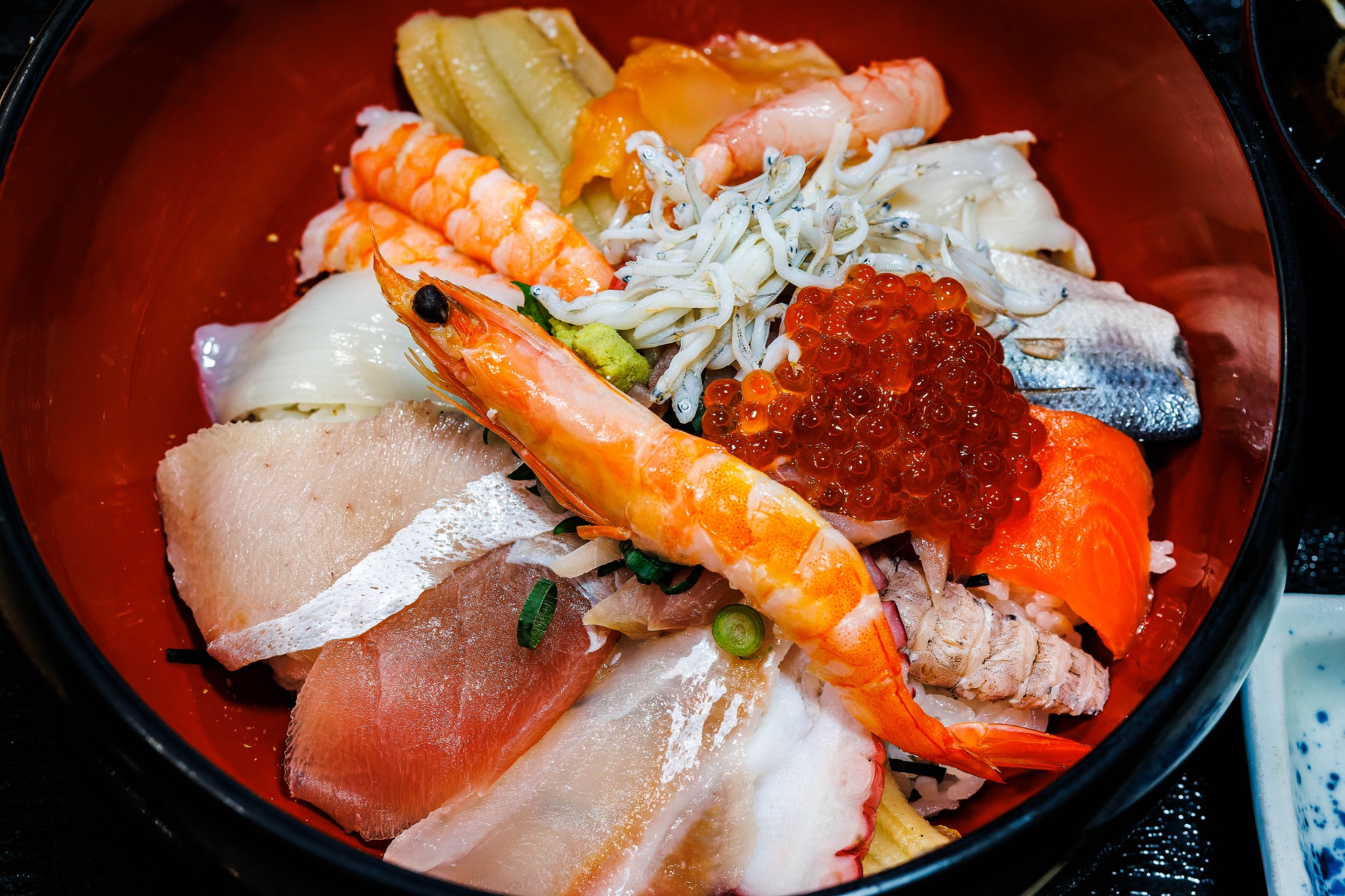
Sashimi, roe and shirasu — the tiny white fish associated with this coast — make a colourful case for staying to eat.
A trip to the seaside does not have to result in a new parish.
A good seafood bowl is a perfectly respectable achievement.
Visit this place
Location
Katase Catholic Church (カトリック片瀬教会)
Katase, Fujisawa — close to Enoshima and the Shonan coast, and easy to combine with Kamakura
2-2-35 Katase Kaigan, Fujisawa, Kanagawa 251-0035, Japan
Practical Information
- Area
- Katase, Fujisawa, Kanagawa — close to Enoshima and the Shonan coast, and easy to combine with Kamakura
- Opening hours
- Monday–Saturday 10:00–16:00; Sunday 9:00–16:00
- Access
- About 5 minutes on foot from Katase-Enoshima Station (Odakyu), or about 7 minutes from Enoshima Station (Enoden) and Shonan-Enoshima Station (Shonan Monorail)
- Mass
- Sunday at 8:00 and 10:00; Friday at 9:30
Check the official website for current schedules before visiting. - Visiting
- Visitors are welcome. This is an active place of worship, so keep quiet inside and avoid disturbing Mass, prayer or church activities.
- Good to combine with
- Enoshima, the Shonan coast and Kamakura
- Official website
- Katase Catholic Church
Information last checked: August 27, 2026
Conversation
Comments
Review pending commentsComments are reviewed before appearing. The internet already contains enough unattended surprises.
Checking comments…
Comments are not available in this migration preview yet. Existing comments remain on the current site.
Leave a comment