Mushizuka: Where Insects Get Some Respect
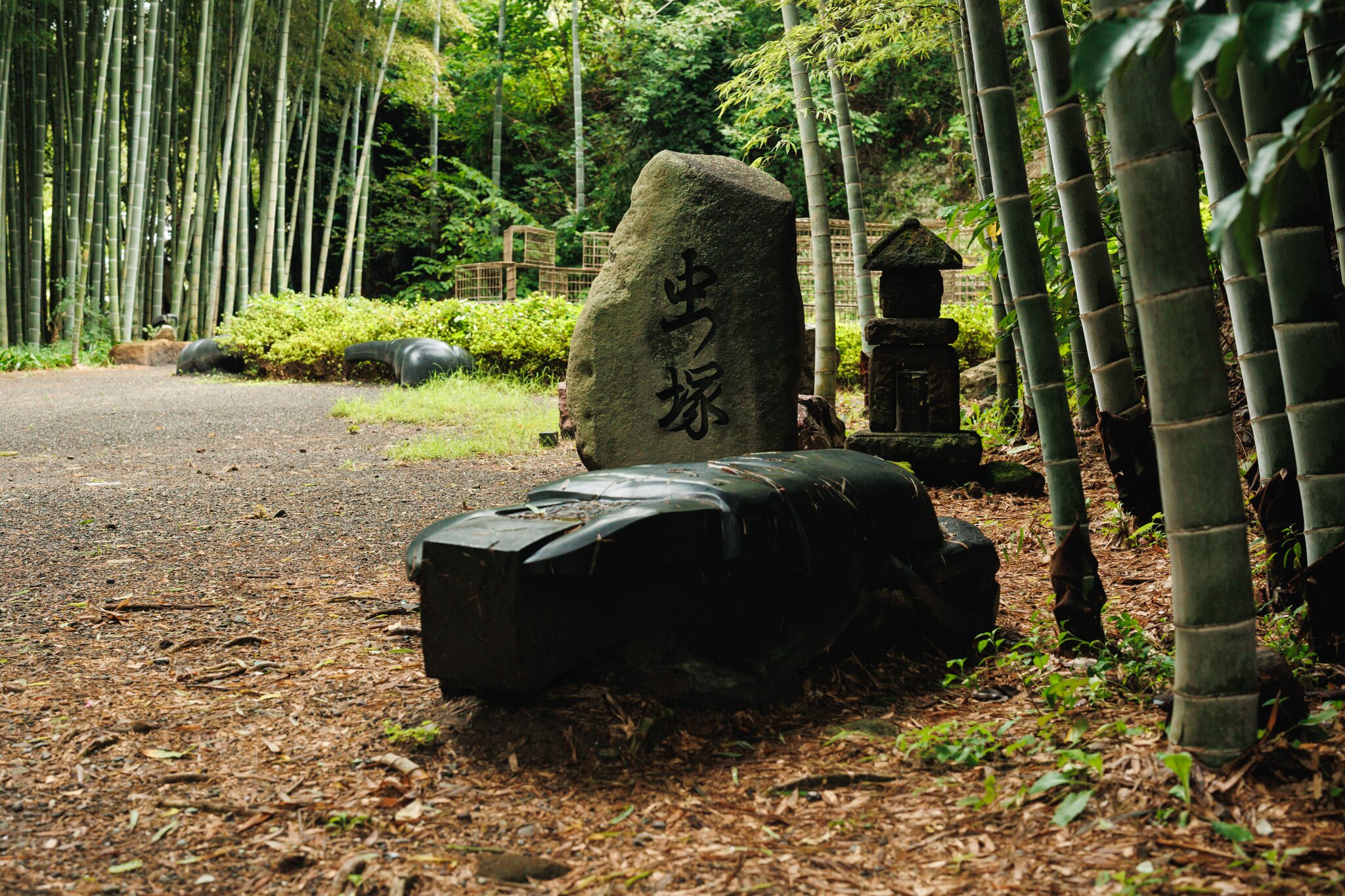
At Kenchōji, the insects have been put on a pedestal. Several, in fact.
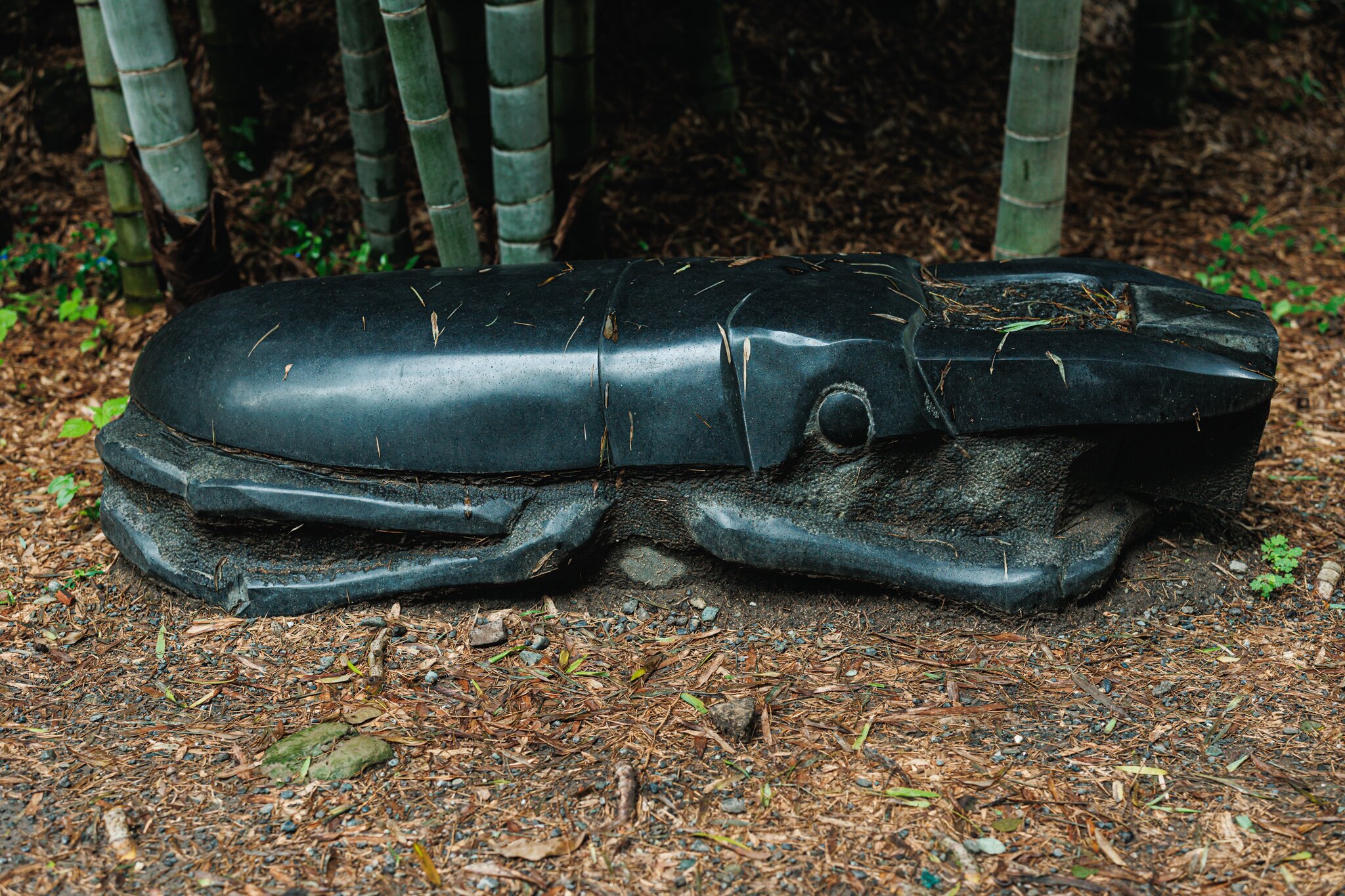
In a bamboo-lined corner of this Zen temple in Kamakura, a stone stag beetle rested beside a tall slab bearing the characters 虫塚: Mushizuka, an insect memorial. With its broad jaws and glossy black back, the sculpture was far too large to disappear into the leaf litter. A few fallen bamboo leaves lay across it. The sculpture was receiving the same treatment from the trees as everything else.
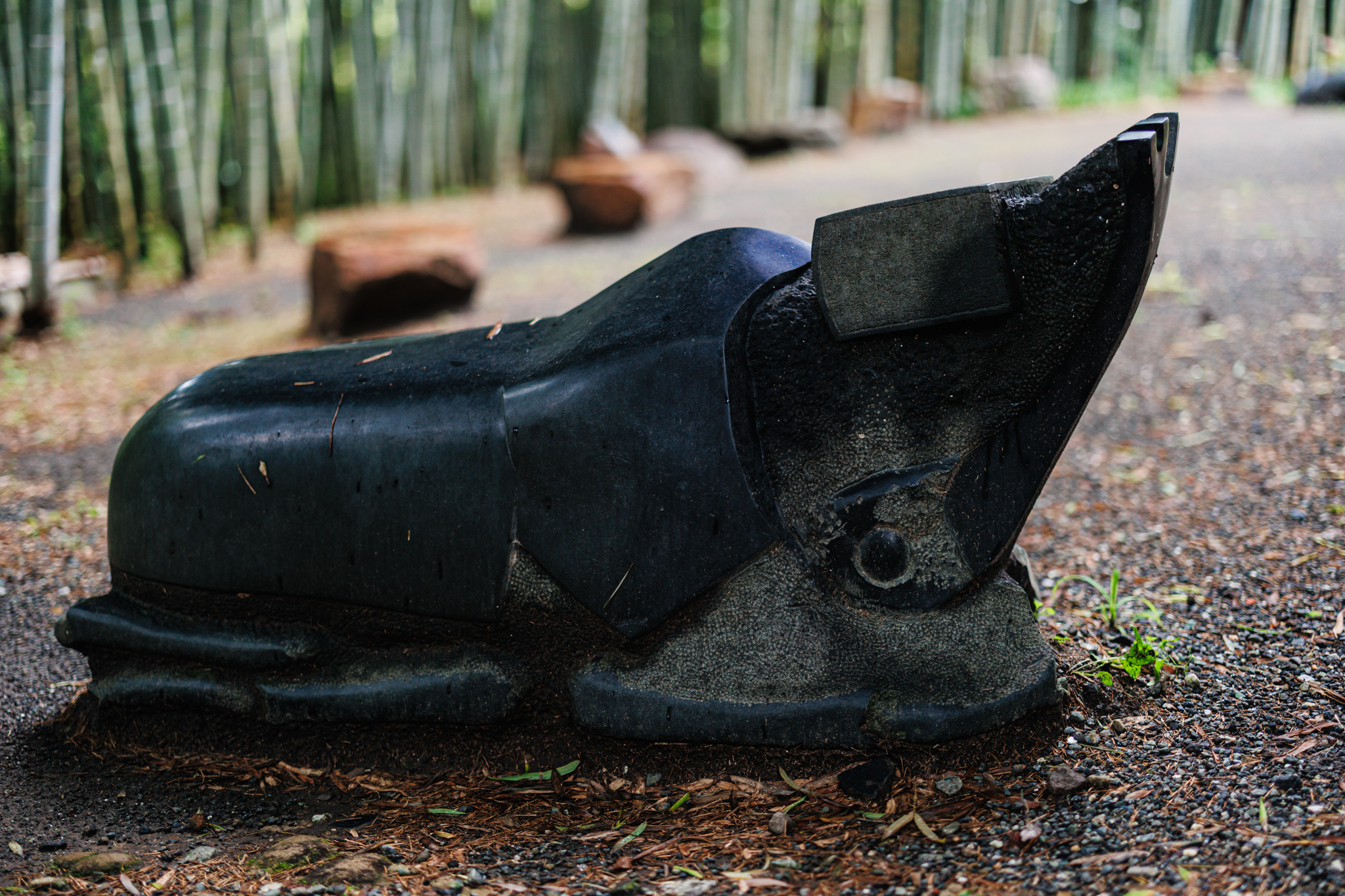
Between its jaws, the stag beetle gripped a box. Facing it was a stone rhinoceros beetle with a book on its head, propped against its horn.
Larger than life
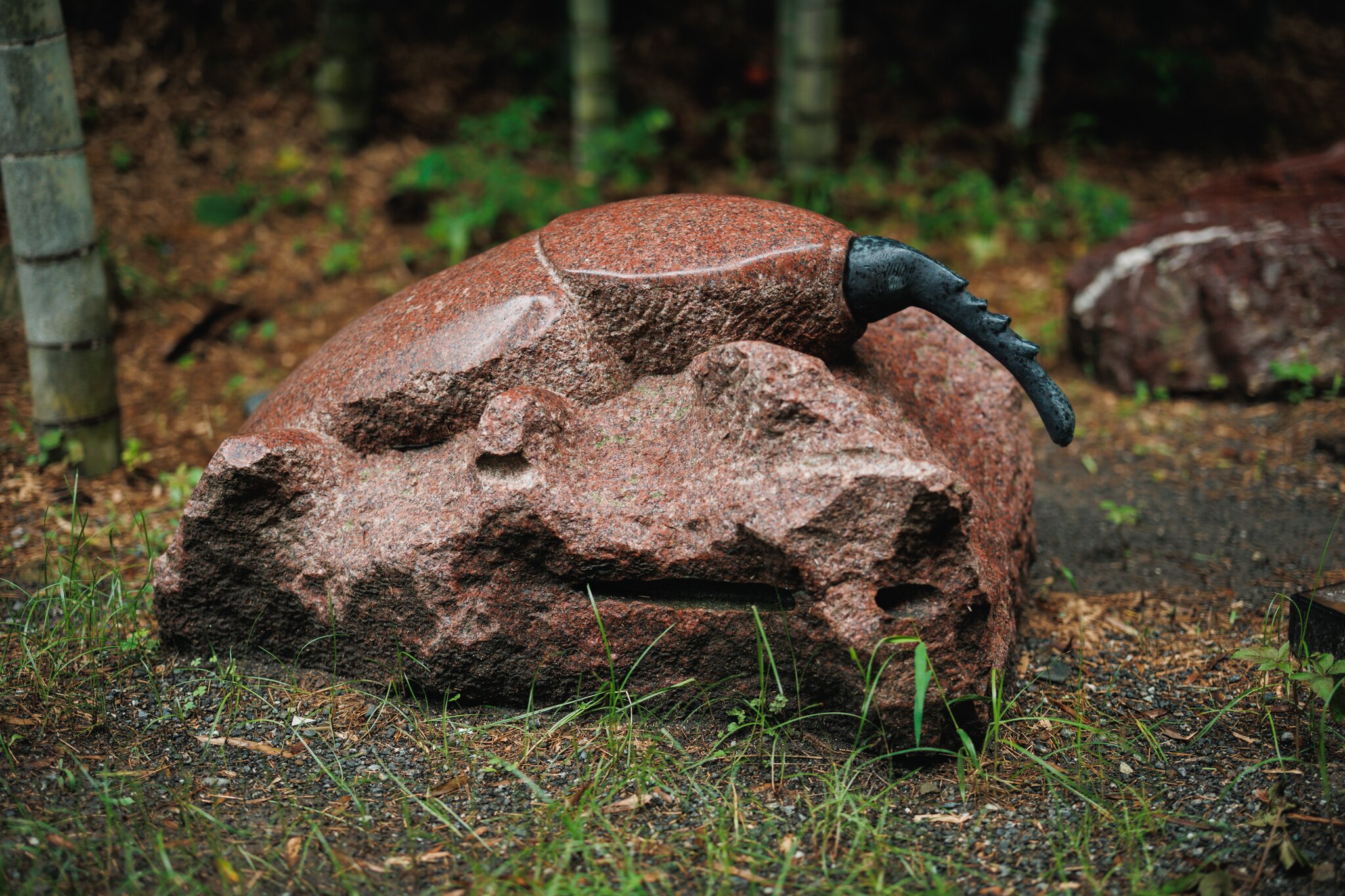
Further along, a reddish insect extended a long, curved snout over its stone base. Polished surfaces defined its back, while the rougher stone below seemed to hold the rest of the body in place. Each sculpture offered a different solution to the business of being an insect: broad jaws here, an extravagant snout there.
At this scale, being made of stone was a reassuring quality in a beetle.
Even the stone beneath them had been considered. The sculptor responsible for the surrounding works chose Tsuruse stone from Yamanashi to suit both the sculptures and the temple grounds. They were being given the sort of setting normally reserved for subjects with rather fewer legs.
A reason for the pedestals
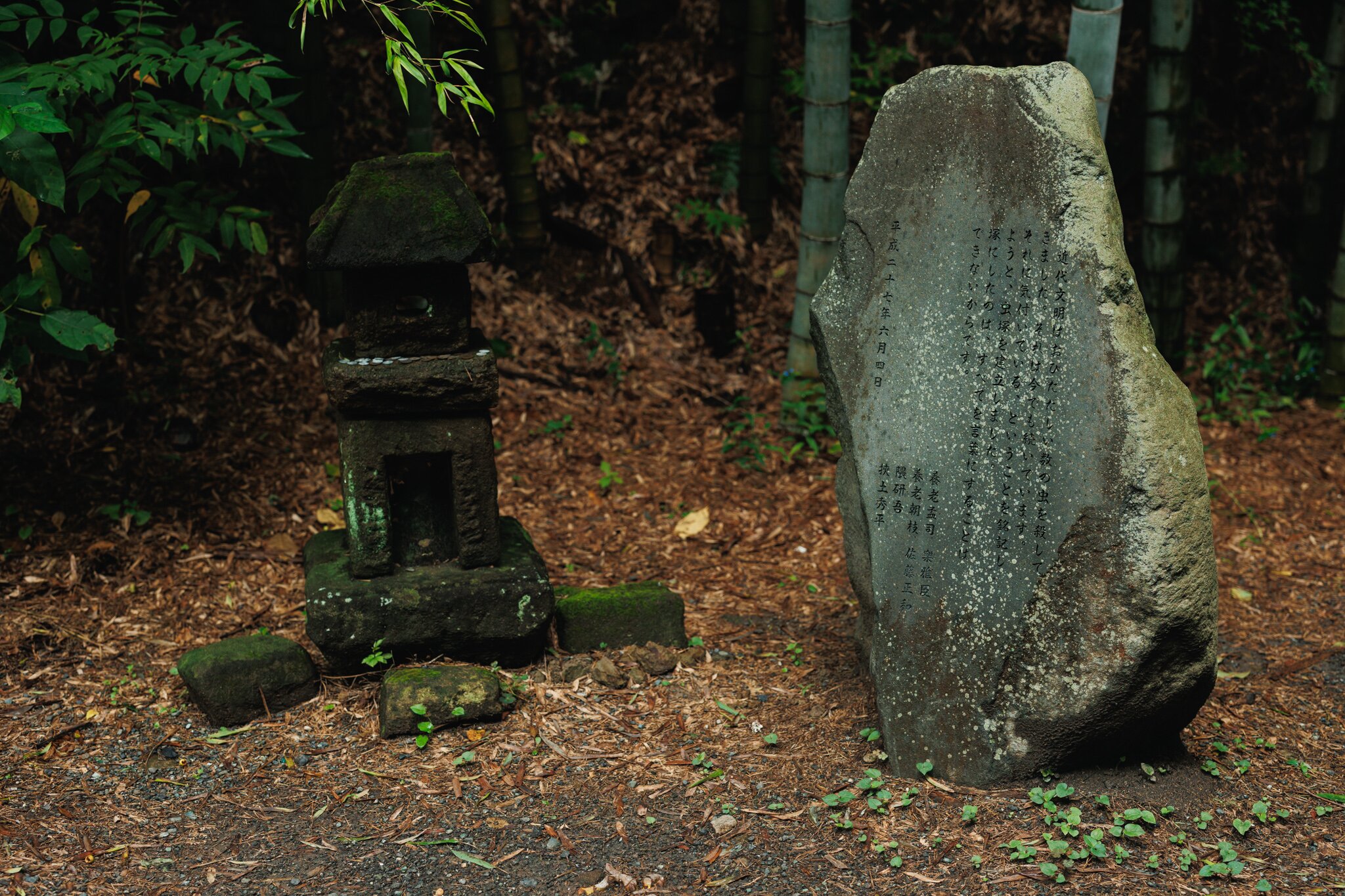
The reason for all this care was written on the back of the Mushizuka stone. Its inscription acknowledged the enormous numbers of insects killed by modern civilisation and the fact that the killing continues. Establishing the memorial was a way of recording that someone was paying attention. Its final line explained the form it took:
“We made it a mound because not everything can be put into words.”
The stone is dated 4 June 2015. In Japan, 4 June is Insect Day—six and four can be read mu and shi—and a memorial service for insects is held here every year on that date.
The idea came from Takeshi Yōrō, an anatomist best known in Japan for his bestseller Baka no Kabe (The Wall of Fools), and an insect collector with a particular devotion to weevils. His two interests bring observation and mortality into close company. Here, the enthusiasm that draws a person towards insects sits alongside an acknowledgement of their deaths. The inscription’s concern extends beyond specimens in a collection to the much wider losses caused by human activity.
That gave the large, appealing sculptures a different role. They offered plenty to enjoy while making the subject of the memorial impossible to overlook.
Cages for the sky
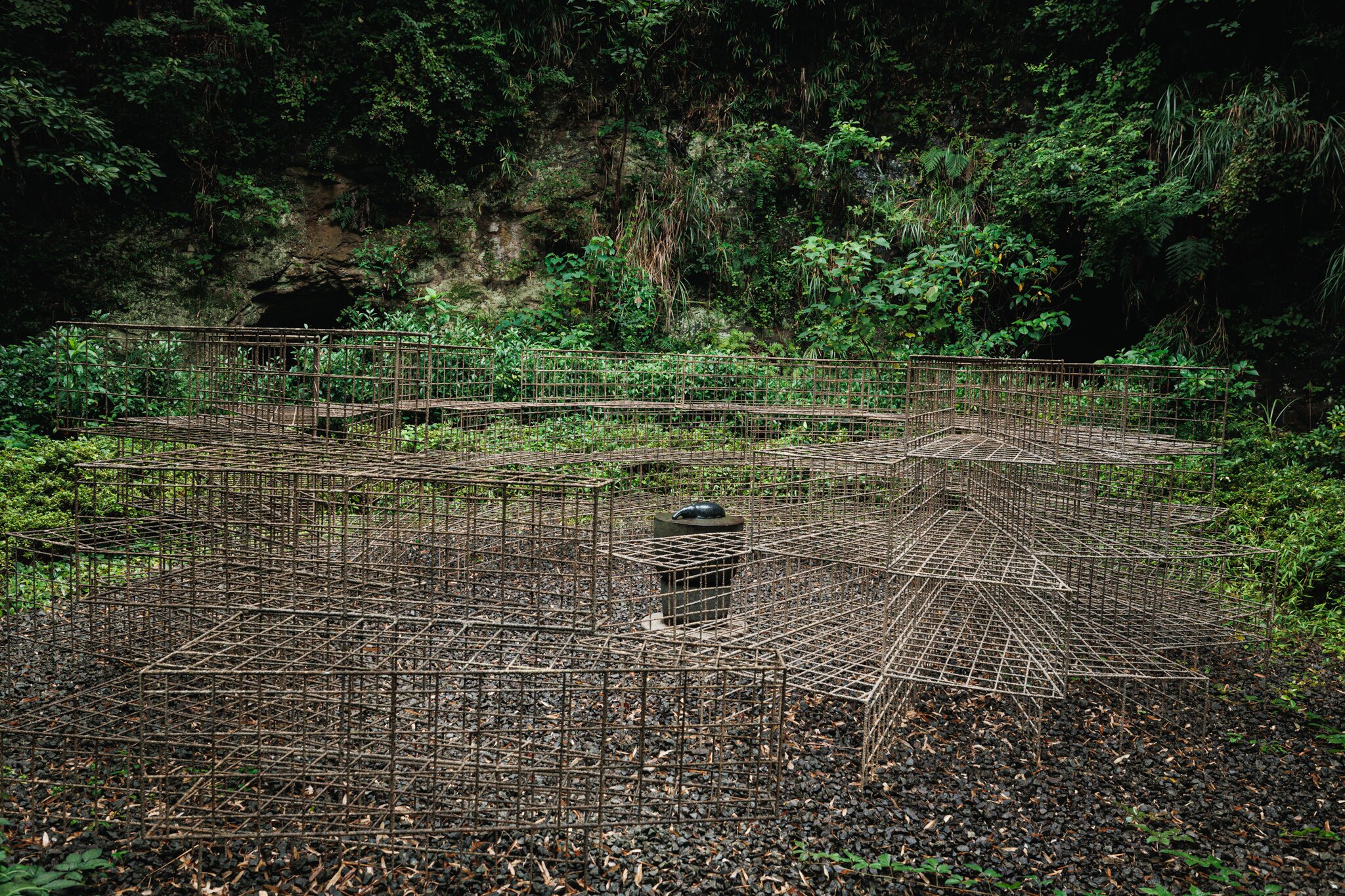
Behind the stone, a structure made from rectangular mesh cases curved around a weevil on a pedestal—the insect Yōrō is best known for collecting. Bamboo and greenery showed through its sides. After the weight and polish of the stone insects, this looked almost temporary: an elaborate arrangement of cages in the garden.
It was designed by Kengo Kuma, the architect behind Tokyo’s National Stadium.
Insect cages do not usually come with an architectural credit.
The resemblance was intentional. Forty stainless-steel mesh cases were arranged in a spiral to evoke insects flying towards the sky. A form associated with catching insects had been used to imagine their release. The mesh left the surrounding landscape visible, giving the memorial a lightness quite unlike the stone figures nearby. That was the point: Kuma’s office describes Mushizuka as an attempt to reverse the idea that monuments should be solid.
Its earthy finish was the work of another specialist. The plasterer Shūhei Hasado applied local soil mixed with glass fibre to the mesh. The material helped soften the metal’s appearance and connect it to the ground and rock around it. The soil, at least, had not had far to travel.
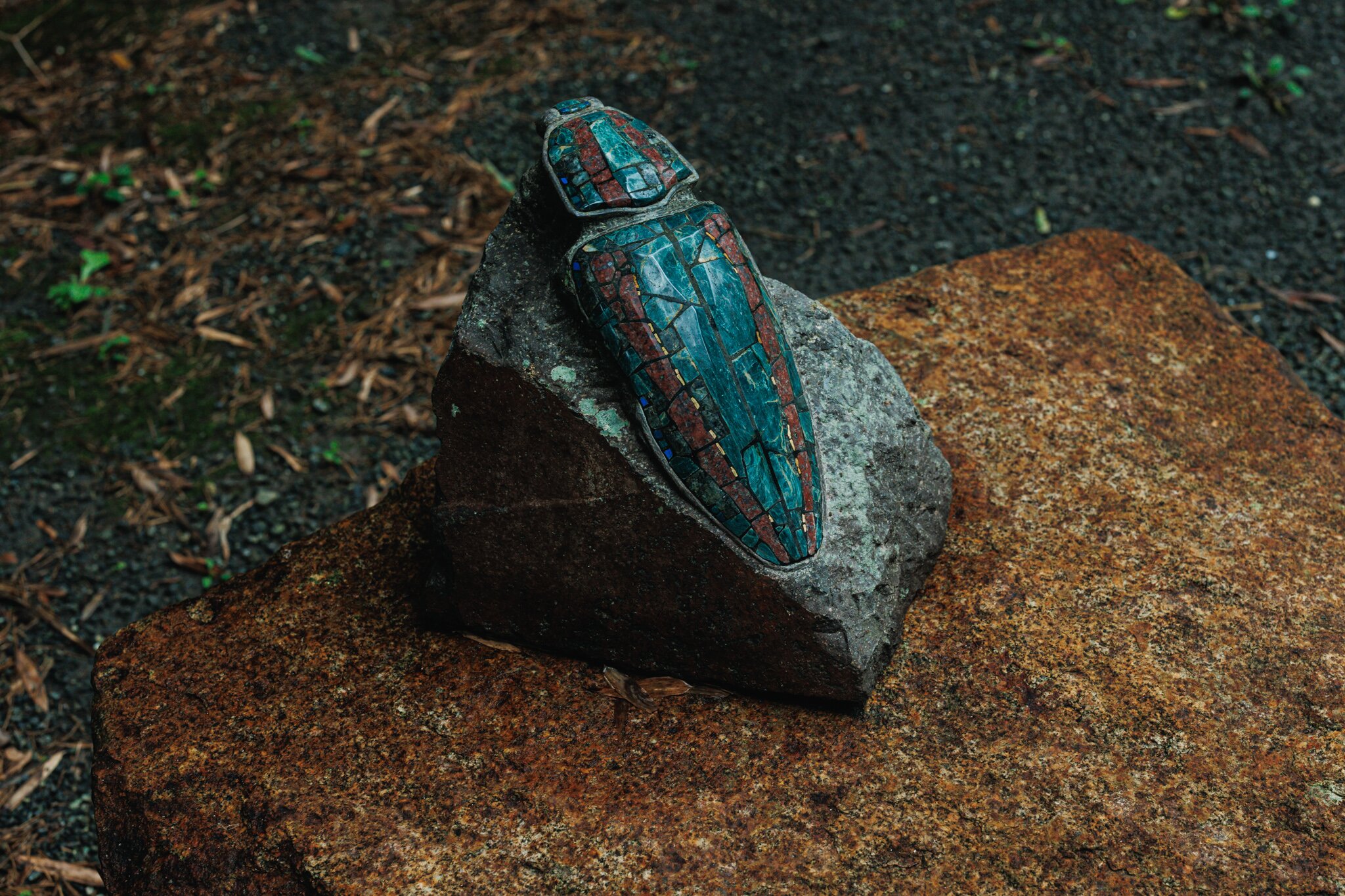
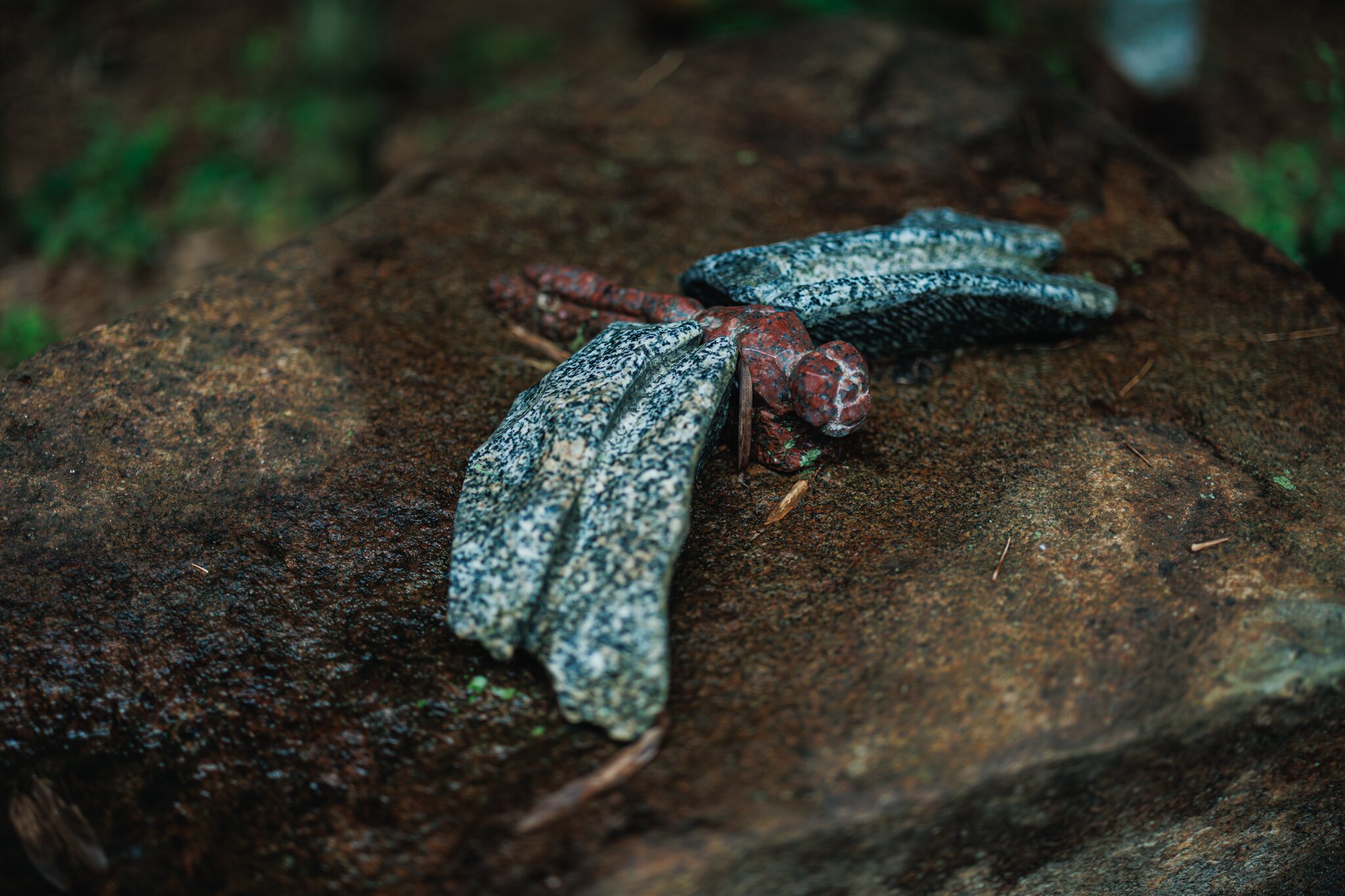
The smaller sculptures brought the eye back from architecture to anatomy. On one rock sat a jewel beetle, its wing cases patterned in bright blue-green and red. On another, a dragonfly’s pale, mottled wings extended from either side of its red body. Against the bamboo and weathered stone, these colours were worth a pause of their own.
In Kafka’s The Metamorphosis, Gregor Samsa’s transformation into an insect-like creature does little for his standing at home. At Kenchōji, it might at least have earned him a pedestal.
Visit this place
Location
Mushizuka (虫塚), Kenchōji Temple
Inside Kenchōji Temple, near the entrance to the Hansōbō approach beyond the main temple buildings
8 Yamanouchi, Kamakura, Kanagawa 247-8525, Japan
Practical Information
- Place
- Mushizuka (虫塚), Kenchōji Temple (建長寺)
- Area
- Yamanouchi, Kamakura, Kanagawa
- Address
- 8 Yamanouchi, Kamakura, Kanagawa 247-8525
- Access
- About 15 minutes on foot from JR Kita-Kamakura Station
- Opening hours
- 8:30–16:30
- Admission
- Adults (high school students and above): ¥500; elementary and junior high school students: ¥200
- Payment
- Cash only
- Visitor note
- Mushizuka is inside the temple grounds near the entrance to the Hansōbō approach, beyond the main temple buildings. Allow extra time to reach it.
- Photography
- Tripods and monopods are prohibited. Commercial photography and filming require advance permission.
- Official website
- Kenchōji Temple — Visiting information
Information last checked: September 15, 2026
Conversation
Comments
Review pending commentsComments are reviewed before appearing. The internet already contains enough unattended surprises.
Checking comments…
Comments are not available in this migration preview yet. Existing comments remain on the current site.
Leave a comment