Hounji Temple: A Dragon Bone, a Tengu Claw and Yang Guifei’s Mirror
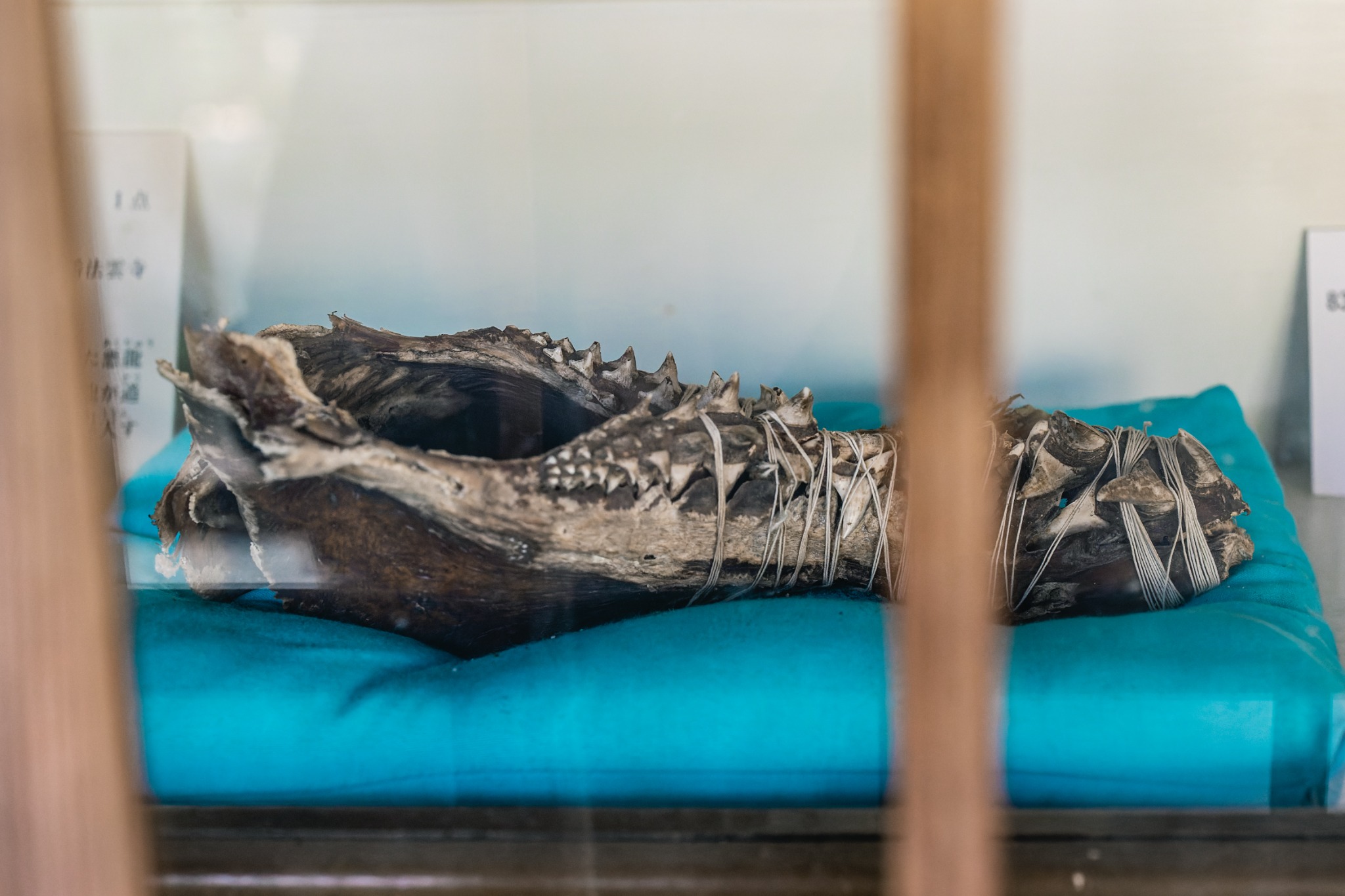
Dragons may not be confined to fantasy after all.
At Hounji Temple in Chichibu, in the mountains of Saitama Prefecture northwest of Tokyo, a bone said to have belonged to a dragon rests behind glass. It resembles part of a skull or jaw. Sharp teeth line its edge, and the shape is uncomfortably close to what a dragon bone is supposed to look like.
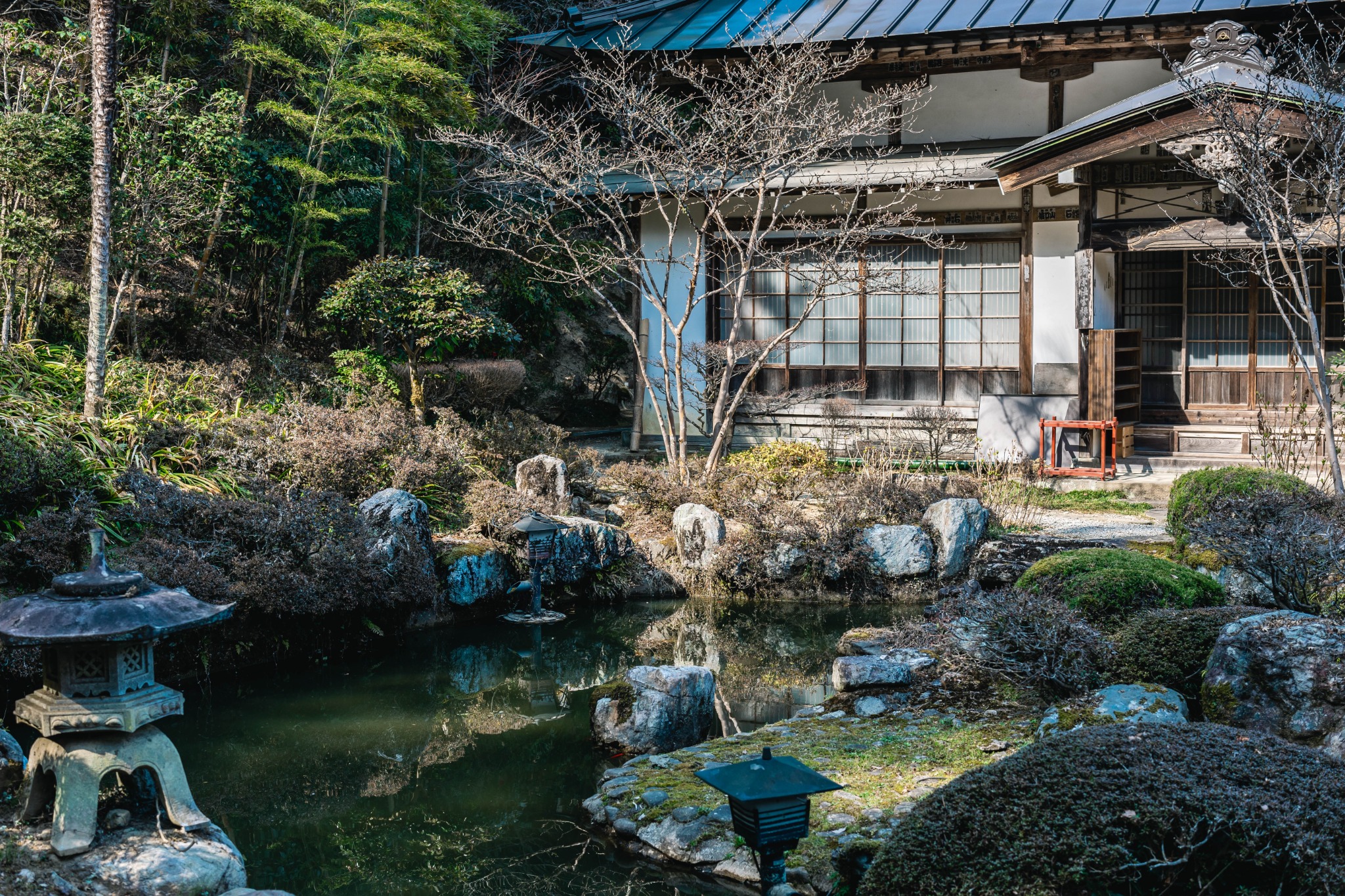
This is not Hounji’s only improbable treasure. The temple also keeps a so-called tengu claw and a mirror associated with Yang Guifei.
More importantly, the mirror and the dragon bone are not unrelated curiosities.
They belong to the same story.
A Chinese beauty, five centuries later
Yang Guifei, the celebrated consort of Emperor Xuanzong of Tang China, died in 756.
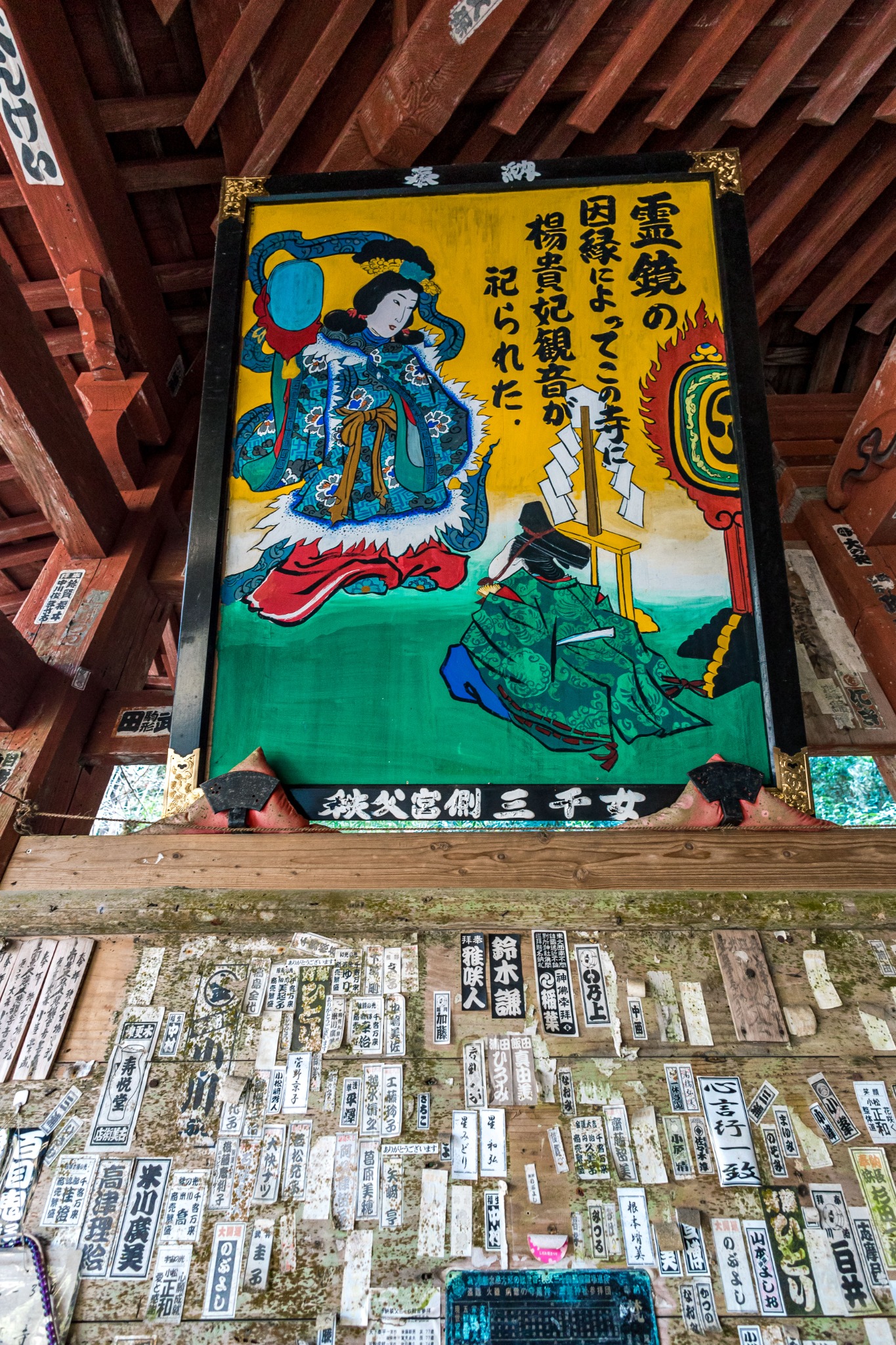
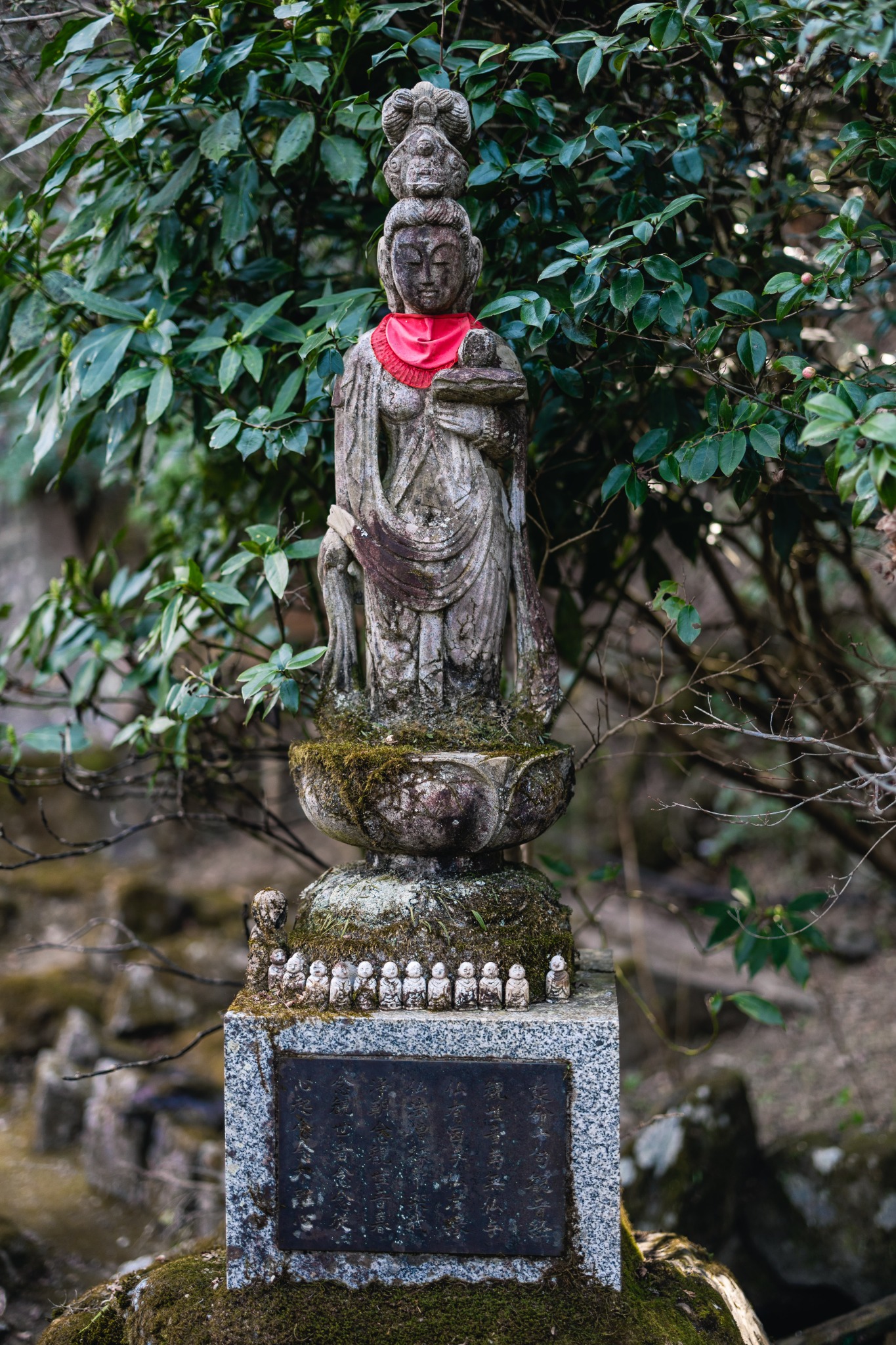
According to Hounji tradition, the emperor had an image of Nyoirin Kannon made in her memory. In 1319, more than five centuries later, the Zen priest Dōin is said to have brought that image from China to Japan and enshrined it at Hounji.
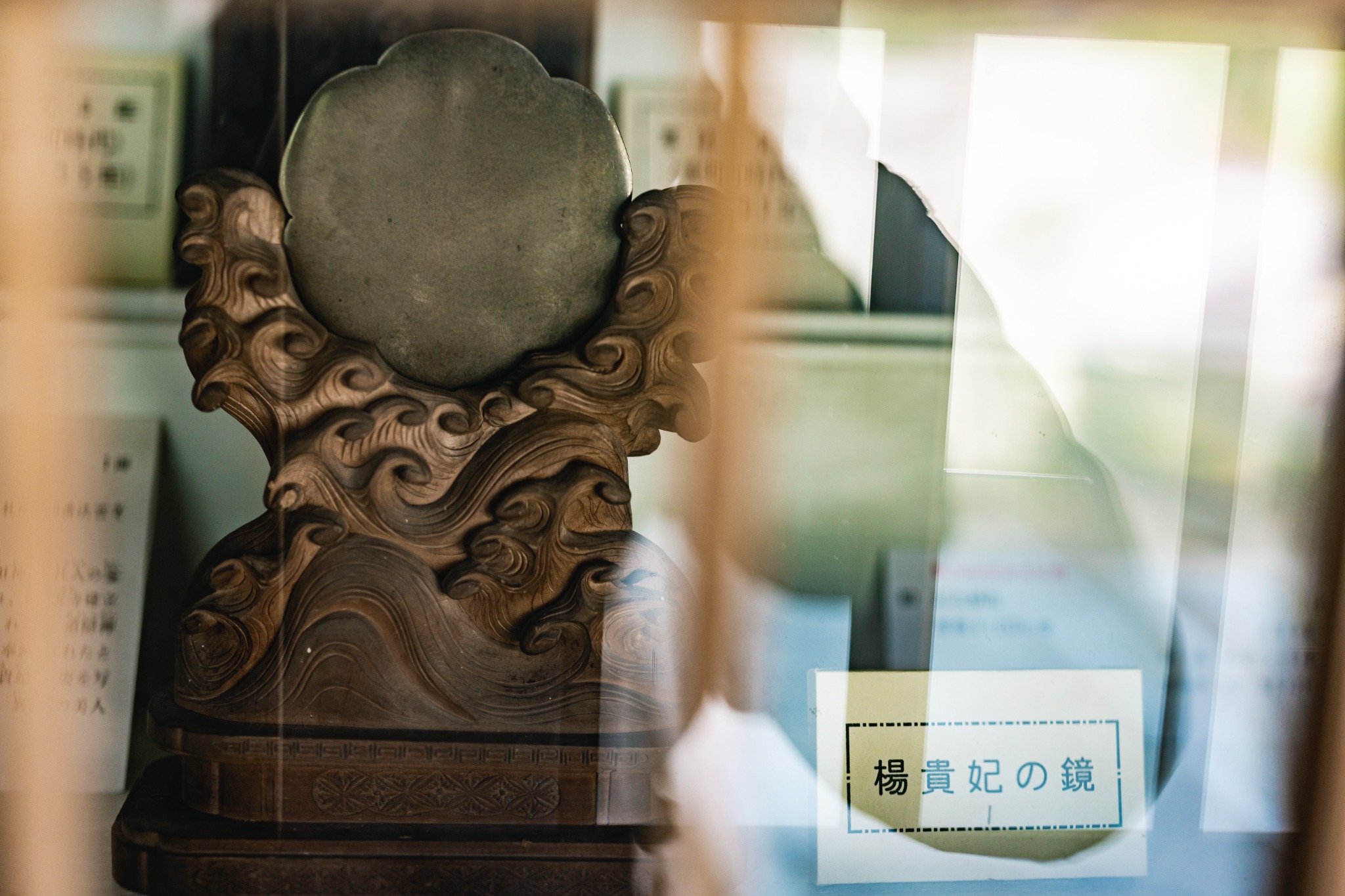
The mirror would connect that distant imperial story to this mountain temple.
According to the story associated with Hounji, a mysterious woman once appeared before a Shinto priest and entrusted him with a mirror, telling him that it should be taken to Chichibu.
The priest eventually left it in the care of an old man.
Years later, when Dōin arrived with the Kannon associated with Yang Guifei, the old man came forward and handed him the mirror.
Then he explained who he really was.
An old man with a past
The old man said that he had once been an evil dragon. Through Kannon’s protection, however, he had become a good dragon and was now ready to be reborn.
Looking after a mirror had apparently been only a small part of his career.
He revealed his true form and flew away. What remained behind, according to the legend, was a bone.
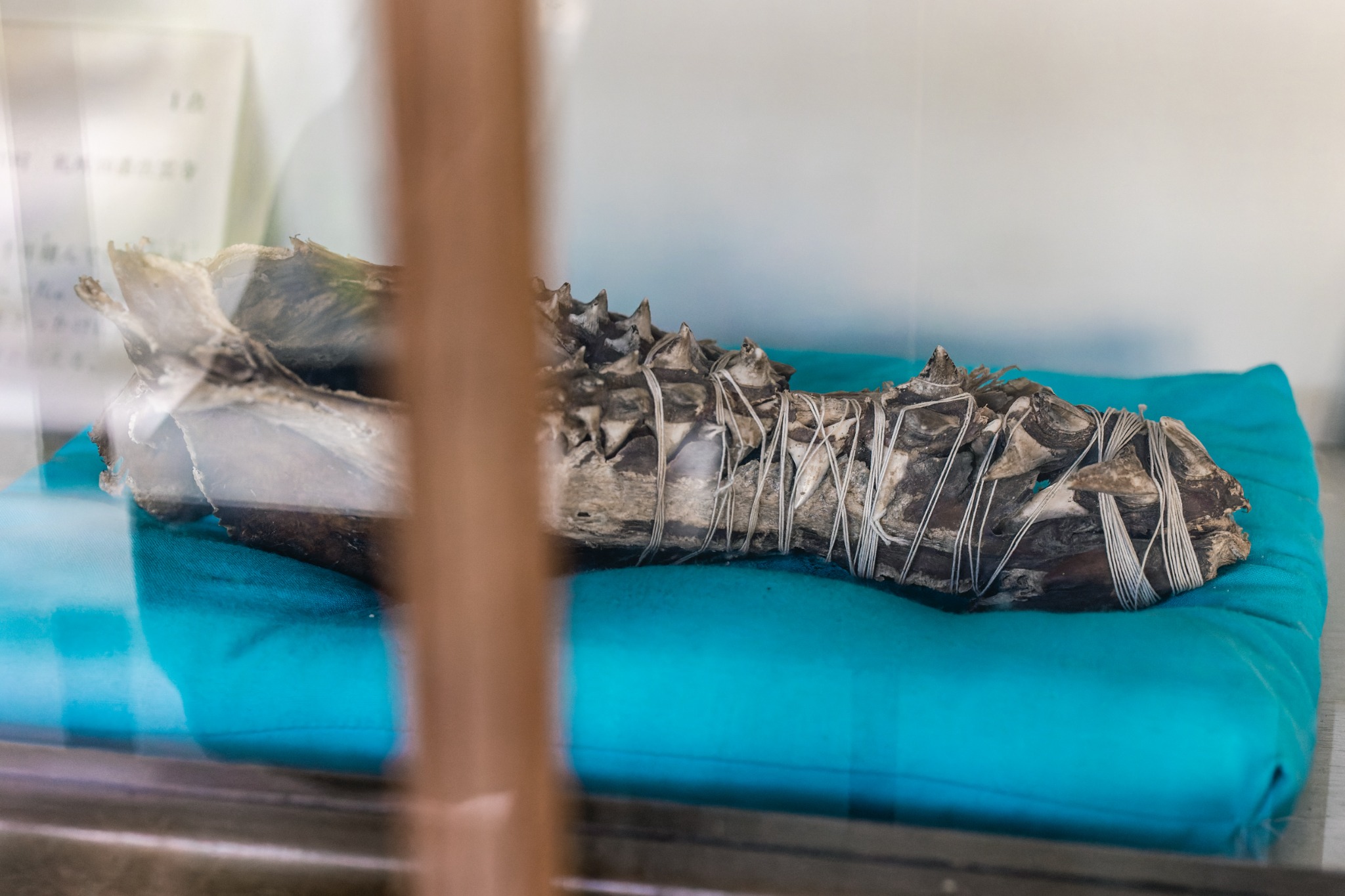
Here the story becomes something you can look at through glass. The dragon has departed, but the teeth remain.
They also invite an obvious question: what is the bone actually from?
A shark jaw has been suggested, but I could not find a published scientific examination confirming that identification.
The tengu claw was another matter.
The tengu’s claw has a fishier explanation
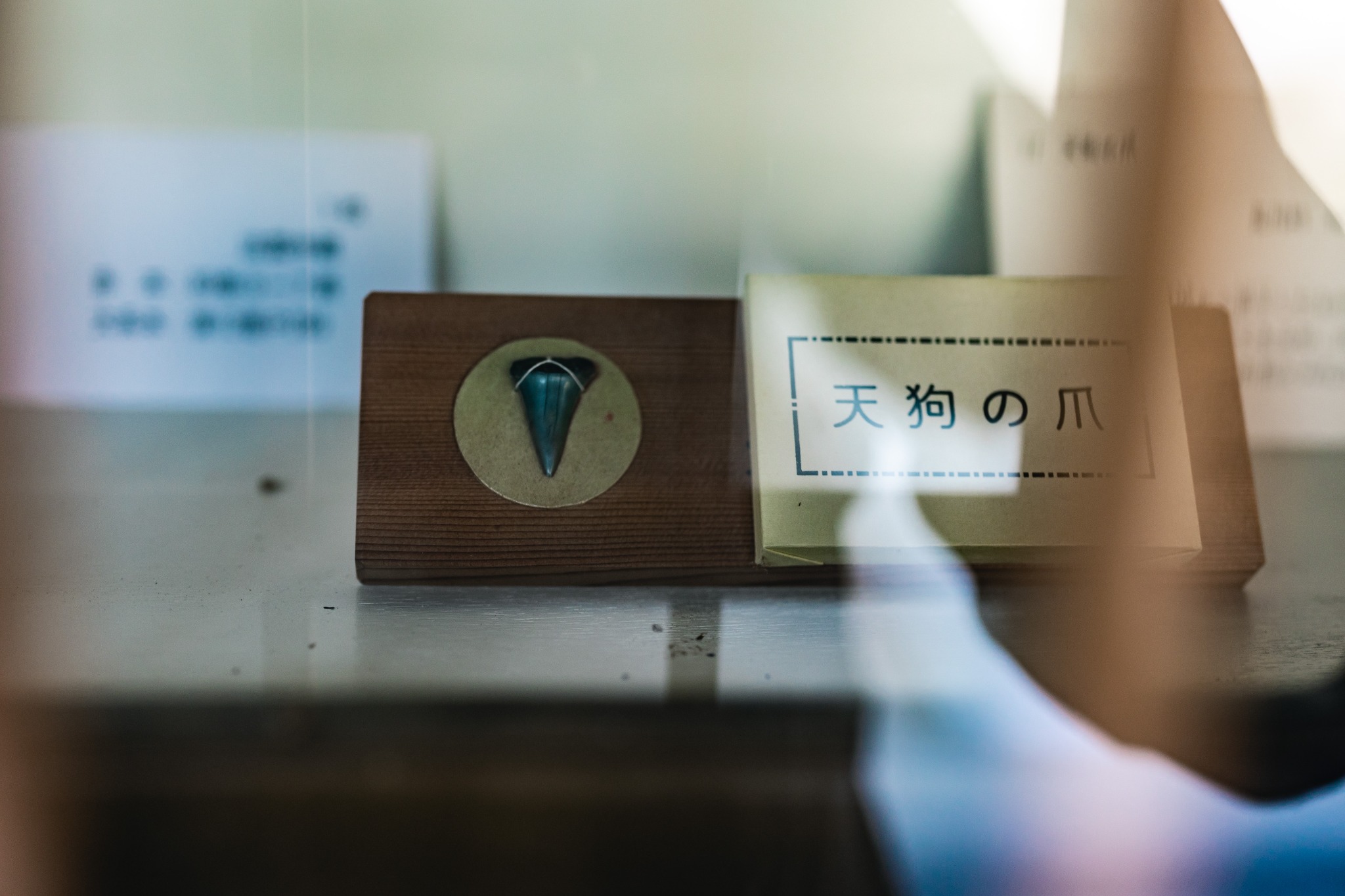
Tengu are supernatural beings from Japanese folklore, often associated with mountains. Finding one of their claws in Chichibu would therefore have been unusual, but at least geographically appropriate.
In 2022, the temple’s priest offered a less supernatural explanation.
The tengu claw is probably a shark tooth.
Speaking to the Sankei Shimbun, the priest said it was thought to be a fossil tooth from megalodon, a giant shark believed to have lived around 20 million years ago. That seems to leave the animal with a rather serious problem of location. Why a shark, here in the mountains?
Around 15 million years ago, the Chichibu Basin lay beneath the sea. Fossils of sharks, whales, turtles and other marine life survive in its deposits—traces of a landscape very different from the wooded hills surrounding the temple today.
Whoever first looked at this strange triangular object and called it a tengu claw was probably wrong.
But impressively wrong.
The priest is more generous. “People imagine the mysterious within the limits of what they know,” he said. “To people at the time, it was unmistakably a dragon or a tengu.”
What looked like evidence of a mountain monster might instead be a trace of Chichibu’s ancient sea.
A different kind of treasure
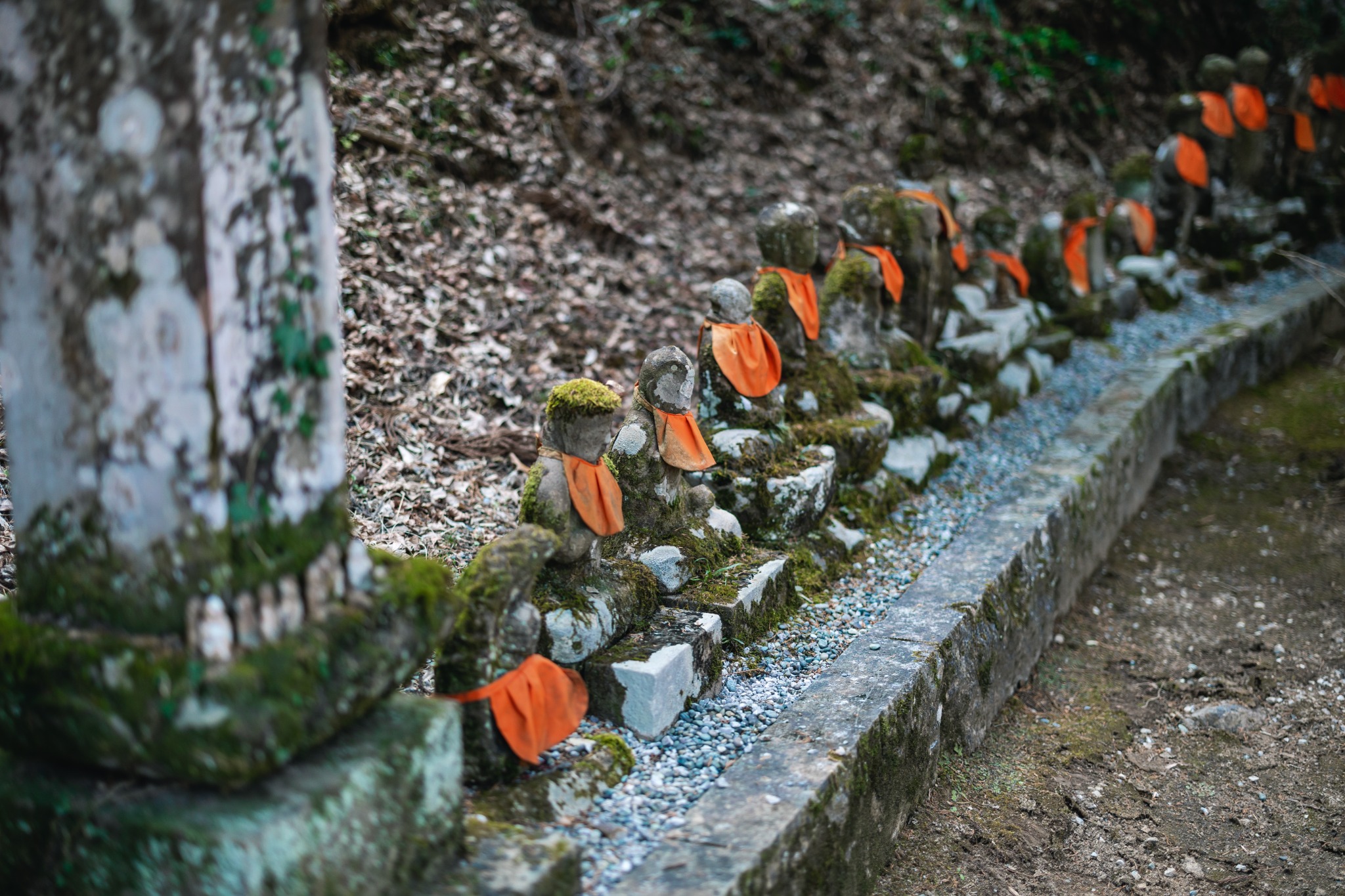
The dragon was not the only visitor said to have left something behind. Human pilgrims did so too, generally finding a name and a date sufficient.
Hounji preserves pilgrimage slips from the sixteenth century. Among them is one from 1536 referring to a pilgrimage of one hundred Kannon sites.
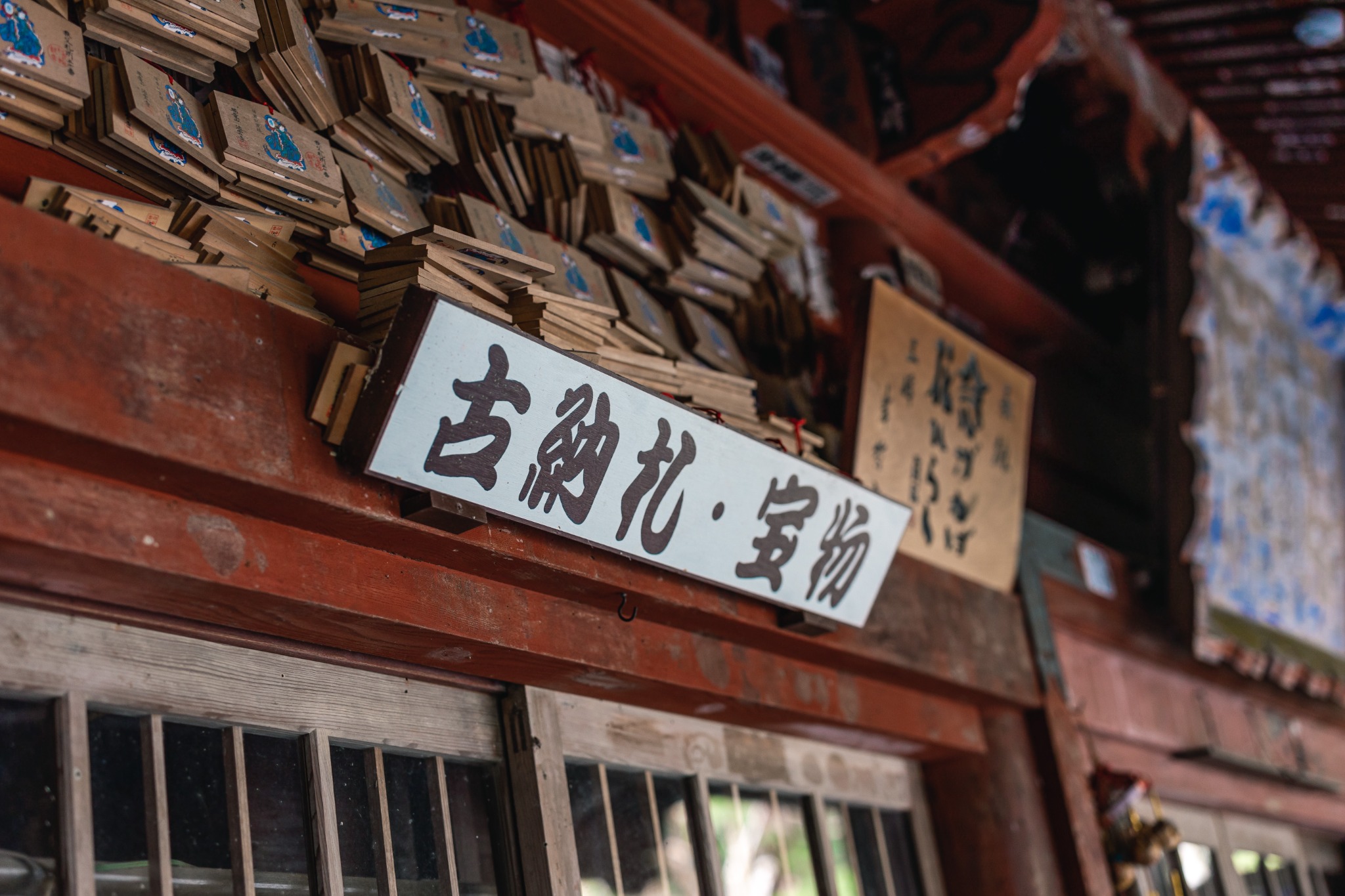
The Saigoku pilgrimage has 33 temples. Bandō has another 33. Chichibu has 34.
33 + 33 + 34 = 100.
The arithmetic fits on one line. The walking does not.
Together, these circuits form the Japan Hundred Kannon pilgrimage. The 1536 inscription provides evidence that the three were already being linked by that time.
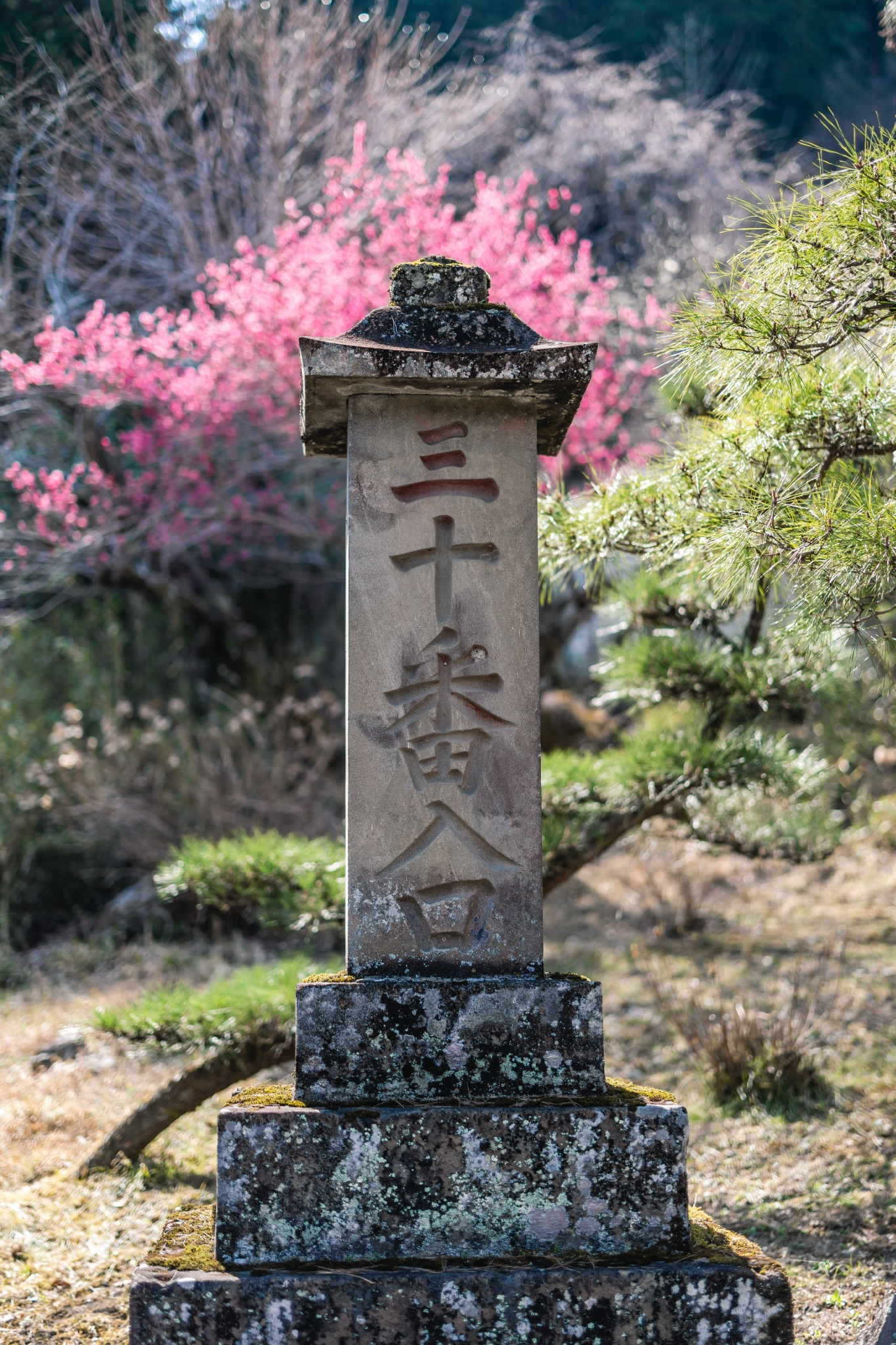
Its formal name is Zuiryuzan Hounji. The mountain name, Zuiryuzan, means “Auspicious Dragon Mountain”.
The tengu is probably a shark. The dragon, for now, remains a dragon.
Visit this place
Location
Zuiryuzan Hounji Temple (瑞龍山 法雲寺)
432 Arakawa Shiroku, Chichibu, Saitama 369-1912, Japan
Practical Information
- Pilgrimage
- No. 30 of the Chichibu 34 Kannon pilgrimage
- Access
- About 15 minutes on foot from Shiroku Station (Chichibu Railway)
- Parking
- Cars and minibuses accepted; no large-bus parking
- Grounds and parking
- Free, according to the Chichibu pilgrimage official FAQ
- Goshuin / temple office hours
- March–October: 8:00–17:00
November–February: 8:00–16:00
Lunch break: 12:00–12:30 - Temple treasures
- The dragon bone, tengu claw and mirror are on permanent display behind glass and can be viewed from outside.
- Nyoirin Kannon (“Yang Guifei Kannon”)
- Normally kept inside the Kannon Hall and traditionally shown to the public on the annual festival day, April 18
- 2026 special opening
- During the 12-year Uma-doshi Sōkaichō, the principal images of all 34 Chichibu pilgrimage temples are opened from March 18 to November 30, 2026.
- Phone
- +81 494-54-0108
- Official pilgrimage page
- Chichibu 34 Kannon — Hounji
Information last checked: October 3, 2026 (temple phone number and treasure display).
Conversation
Comments
Review pending commentsComments are reviewed before appearing. The internet already contains enough unattended surprises.
Checking comments…
Comments are not available in this migration preview yet. Existing comments remain on the current site.
Leave a comment