Taya Cave: A Pilgrimage by Candlelight
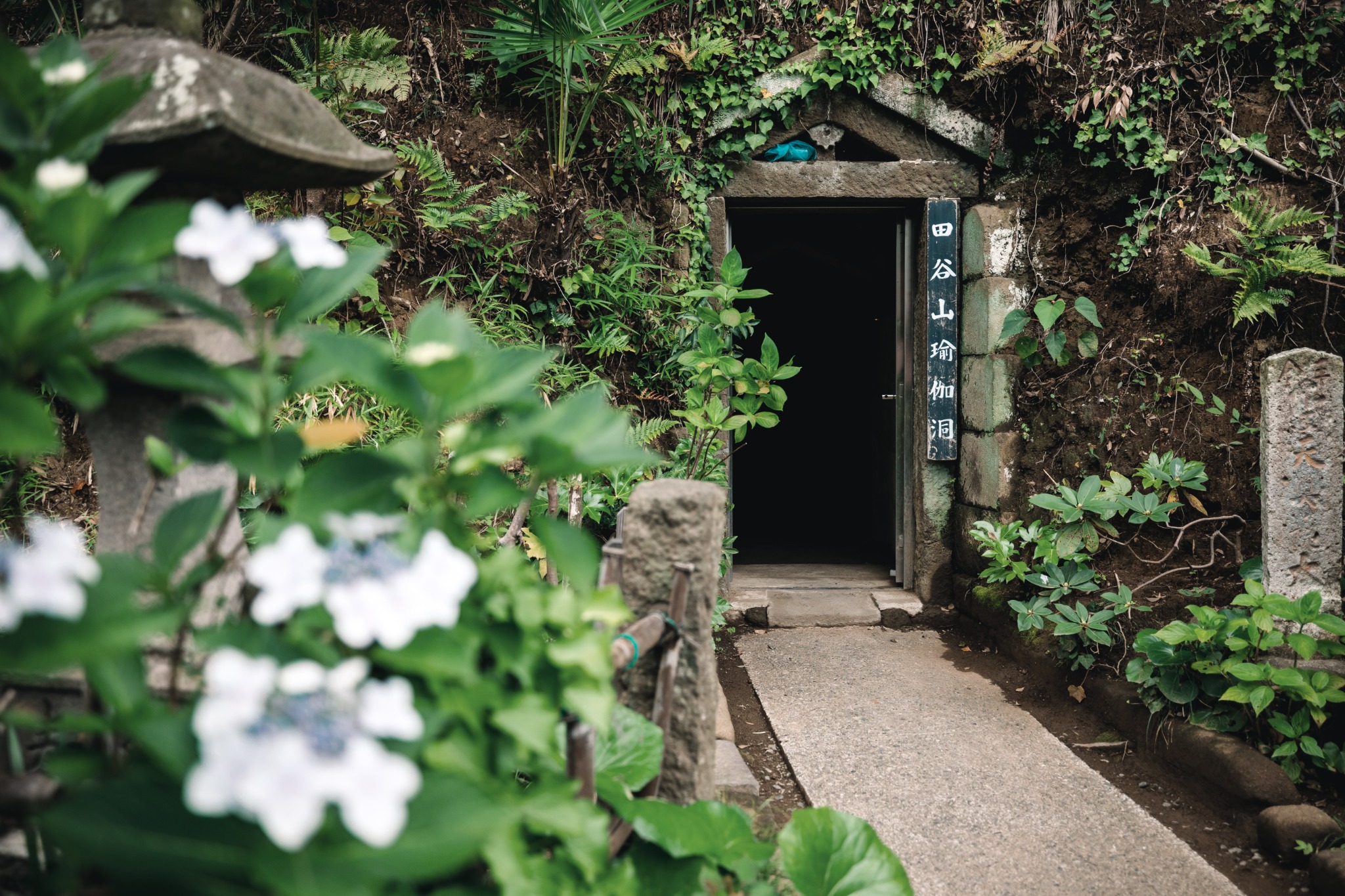
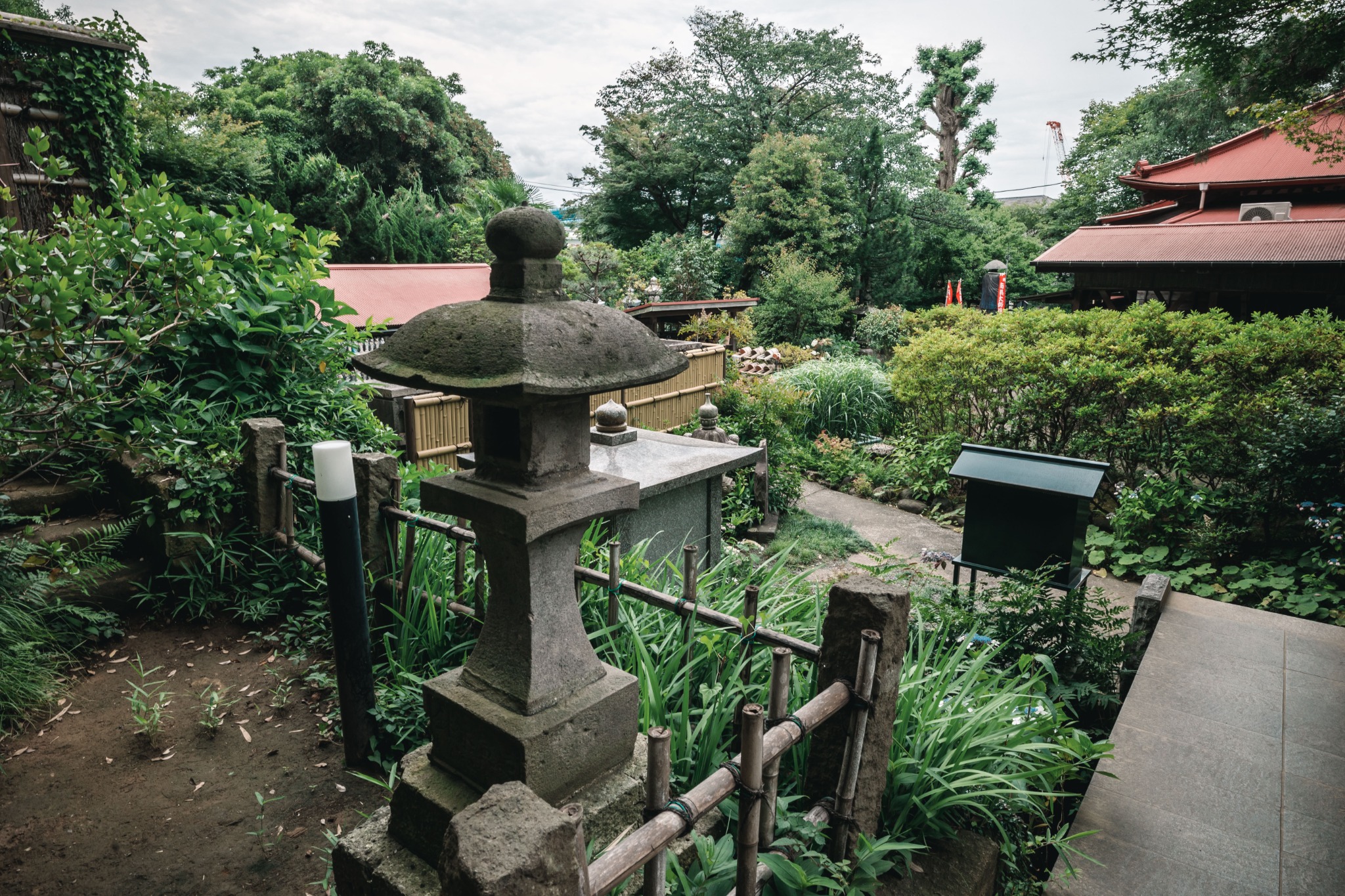
The entrance to Taya Cave was a dark doorway in a hillside, framed by greenery. The hydrangeas were making a rather bigger announcement.
Beyond it lay a symbolic journey around 188 sacred sites. Normally, I would expect an itinerary like that to involve a suitcase.
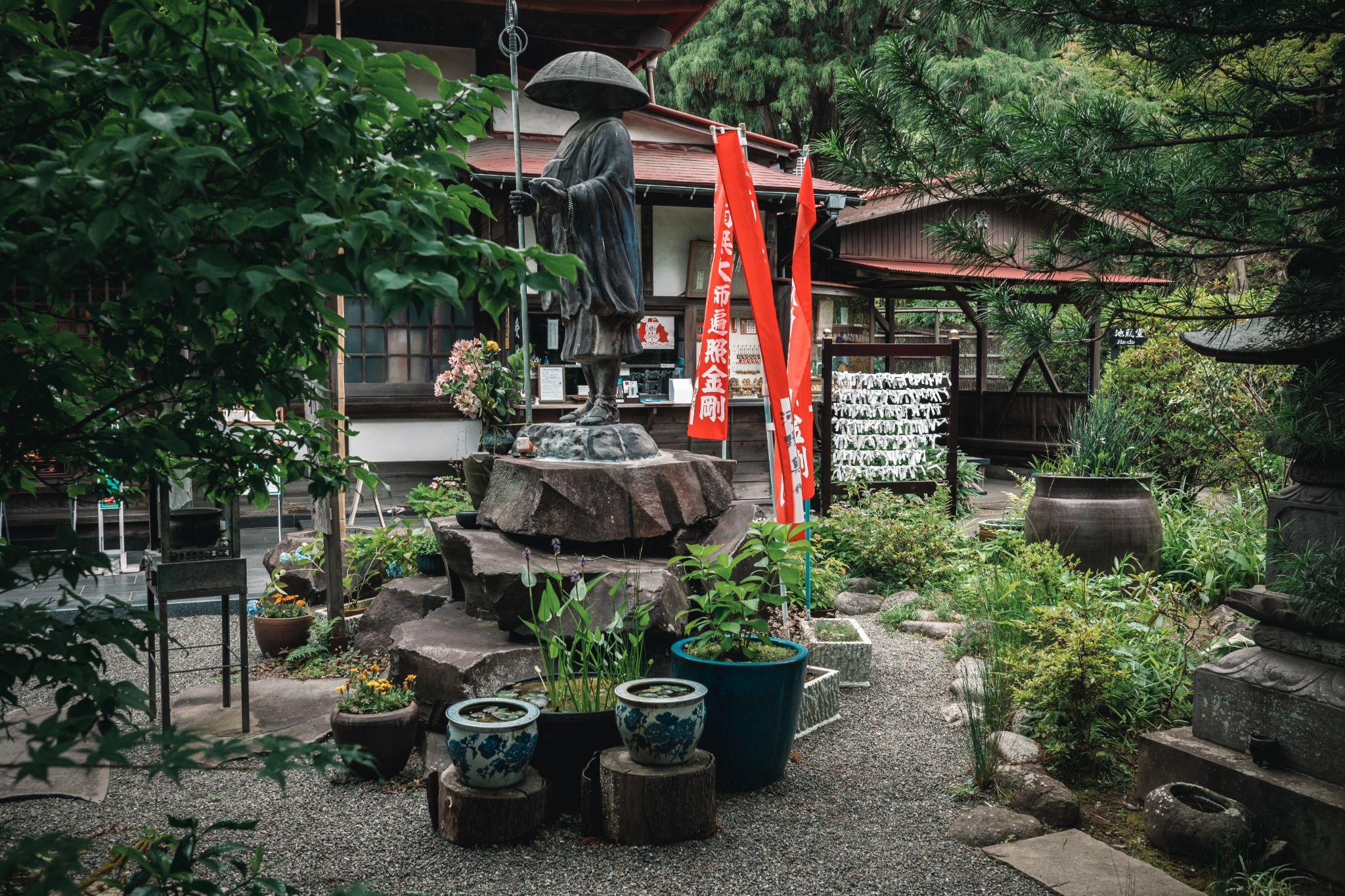
This was Jōsenji, a Buddhist temple in Yokohama, south of Tokyo. Beneath its grounds, people had carved passages and chambers into the hill and filled them with religious images. An impressive amount of the temple was out of sight.
Travelling light
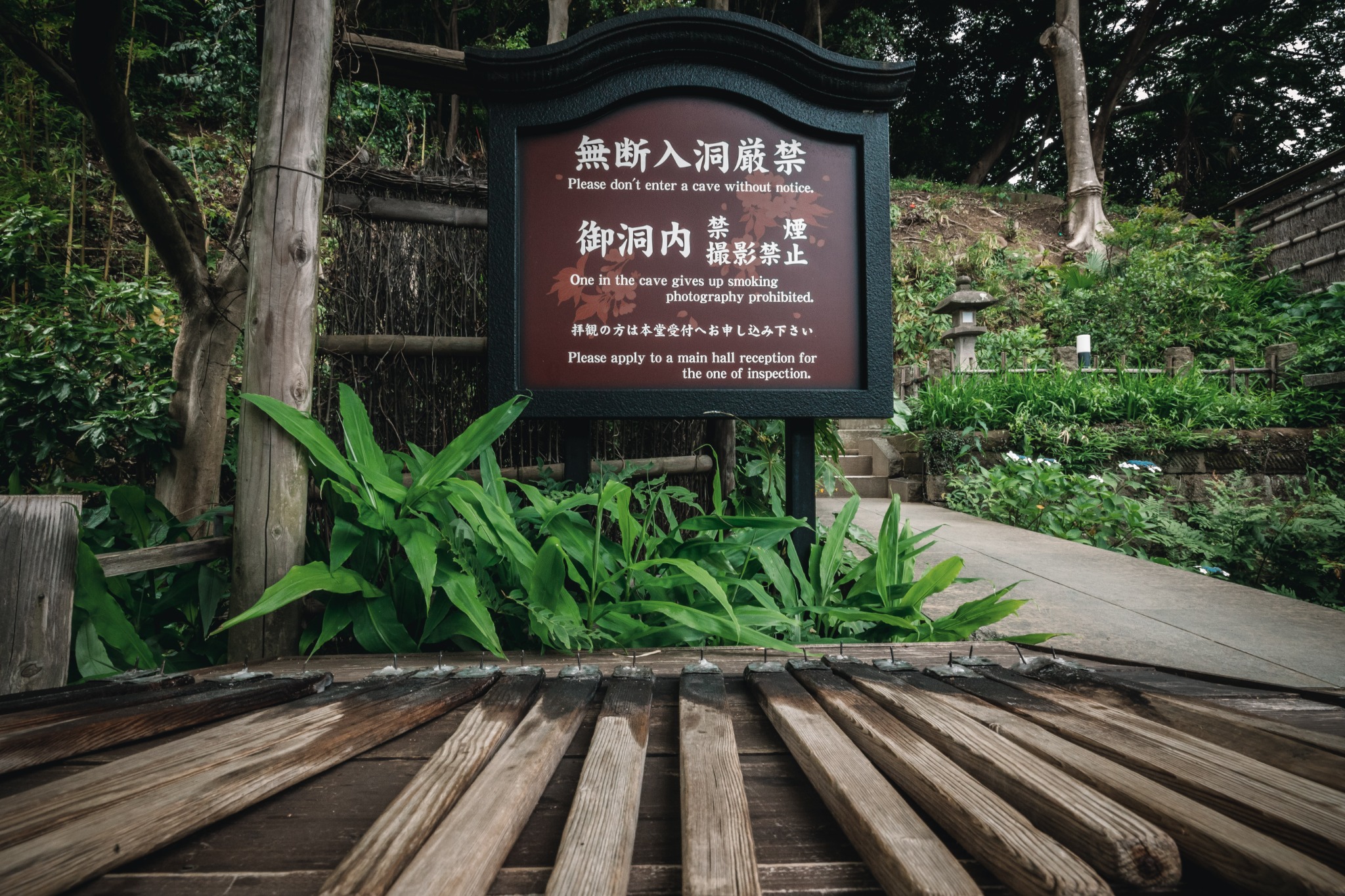
The equipment for the journey was a candle on a wooden holder. Photography is forbidden inside the cave, which remains a place of Buddhist practice. The notice outside made the rule clear, at least in Japanese. The English version was more poetic: “One in the cave gives up smoking photography prohibited.” The wooden holders were lined up beneath it.
For once, a candle was more useful to me than a camera.
A pilgrimage inside a hillside
Inside, the walls and ceilings bear around 250 reliefs, including Buddhist figures, mandalas and scenes from religious stories. They give the underground journey its geography. Images associated with the 88 temples of the Shikoku pilgrimage are joined by those of the Saigoku, Bandō and Chichibu Kannon pilgrimages, which together account for another 100 temples. Kannon is the Buddhist figure of compassion.
Here, worshippers can make a symbolic pilgrimage to those distant sacred sites within a single hillside. The images are places to pray as well as things to look at.
A shorter walk for the pilgrim had meant a rather longer assignment for someone with a chisel.
Tradition traces the cave back to Japan’s medieval Kamakura period, when monks are said to have dug it as a place of Shingon practice, chanting sutras as they worked. Their chisel marks remain. The carvings are later: most date from the Edo period onwards, and one wall bears the date 1862.
With a candle in my hand, I walked through the cool, quiet passages and felt my mind settle. There was plenty to take in, but none of it had to become a photograph.
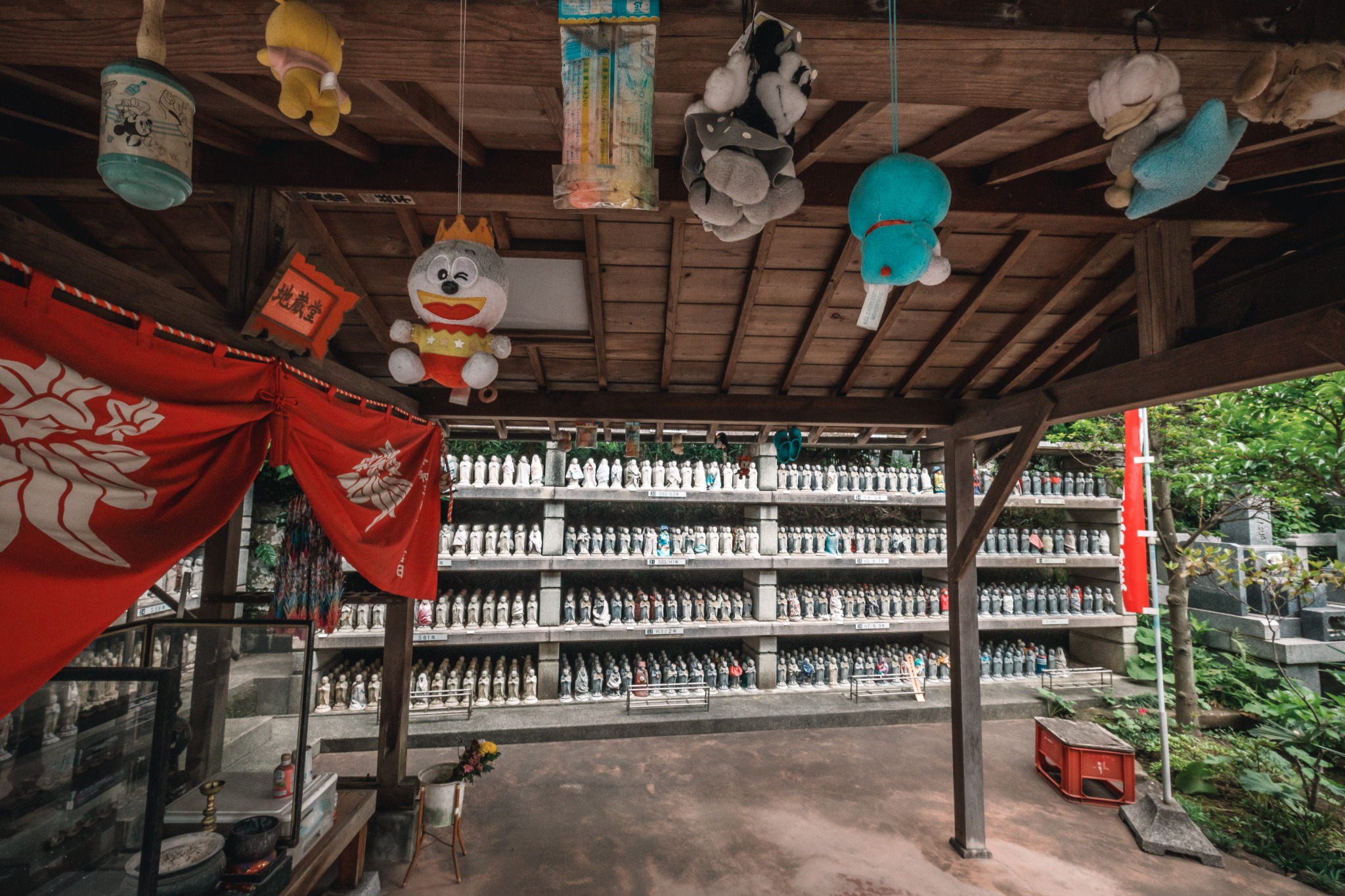
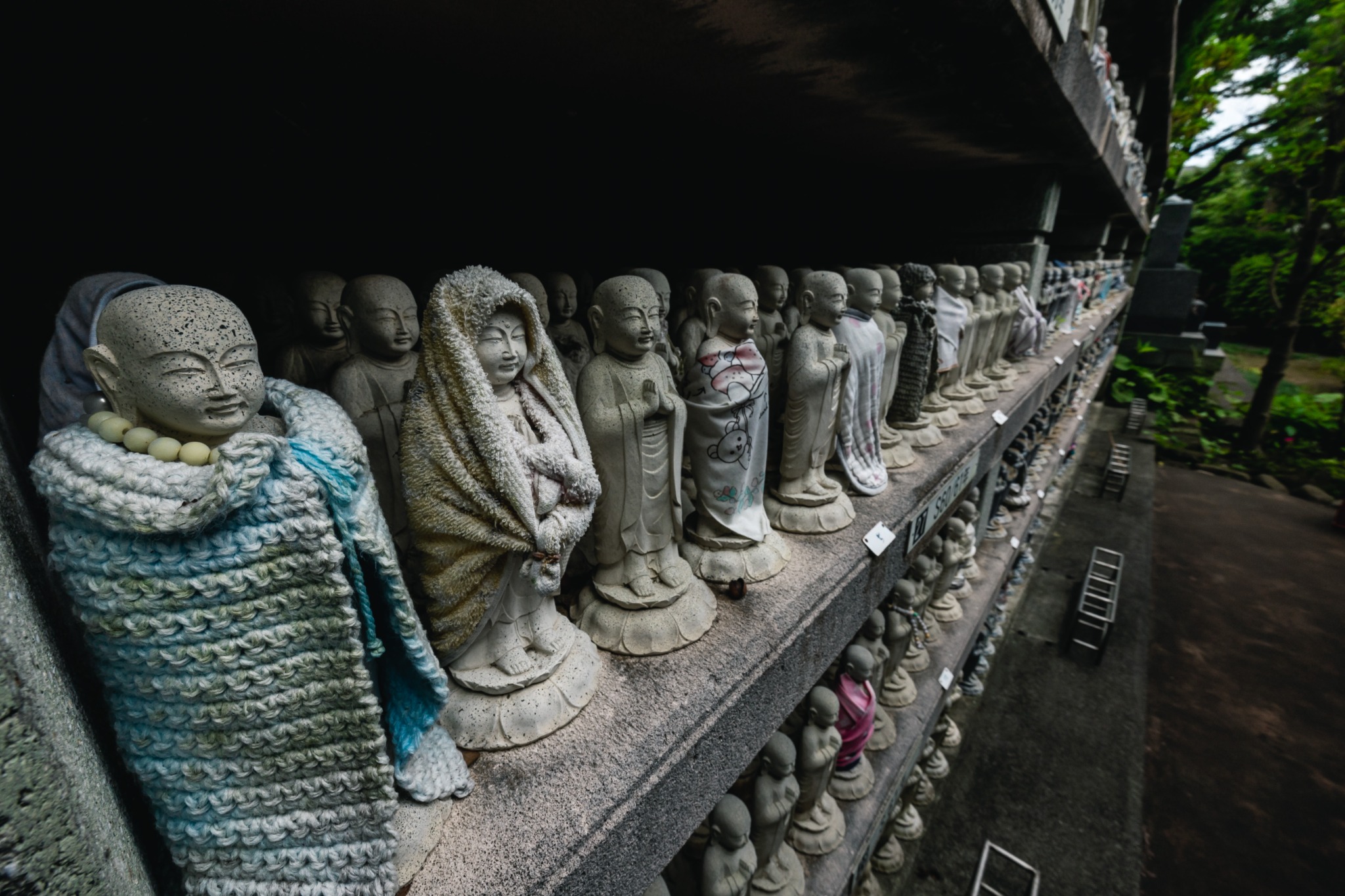
The temple’s devotional life was visible above ground too, in details small enough to hold in your hands.
The route brought me back to the same doorway. In strictly geographical terms, it was an elaborate way of getting back to the hydrangeas.
It had also covered less than half the cave. Of roughly 570 metres of passages, on three levels, visitors walk about 245. The rest is closed. Even underground, most of it had stayed out of sight.
My camera had nothing to show for the time underground.
I came out with a quieter mind, which seemed a perfectly reasonable return.
Visit this place
Location
Jōsenji Temple / Taya Cave (定泉寺・田谷の洞窟)
The cave is within Jōsenji Temple’s grounds. Visit the temple reception before entering.
1501 Taya-cho, Sakae-ku, Yokohama, Kanagawa 244-0844, Japan
Practical Information
- Admission
- Adults: ¥400; junior high school and high school students: ¥200; elementary school students accompanied by a guardian: ¥100
- Opening hours
- 9:00–16:30; last admission 16:00
Check current arrangements before travelling. - Closing days
- No regular closing days are listed. The cave may close when heavy rain, earthquakes or other conditions make entry unsafe.
- Access
- From Ofuna Station’s west exit, take a Kanachu bus towards Totsuka Bus Center and get off at Dōkutsu-mae (洞窟前), beside the temple. Check the timetable before travelling.
- Photography
- Photography is prohibited inside the cave. Follow the temple’s instructions for the candle and your visit.
- Official website
- Jōsenji Temple — Taya Cave
- Tourism information
- Kanagawa Prefecture tourism information
- Cave history
- Taya Cave Preservation Committee
Information last checked: September 8, 2026
Conversation
Comments
Review pending commentsComments are reviewed before appearing. The internet already contains enough unattended surprises.
Checking comments…
Comments are not available in this migration preview yet. Existing comments remain on the current site.
Leave a comment