Eco Park Minamata: A Memorial with a View Worth Protecting
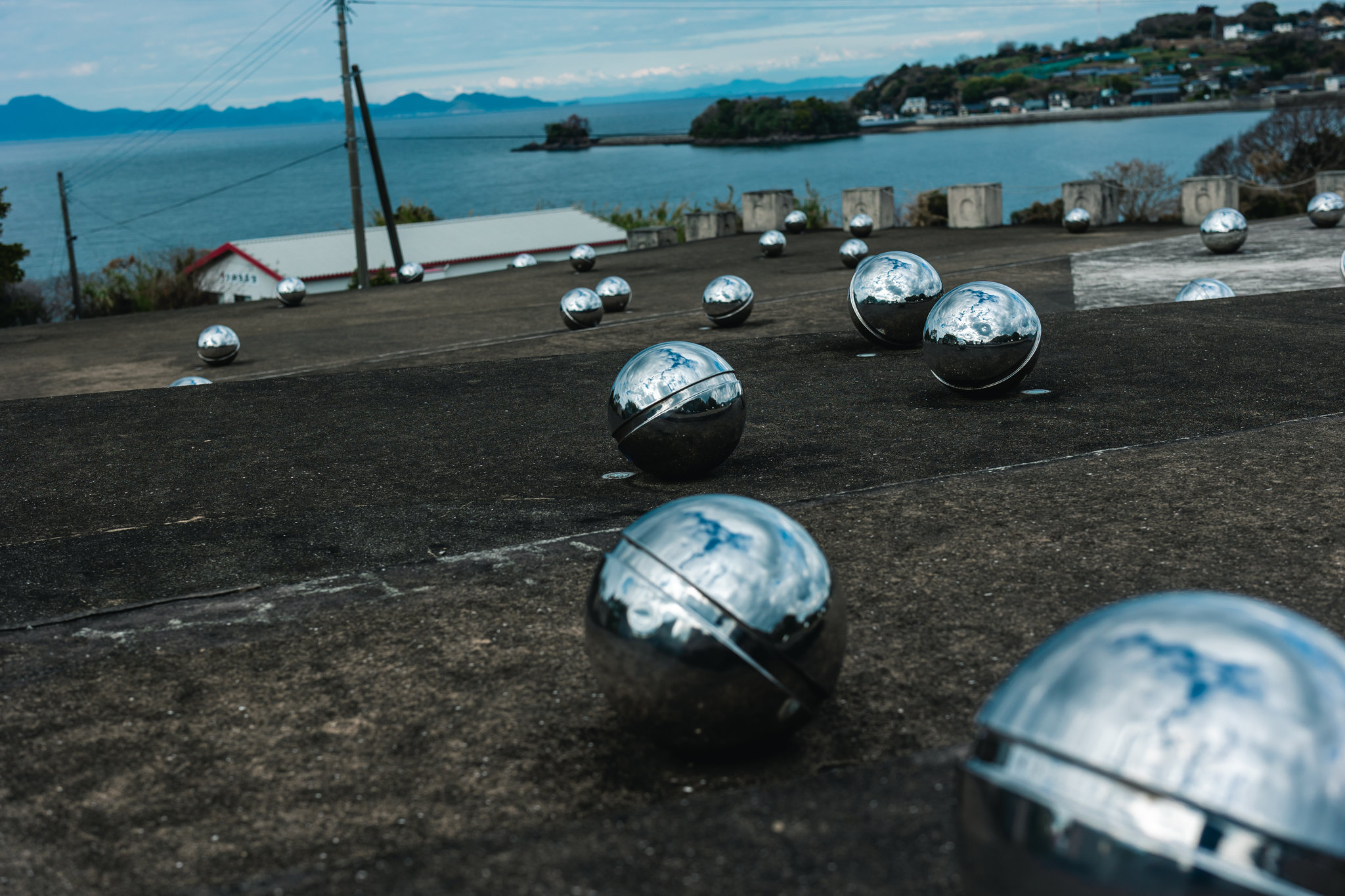
Clouds curved across the silver spheres scattered over a terrace above Minamata Bay. Each held a small, distorted piece of the sky. Beyond them, blue water stretched towards low hills, with houses following the shore.
The spheres belong to the Minamata Memorial, beside Eco Park Minamata in Kumamoto Prefecture, on Japan’s southwestern island of Kyushu. The memorial honours the victims of Minamata disease and overlooks the bay where the poisoning began.
The ground beneath the park
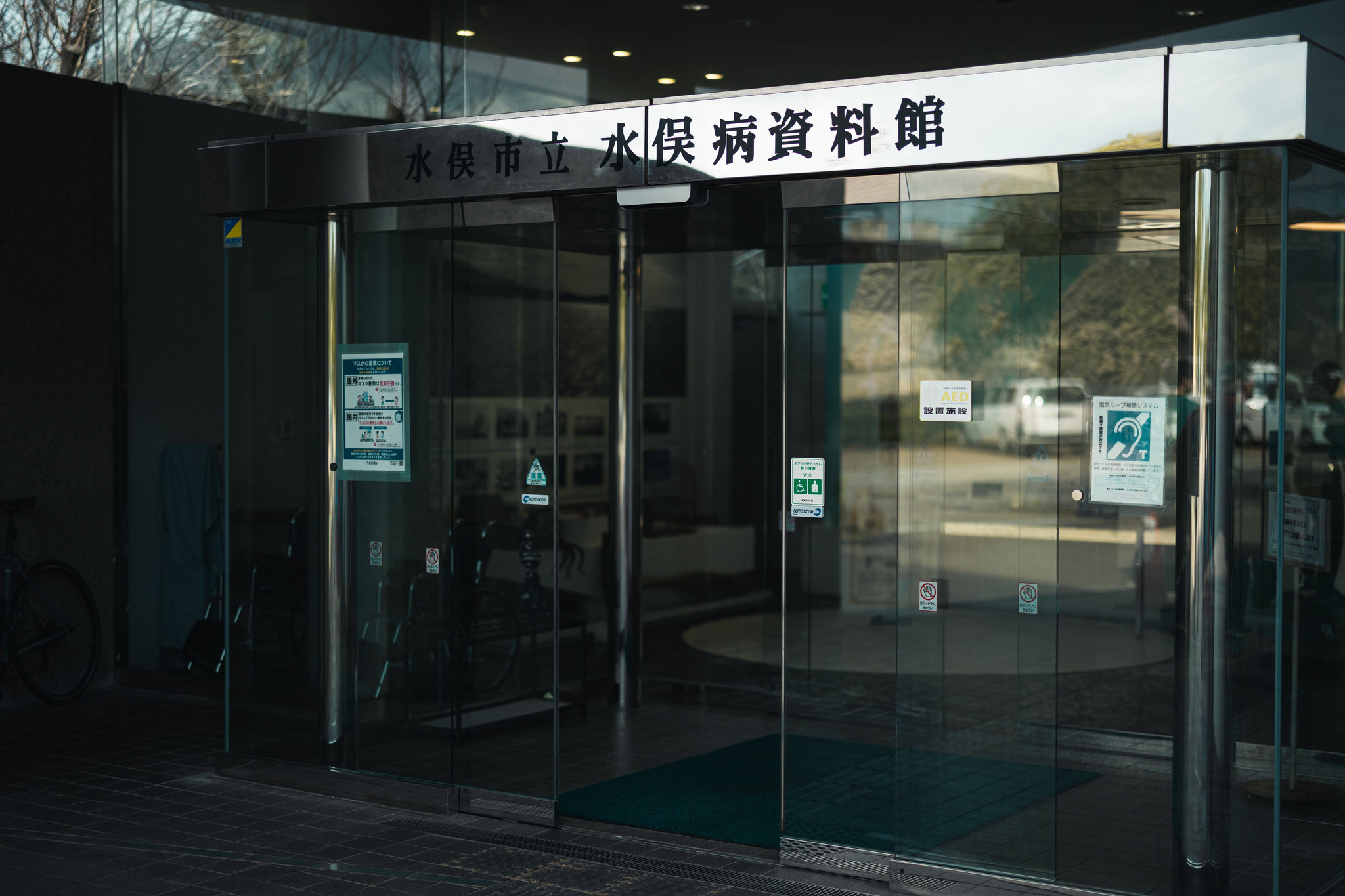
Beside the memorial, the Minamata Disease Municipal Museum documents what happened to the people living around this bay.
In 1956, cases of a previously unexplained neurological illness were officially reported in Minamata. Methylmercury discharged in wastewater from the Chisso chemical factory had accumulated in fish and shellfish. People eating the local catch were poisoned, suffering damage to the nervous system that could affect movement, sensation, sight and hearing. Severe cases were fatal. The illness became known as Minamata disease.
Dealing with the contaminated seabed eventually changed the outline of the bay. A project carried out between 1977 and 1990 dredged and contained mercury-contaminated sludge, creating 58 hectares of reclaimed land. Eco Park Minamata was developed on that land.
The bay’s fish were part of the clean-up too. From 1974, a net closed off the bay so that contaminated fish could not swim out; at its longest, it stretched 7.5 kilometres. Fish caught inside were incinerated, or packed into drums and buried with the sludge.
The clean-up had become the ground beneath the park.
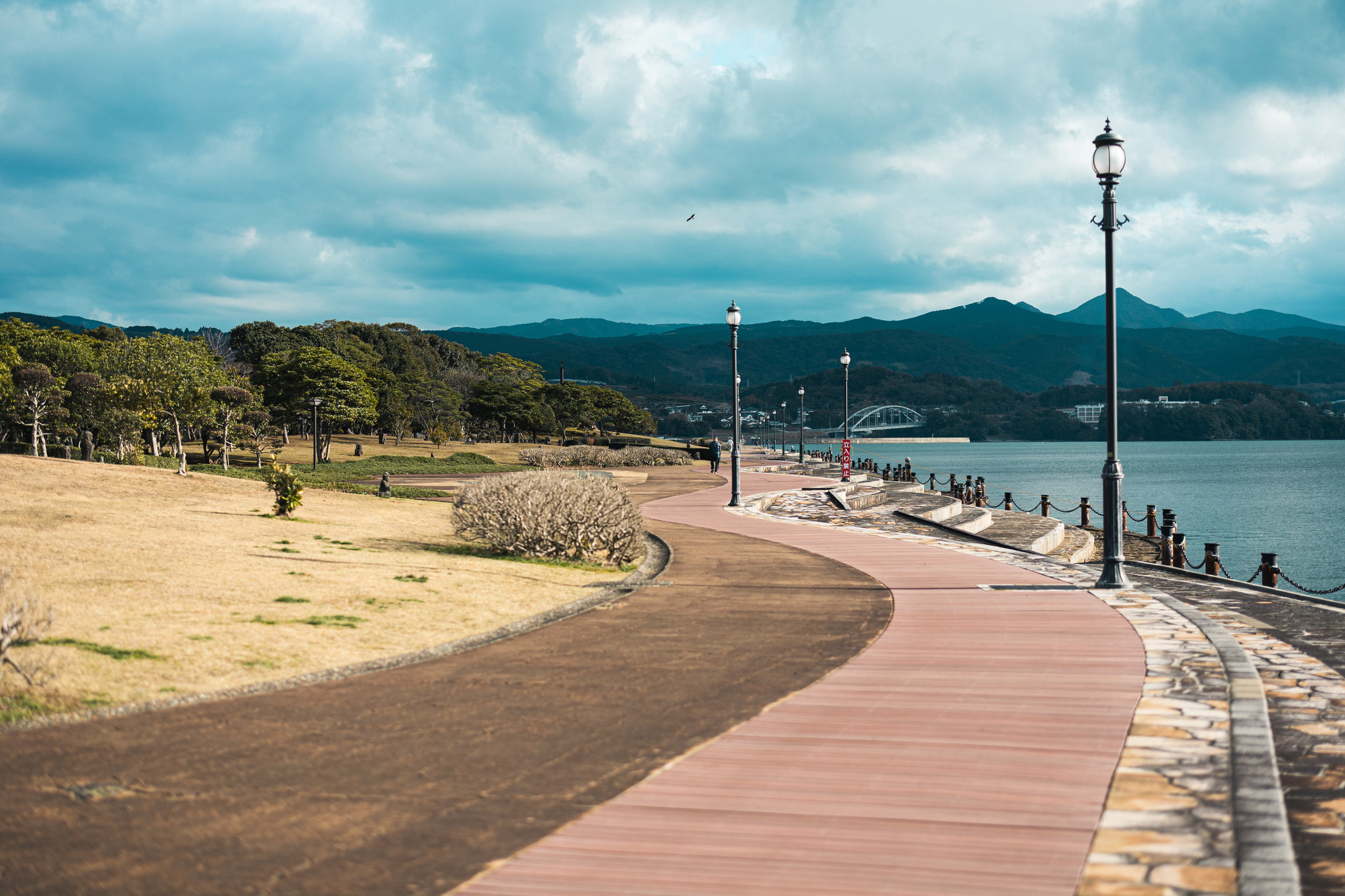
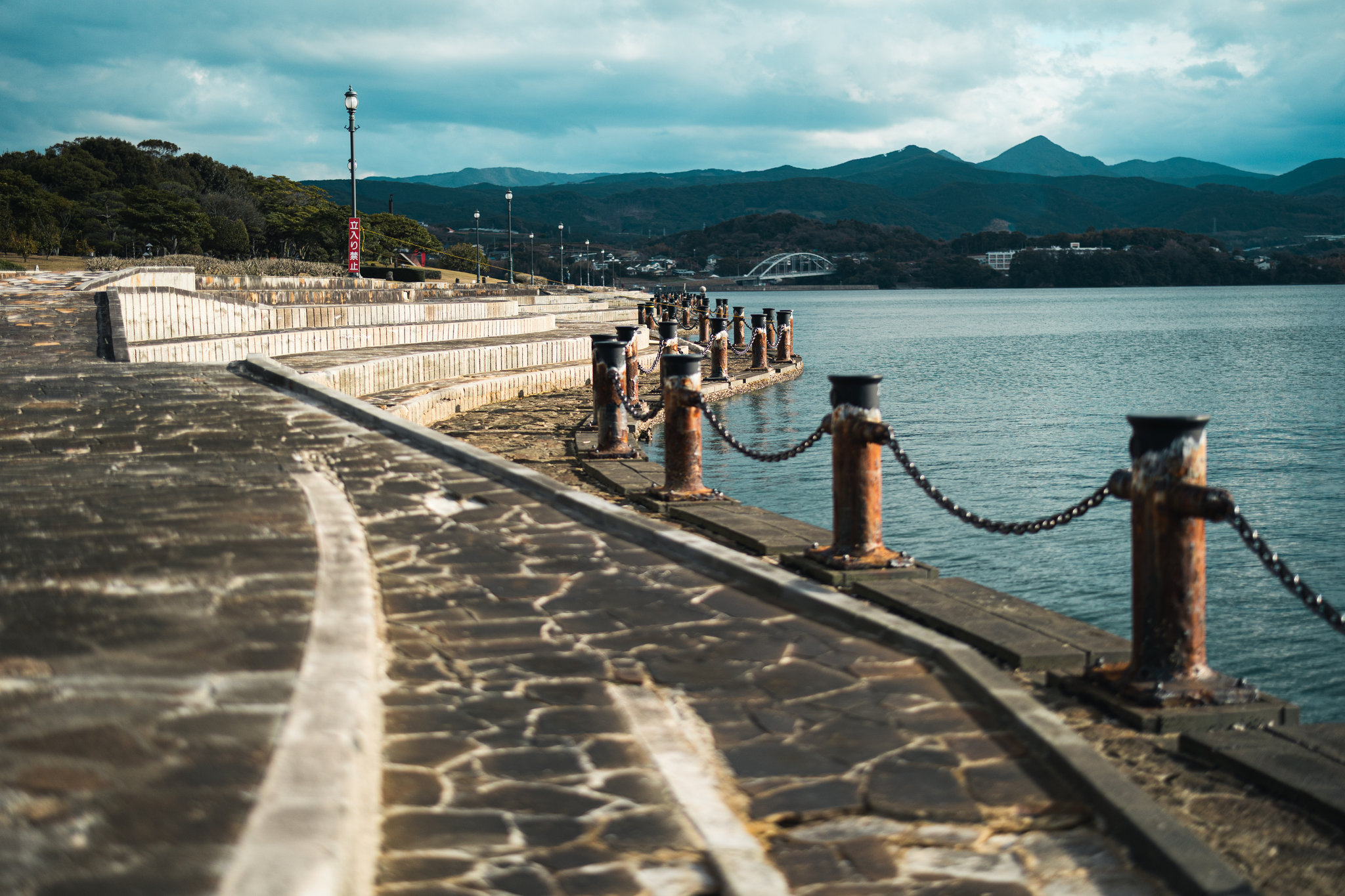
Along the waterfront, a broad path curved between pale grass and the sea. Small stone figures stood on the lawn, and a line of lamps followed the shore.
How to use a memorial
The silver spheres give that history a place in the present landscape. There are 108 of them, arranged across stepped terraces designed to suggest a sandy shore. Their possible meanings include the souls of those who died and the fishing lights of the Shiranui Sea, the wider sea into which the bay opens.
Designed by the Italian architect Giuseppe Barone, the memorial was completed in 1996, forty years after the disease was officially recognised. It honours the victims and passes on the lessons of what happened here, with the intention that it should never happen again.
Barone wanted people to walk, rest, think and remember. Those ordinary uses were part of what would bring the work to life. The terraces leave room for a visitor to spend time with the view.
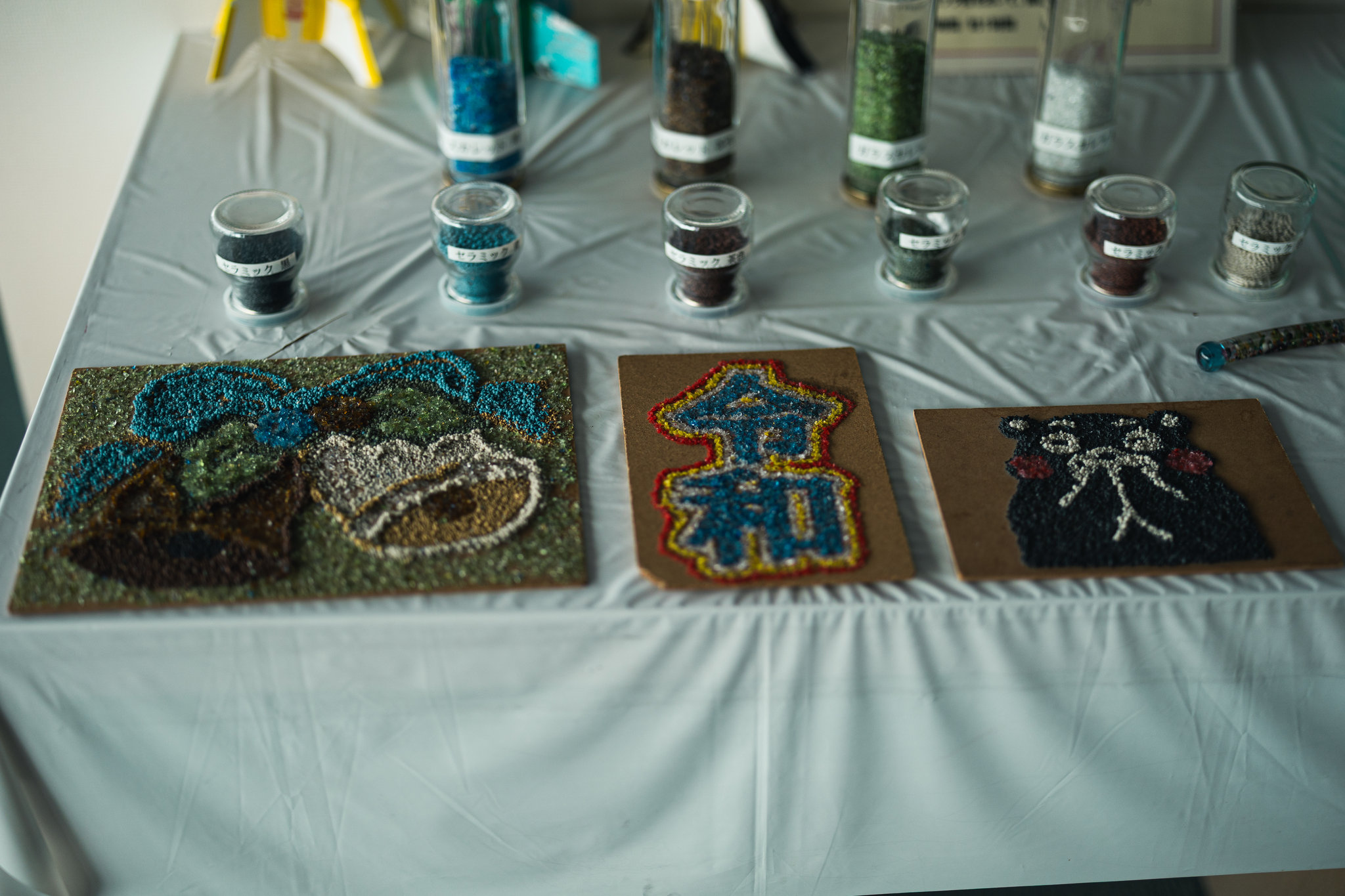
Nearby, the Kumamoto Environmental Center takes a broader look at environmental issues. Its activities include making pictures from discarded glass and ceramics. Materials that would otherwise be thrown away become something to work with.
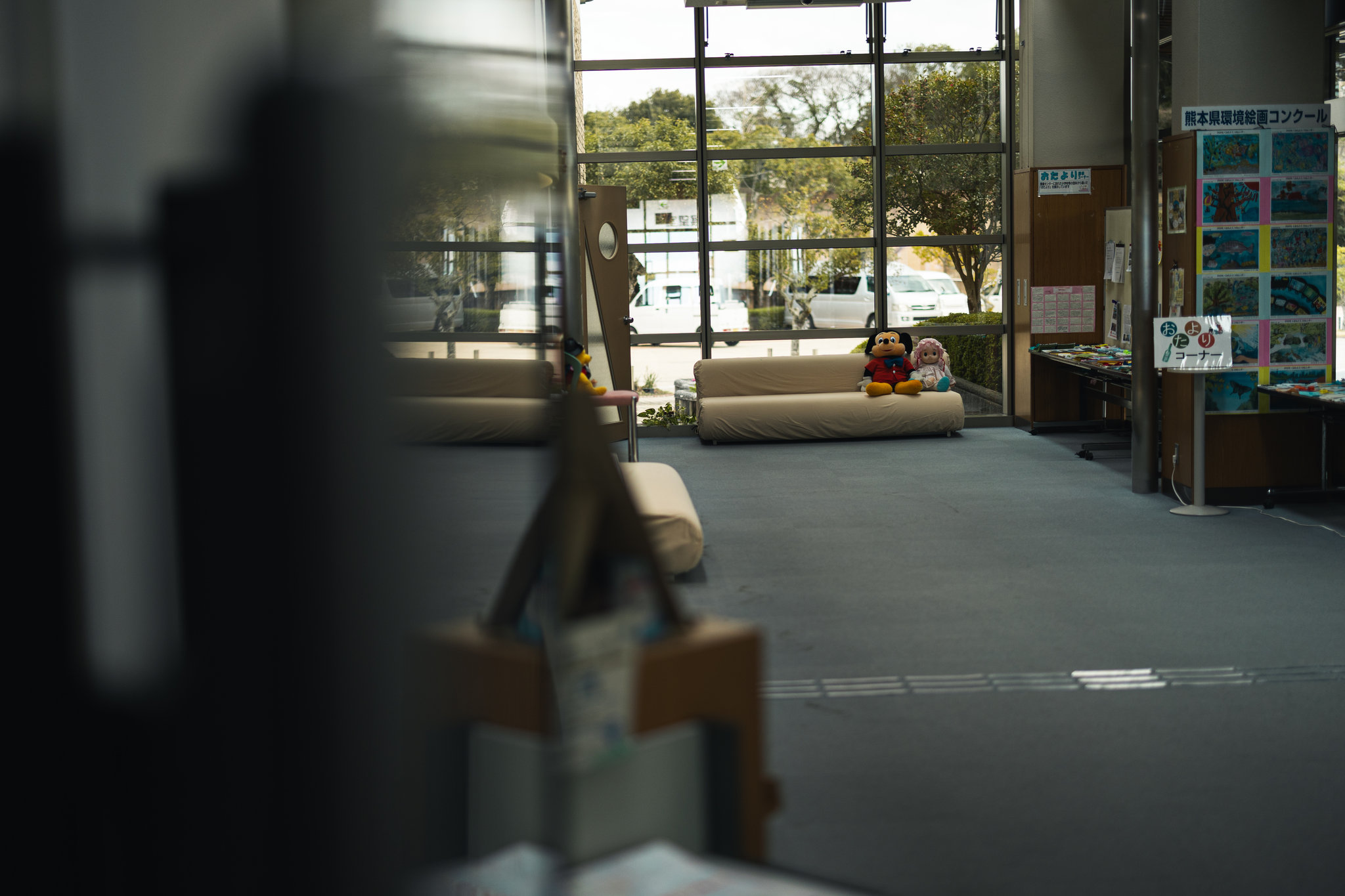
There were quieter details indoors, too: a bright window at the end of a hall, a sofa beneath it, and soft toys occupying one end.
Back to the water
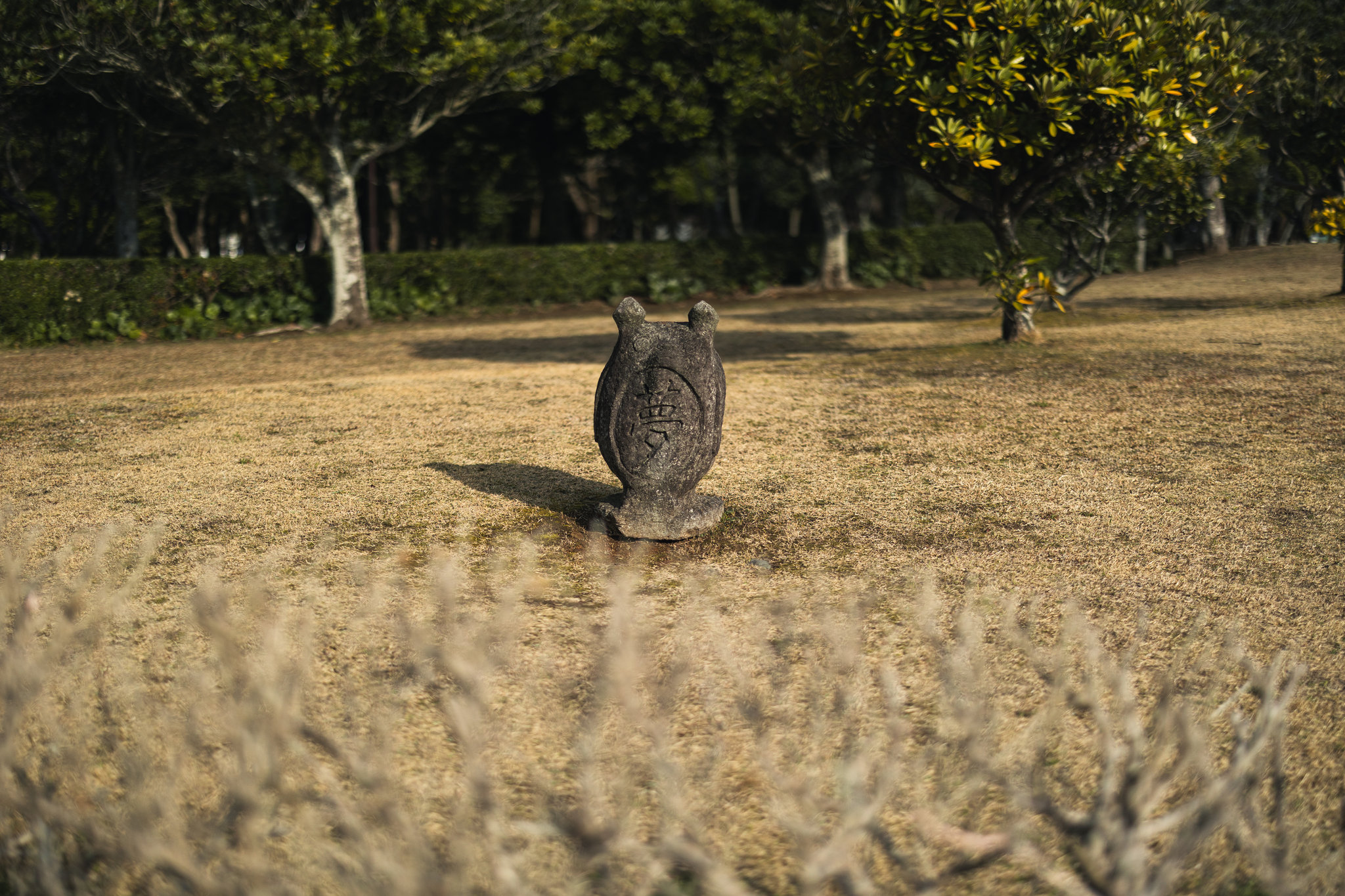
On the lawn, a small stone figure had two rounded points on its head and the character for “dream” carved into its body. There was no sign to explain it.
Hand-carved stone figures have been placed along this waterfront. Many were made by people who lost family members to Minamata disease, to console every life the disease took.
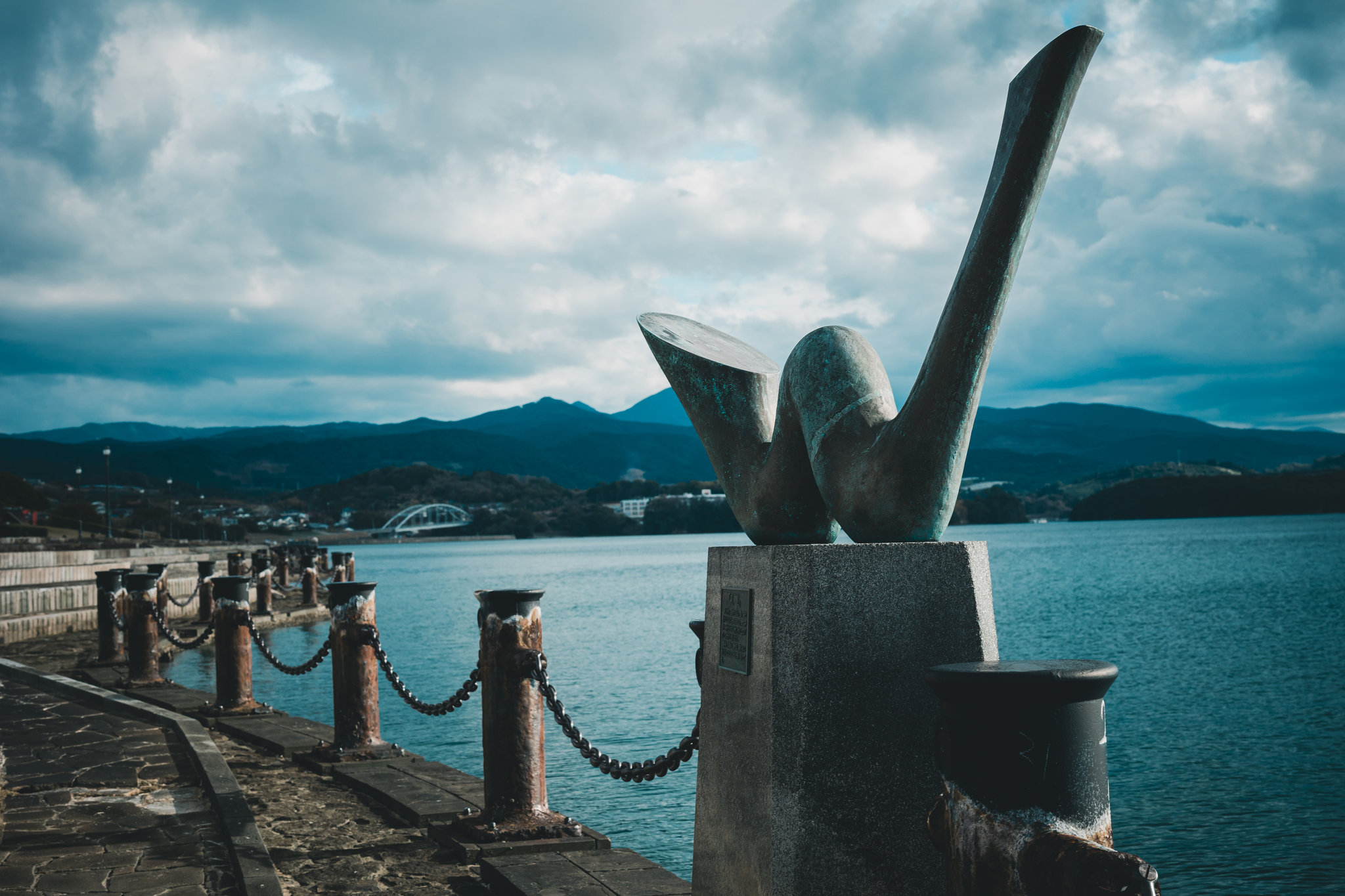
At the waterfront, a green-patinated sculpture rose against the clouds. Its narrow, angular forms stood above a square pedestal, with the bay stretching away behind it. Farther along, chains hung between weathered posts beside the water, leading the eye towards the mountains.
The sea remained in sight through much of the walk: beyond the lawn, behind the sculpture, between the posts along the shore. The memorial’s warning concerned the same water that made this such a good place to spend an afternoon.
The net across the bay came down in October 1997, twenty-three years after it went up, once the prefecture had declared the bay safe.
In 2011, the waterfront facing Koiji Island was even certified as one of Japan’s “Lovers’ Sanctuaries.”
The architect wanted people to linger. With this view, I needed little encouragement.
Visit this place
Location
Minamata Memorial (水俣メモリアル), Eco Park Minamata
The pin marks the Minamata Memorial beside the municipal museum; the article also follows the wider waterfront park.
55-7 Myojincho, Minamata, Kumamoto 867-0055, Japan
Practical Information
- Area
- Myojincho, Minamata, Kumamoto
- Access
- About 10 minutes by bus or taxi from Minamata Station, or about 20 minutes from Shin-Minamata Station. By bus, alight at Minamata-byō Shiryōkan-shita (水俣病資料館下) for the museum and memorial
- Opening hours
- Minamata Disease Municipal Museum and Kumamoto Environmental Center: 9:00–17:00; last admission 16:30
- Closing days
- Museum: Mondays (next weekday when Monday is a public holiday); environmental center: Mondays (following day when Monday is a holiday). Both close December 29–January 3; temporary closures may also occur
- Admission
- Free for the museum and environmental center
- Parking
- Free parking below the municipal museum and environmental center
- Accessibility
- The ramp up to the Minamata Memorial is closed because of a wall-collapse risk. Use the north stairs; if you cannot use stairs, check access with the municipal museum before visiting. Official closure notice
Information last checked: September 24, 2026 (memorial access notice, indoor-facility hours, admission, parking, bus access and address). Outdoor waterfront hours were not verified.
Conversation
Comments
Review pending commentsComments are reviewed before appearing. The internet already contains enough unattended surprises.
Checking comments…
Comments are not available in this migration preview yet. Existing comments remain on the current site.
Leave a comment