Row House in Sumiyoshi: Bring an Umbrella to the Bathroom
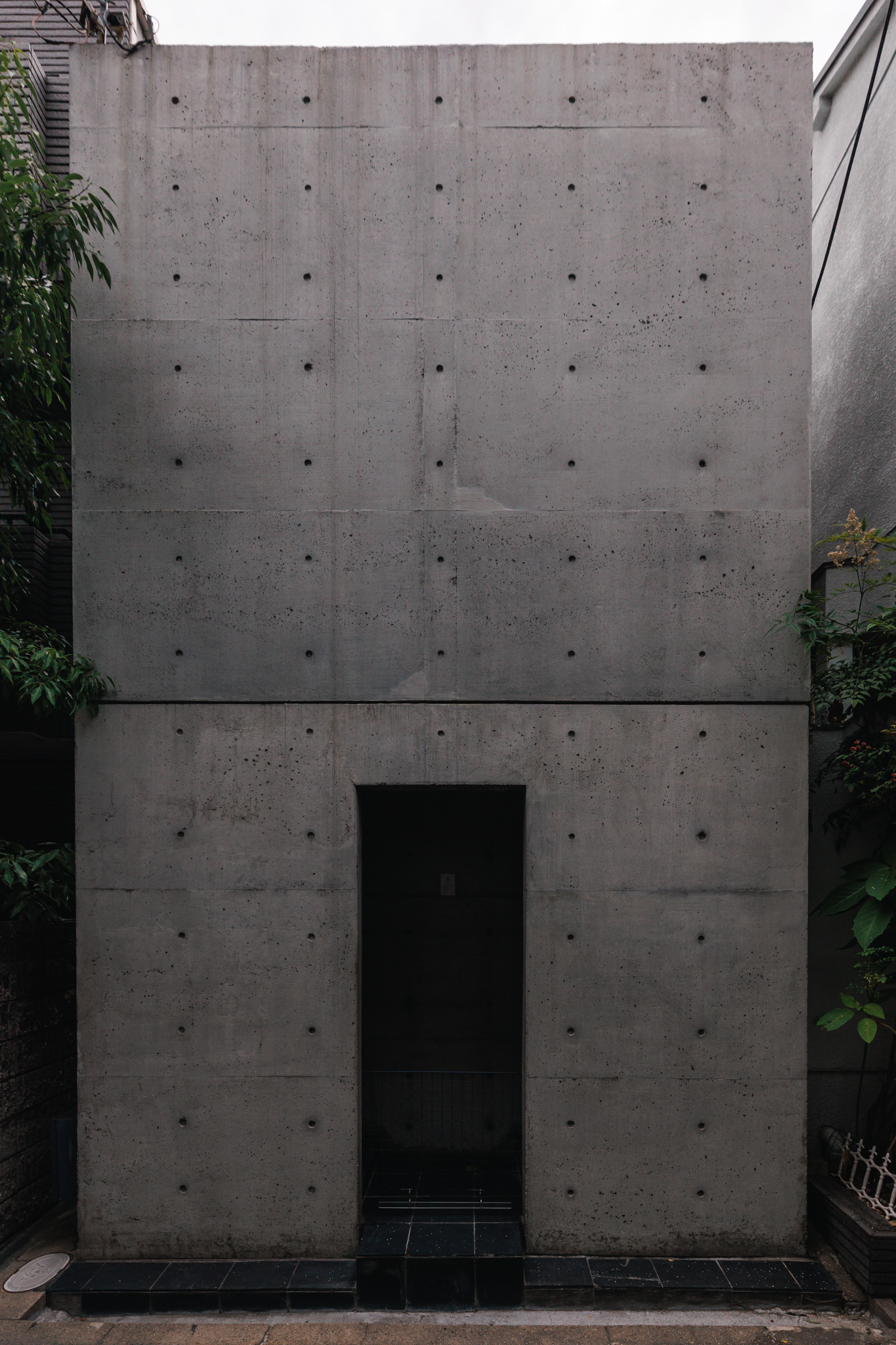
Architecture students tend to know this house’s floor plan well. Very few of them have seen the inside.
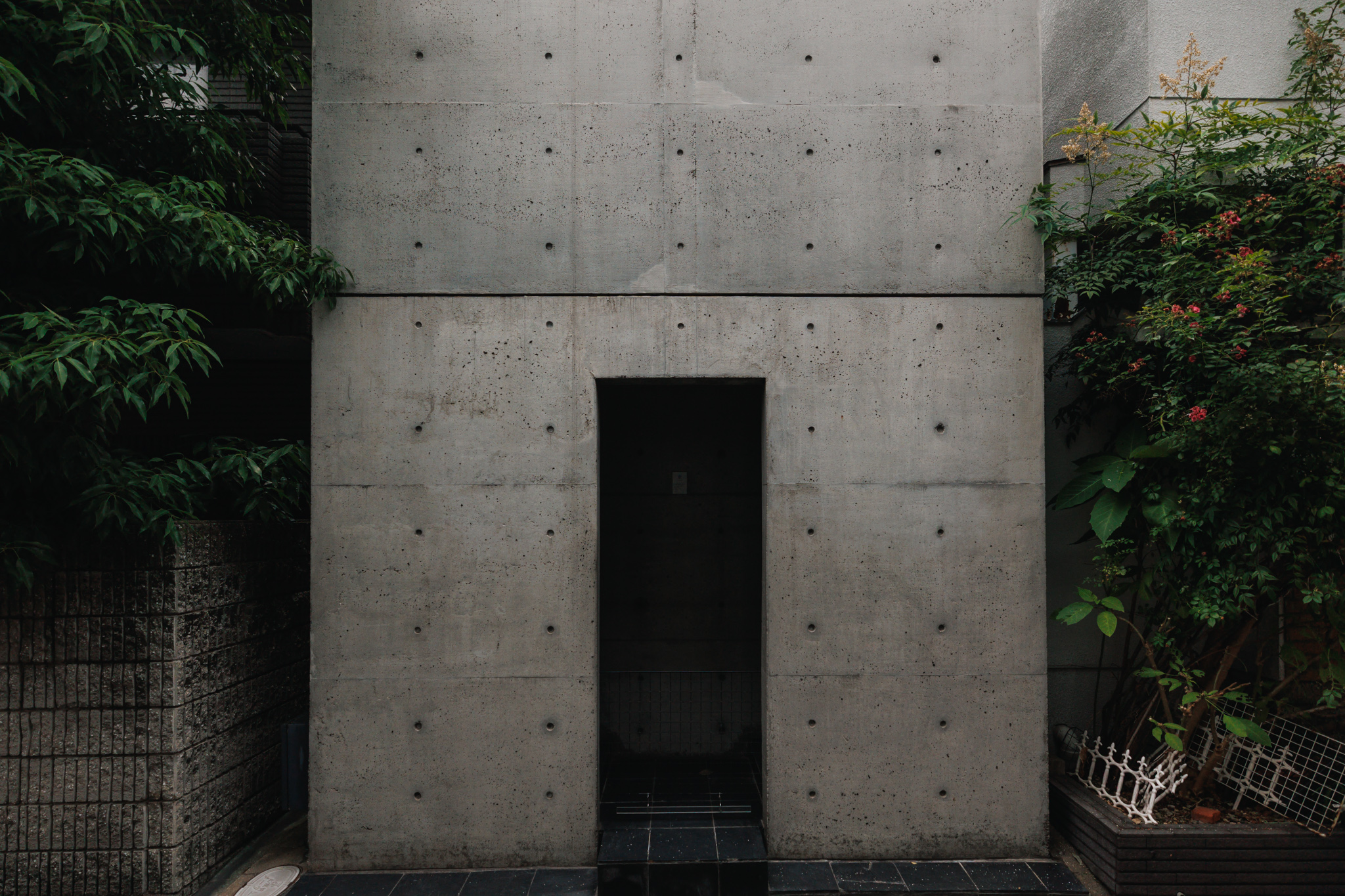
After Sumiyoshi Taisha, I walked south into the quiet residential lanes. Between two houses with trees and flowering shrubs out front stood a wall of bare concrete, two storeys high, without a single window. A doorway was set back into it. The house was keeping everything else to itself.
This is the Row House in Sumiyoshi, designed by Tadao Ando and completed in 1976. It is a private home, and people still live in it.
The middle of three
The plot was once the middle house of three, in a wooden terrace of the kind known in Japan as a nagaya. Ando had grown up in one himself. Here, the middle house was pulled down and a concrete box put in its place, under four metres wide and about fourteen deep.
A third of that box is a courtyard with no roof. On the ground floor, the living room is on one side of it, and the kitchen and bathroom are on the other. Upstairs, two bedrooms face each other across it, joined by an open bridge.
To get from one room to the next, you go outside.
On rainy days, that means an umbrella. In most houses, you check the weather before leaving. Here, you check it before going to the bathroom.
The blank wall facing the lane belongs to the same idea. The house does not look out at the street. Light and wind come in from the sky instead, through the courtyard, as Ando’s way of bringing nature into a crowded city. So does the rain. That was not an oversight. It was invited.
Advice from the architect
The house soon had a reputation for being hard to live in. It was hot in summer and cold in winter. Ando’s advice was simple: if it is hot, take something off; if it is cold, put another layer on; and if it is still cold, put up with it.
Years later, according to one account, it was Ando who suggested it might be time to put a roof over the courtyard. The residents declined. Having come this far, they said, they would carry on as they were.
A prize, and a plaque
In 1978, the house was put forward for the Isoya Yoshida Prize. Tōgo Murano, one of the most respected architects of the older generation, chaired the selection committee and went to see it. It was not bad, he is said to have concluded, but the client who had it built and went on living in it deserved more credit than the architect. The prize, he suggested, should go to the client.
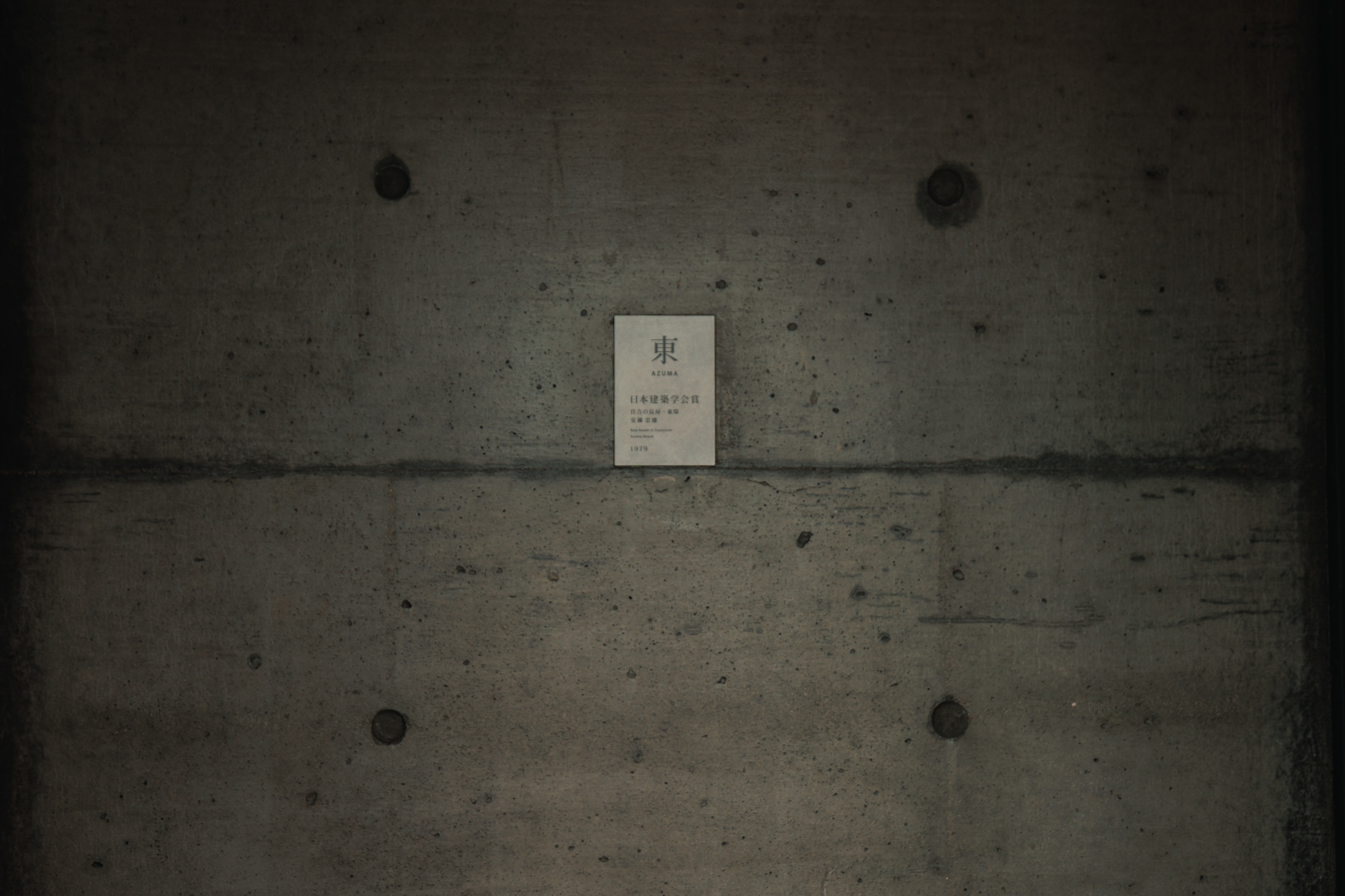
The following year, the house won the Prize of the Architectural Institute of Japan. It was the first big step in a career that would later take in the Church of the Light and, in 1995, the Pritzker Prize.
From the lane, I could see only one thing inside the doorway: a small plaque on the back wall.
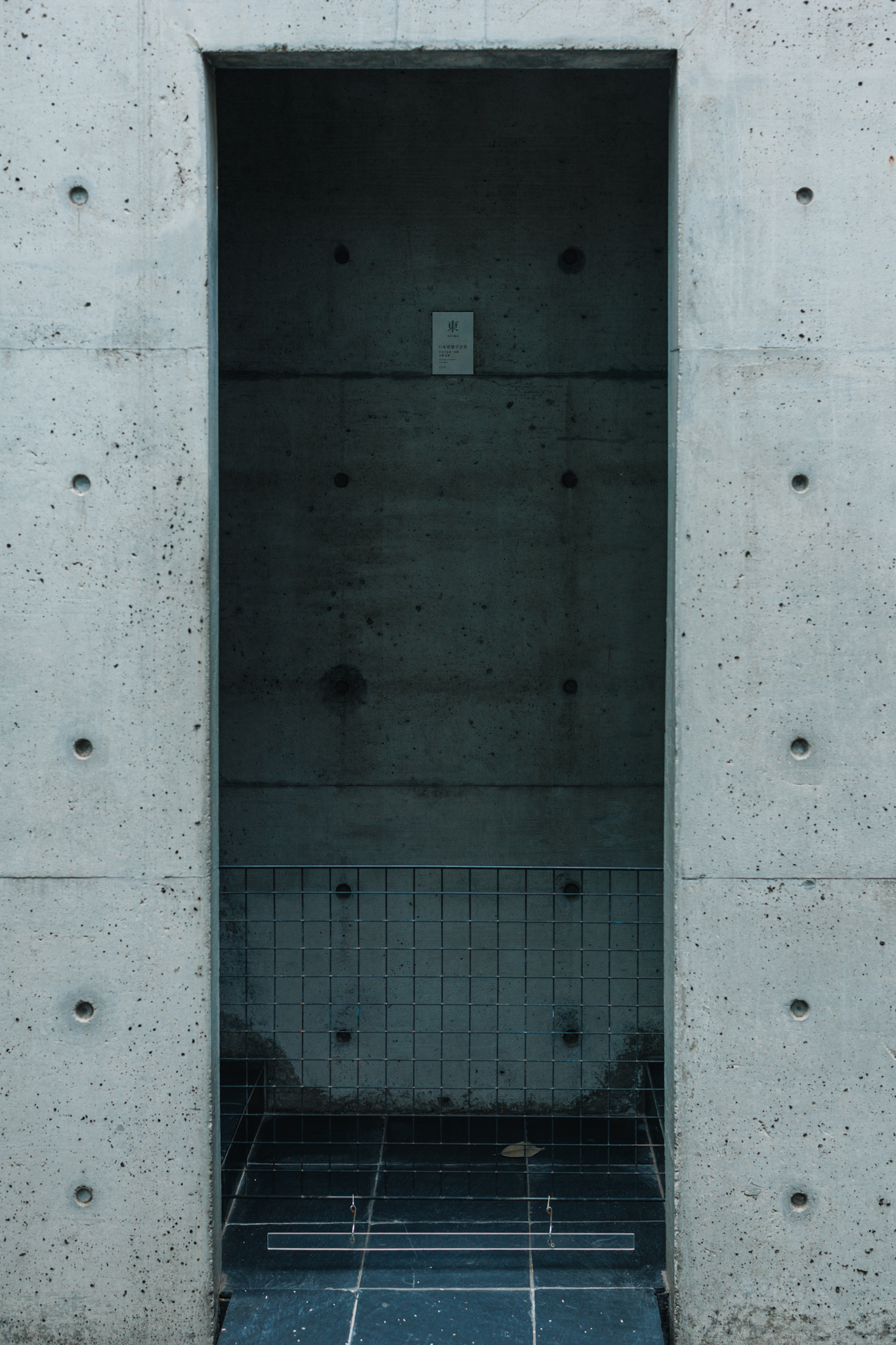
It serves as the nameplate. Most nameplates tell you who lives in a house. This one also mentions what the house won.
Fifty, and still lived in
In March 2025, Osaka Prefecture added the house to its register of cultural properties. I visited less than three months later. In July 2026, Japan’s Council for Cultural Affairs recommended it for national registration as a Registered Tangible Cultural Property, the first of Ando’s buildings to be put forward. Buildings generally become eligible once they are fifty years old. This one turned fifty that year.
The house is now a cultural property, and getting to the bathroom still involves an umbrella.
Murano thought a prize should go to the people who lived there. On the nameplate, at least, their name is the largest thing on it.
Location
Area
Sumiyoshi Ward, Osaka (住吉区)
The map shows Sumiyoshi Ward rather than the house itself. The Row House in Sumiyoshi is a private home, and the residents still live there.
Sumiyoshi-ku, Osaka, Japan
Practical Information
- Place
- Row House in Sumiyoshi (住吉の長屋)
- Area
- Sumiyoshi-ku, Osaka, in the residential lanes south of Sumiyoshi Taisha
- Viewing
- The façade can be seen from the lane. The house is a private residence and is not open to the public.
- Visitor note
- People live here. Keep your voice down and your visit brief, do not block the lane or step into the entrance, and do not photograph the residents or anyone coming or going.
- Cultural property status
- Osaka Prefecture Registered Cultural Property (March 2025). Recommended in July 2026 for national registration as a Registered Tangible Cultural Property.
- Access
- Sumiyoshi Taisha is next to Sumiyoshitaisha Station (Nankai Main Line) and Sumiyoshitoriimae tram stop (Hankai Line).
Information last checked: September 29, 2026 (viewing status, cultural property status and access to Sumiyoshi Taisha).
Conversation
Comments
Review pending commentsComments are reviewed before appearing. The internet already contains enough unattended surprises.
Checking comments…
Comments are not available in this migration preview yet. Existing comments remain on the current site.
Leave a comment