Maruoka Castle: 67-Degree Stairs Under a 120-Tonne Stone Roof
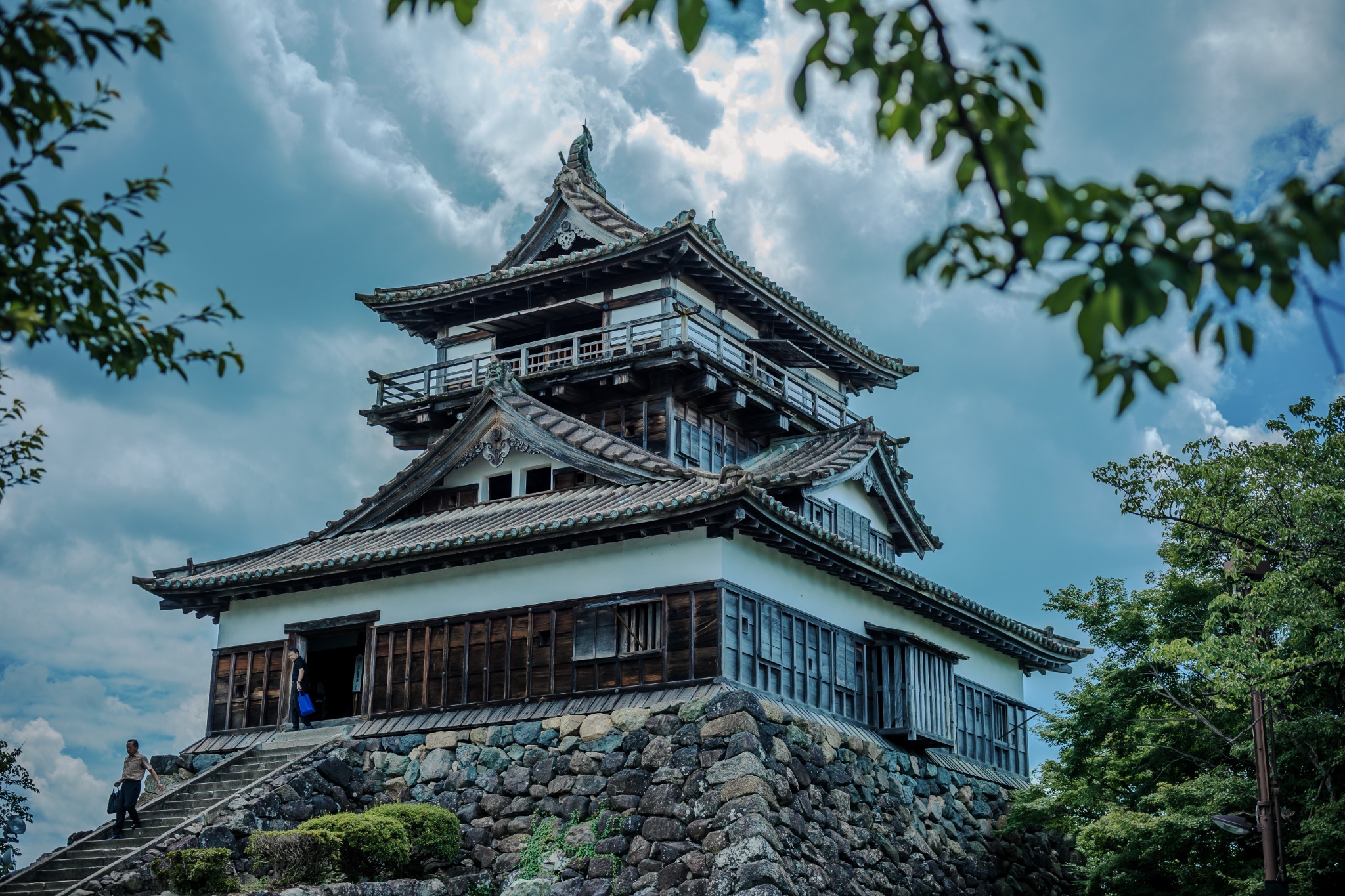
Maruoka Castle looked like the castles I had imagined while watching old samurai films. Getting upstairs required rather more participation.
Standing above the town of Maruoka in Fukui, the keep has white plaster walls, dark timber and tiled roofs rising from a stone base. From outside, it appears to have two storeys. Inside, it has three.
The extra floor comes with a staircase that makes you earn it.
The castle continues inside
Wooden floors run beneath exposed columns and beams. You can see the structure around you, right down to the uneven shapes of the timber.
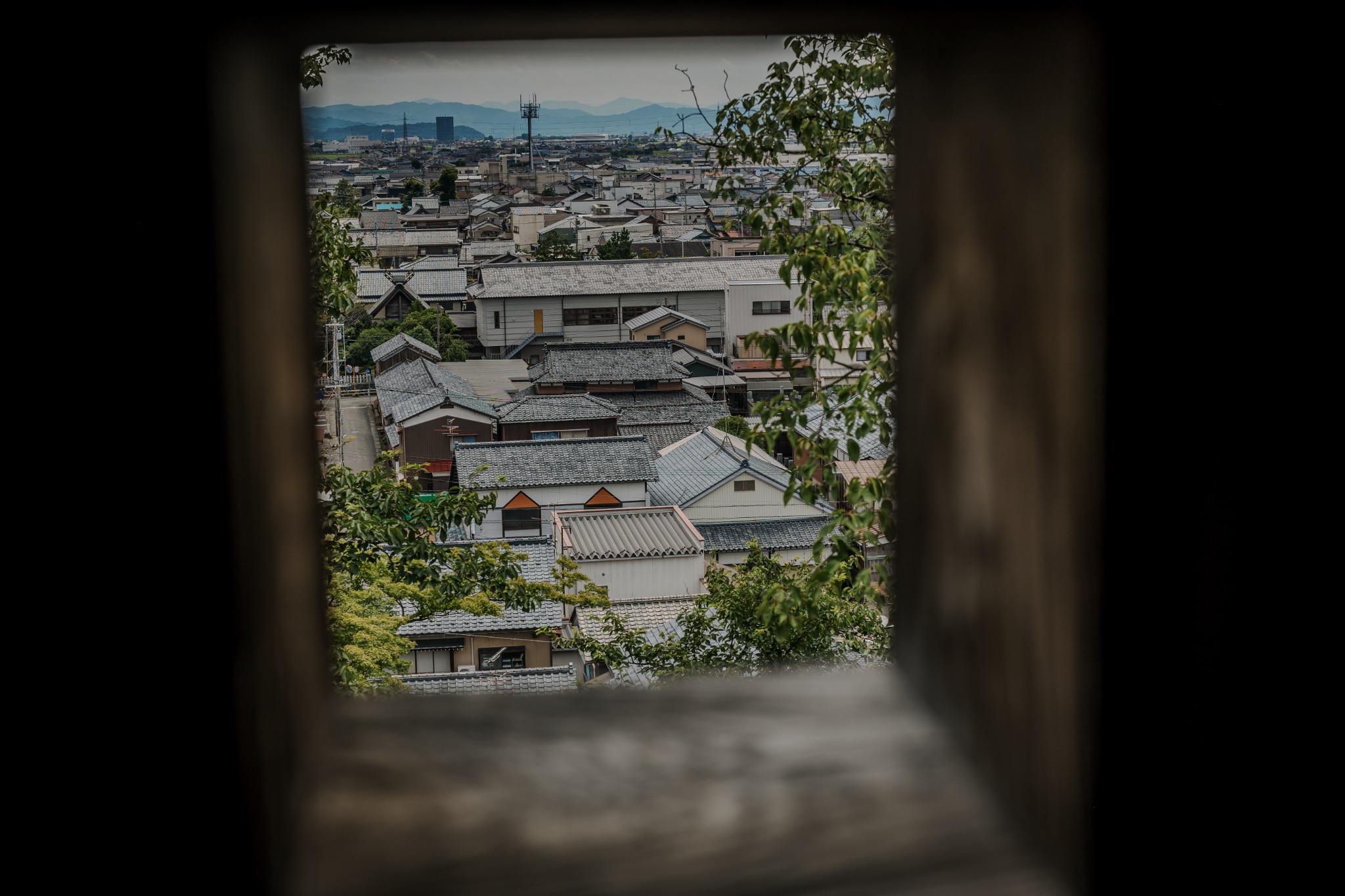
Through a wooden opening, the modern town below looks strangely separate from the room around you. It is an easy place to linger and imagine another century.
The staircase brings your attention back to your feet.
Sixty-five degrees is apparently a staircase
That is the angle of the staircase from the first floor to the second. The next one reaches 67.
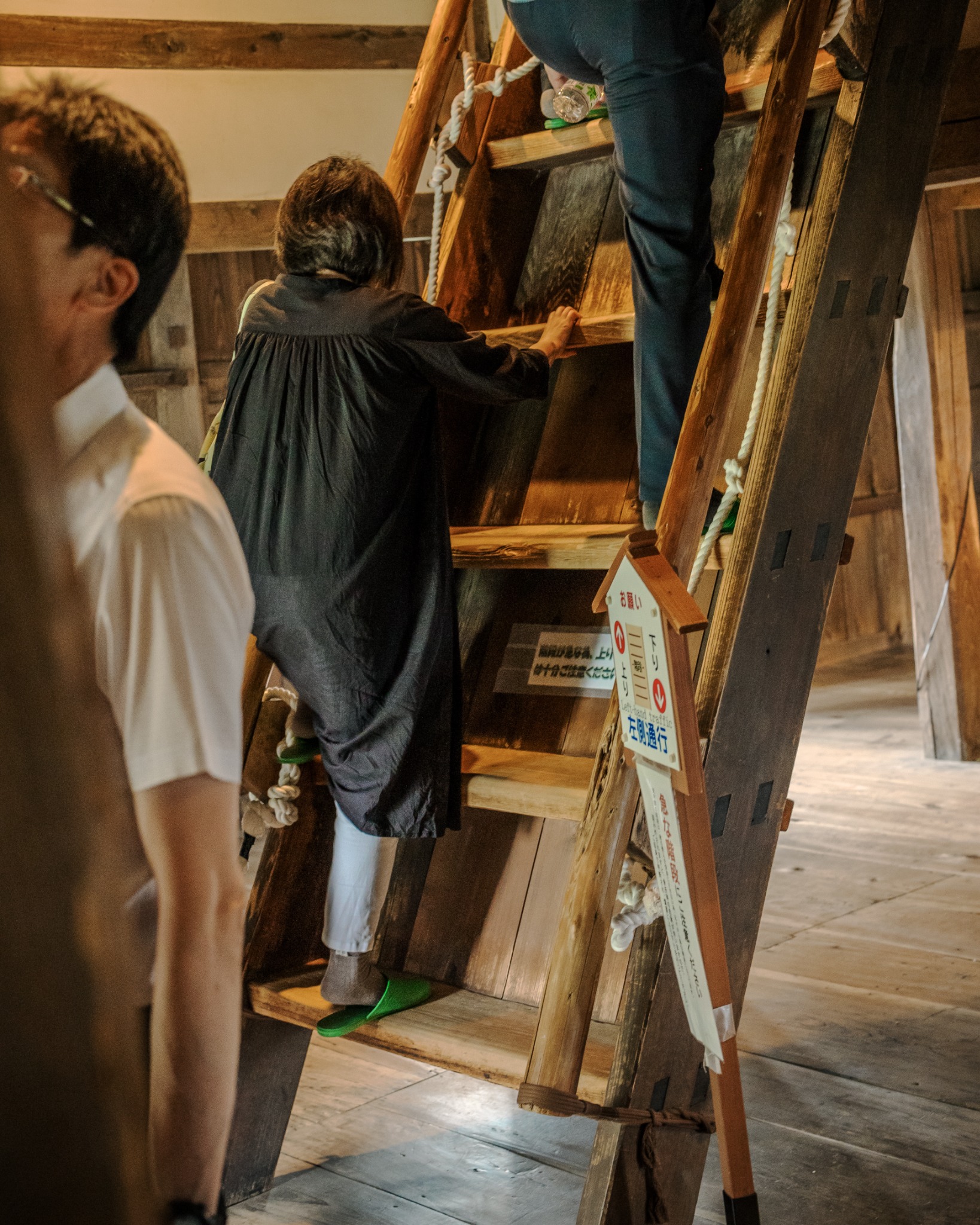
At these angles, the distinction between a staircase and a ladder begins to feel unnecessarily bureaucratic.
You do not simply arrive on another floor. You climb through narrow spaces with timber underfoot and gravity taking an increasingly active interest in the visit. The castle sets the terms; your task is to get upstairs.
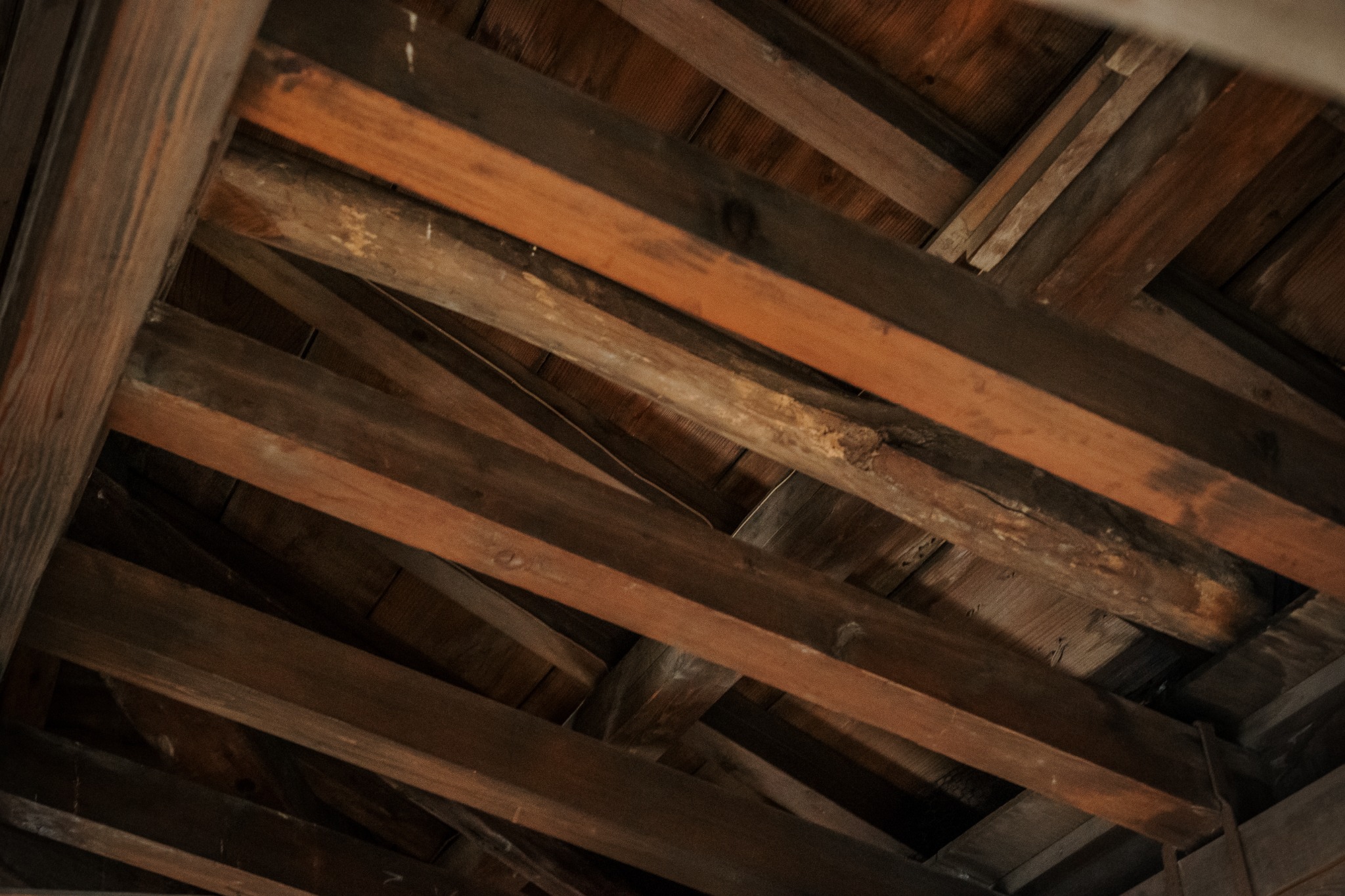
On the upper floor, dark, uneven beams cross directly overhead, with no ceiling concealing the roof frame.
They have quite a load to carry. Maruoka is the only one of Japan’s twelve surviving premodern keeps with a stone-tiled roof: roughly 6,000 tiles, individually weighing around 20 to 60 kilograms, with a combined weight of about 120 tonnes. The stone tiles replaced an earlier, lighter wood-shingle roof. The usual explanation is the climate: in winters this cold and snowy, ordinary clay tiles can freeze and crack.
I had been concentrating on getting one person upstairs. The building was handling considerably more.
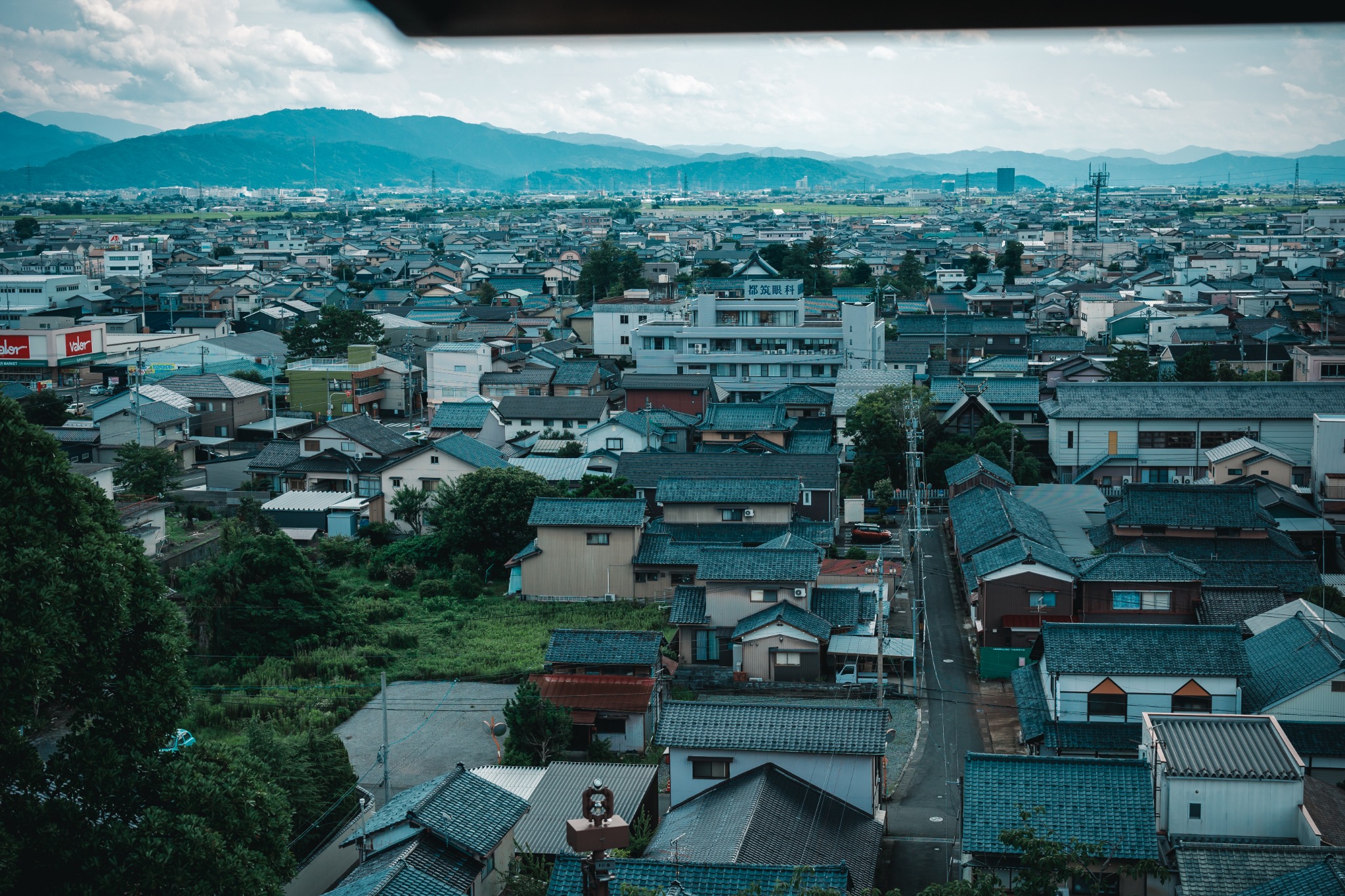
From the upper floor, the town and the surrounding Sakai Plain spread outward towards the mountains. After the enclosed timber rooms and steep climb, there is suddenly a great deal of space to look into.
A keep worth putting back together
Maruoka was long described as Japan’s oldest surviving keep, but later scientific research dated the present structure to between 1624 and 1644.
Four centuries is still plenty old enough. More surprising is how much had to happen for those centuries to remain something you could walk through.
Legend offered the castle a guardian. Its other name, Kasumi-ga-jō—Mist Castle—comes from the story of a great serpent that would breathe out mist to hide it whenever it was in danger.
Its actual rescues were less supernatural.
When the castle’s buildings were sold off during the Meiji period, local residents pooled their money to buy the keep back. It spent more than twenty years as a temple before being donated to the town in 1901 and becoming a public hall.
Then the Fukui Earthquake of 1948 brought down both the keep and its stone base.
Its restoration had an unusual advantage: detailed records from dismantling and repair work completed just six years before the earthquake. Those records helped guide the rebuilding, funded with the help of donations from across the country and completed in 1955. More than 70 percent of the principal structural timbers were reused.
One former part of the roof remains a more visibly damaged witness.
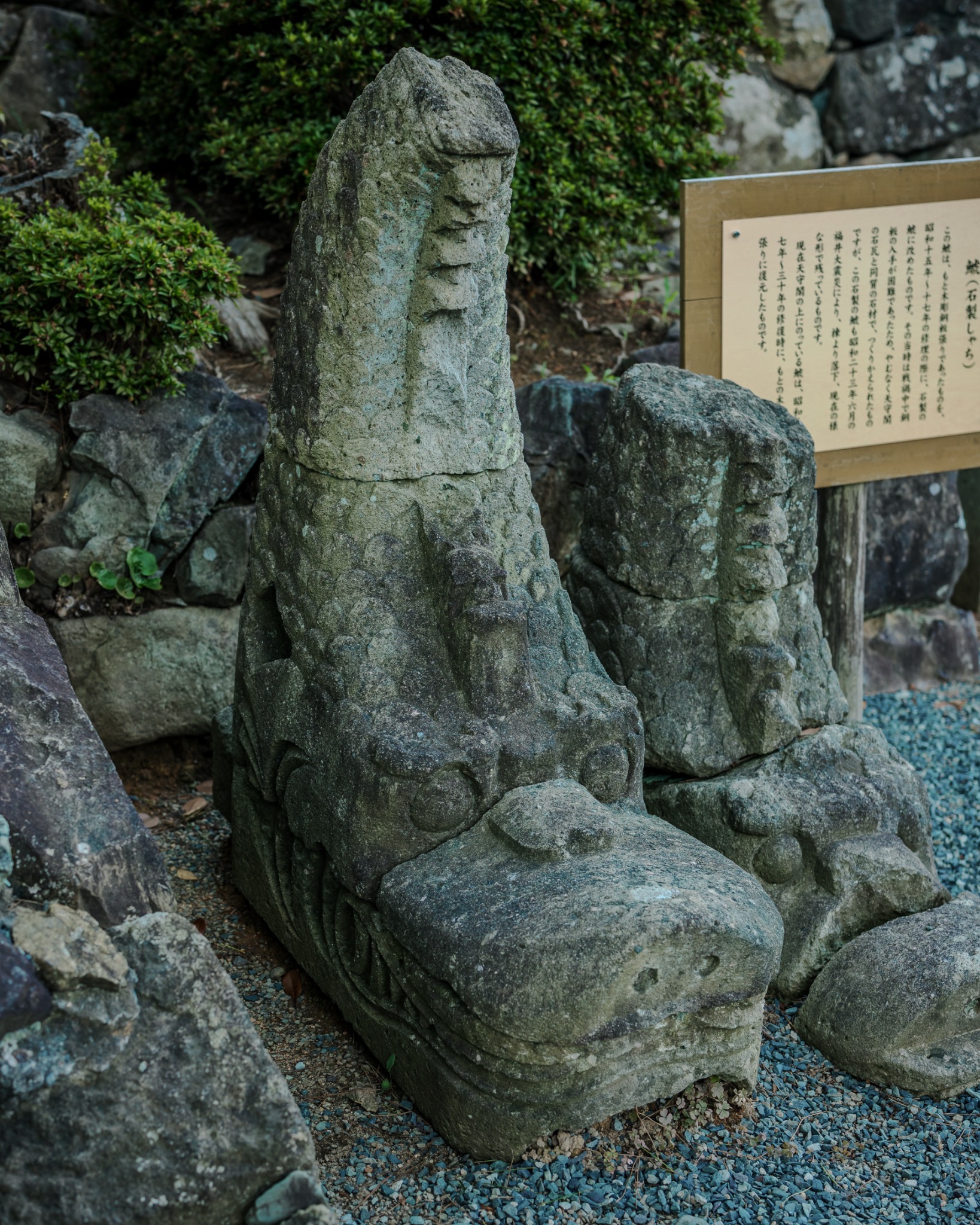
This is a shachi, one of the fantastic creatures used as castle roof ornaments. Wartime copper shortages had led to Maruoka’s copper-clad wooden shachi being replaced with stone ones. This replacement fell and broke during the earthquake.
Beside it, the restored keep looks less like something that simply survived and more like something people repeatedly decided to keep.
And then there is the stone coffin
The castle hill also holds something much older than the keep.
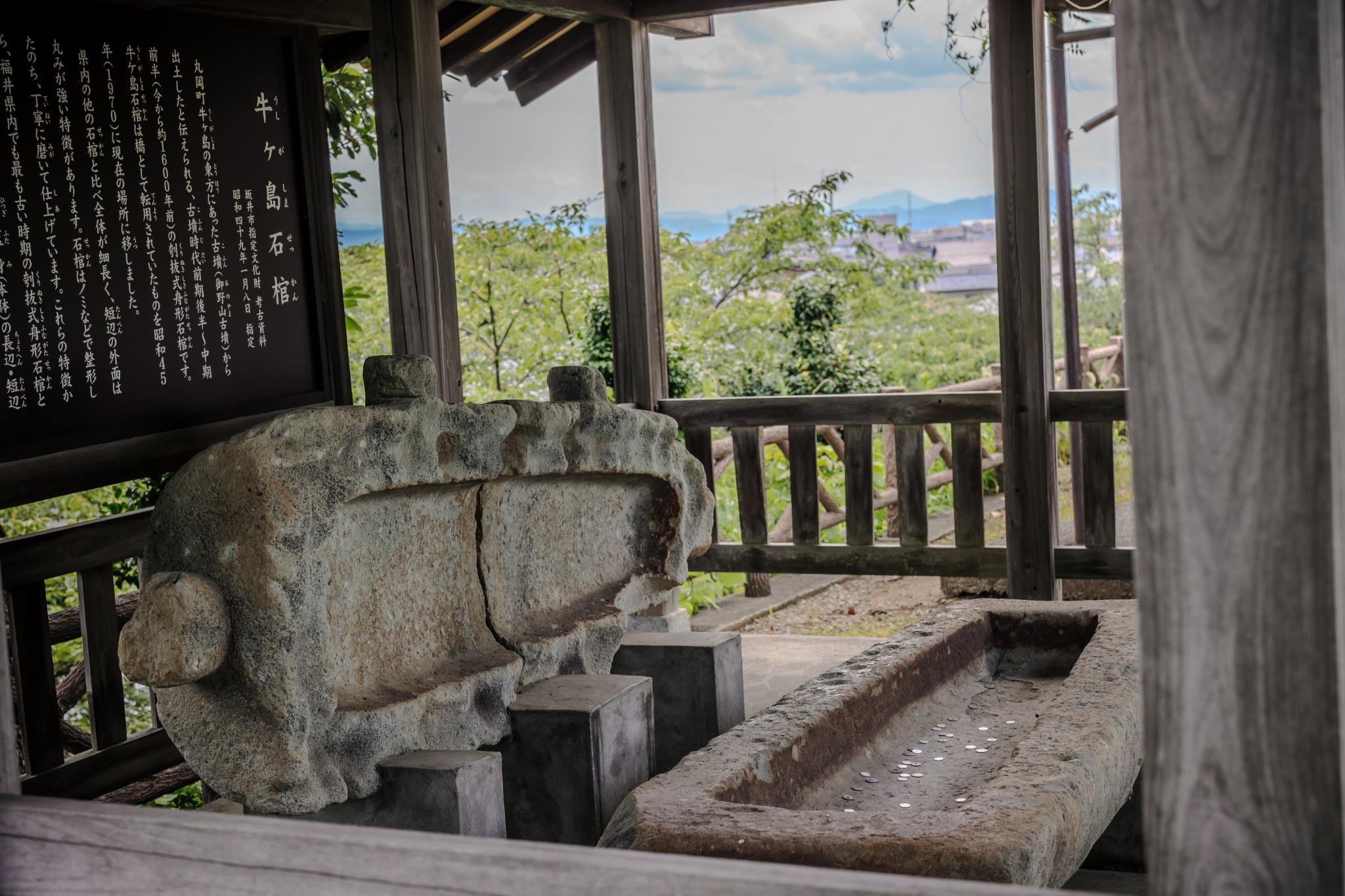
This is the Ushigashima stone coffin, a Kofun-period sarcophagus. At some point in its long afterlife, it was reused as part of a bridge.
A keep that became a temple and a public hall; a coffin that became a crossing. Old objects around here have occasionally been asked to take on work outside their original field.
For me, though, Maruoka felt most like a castle while I was climbing through it. The dark timber and exposed beams supplied the atmosphere. The stairs made sure I was involved.
The samurai films had prepared me for the look of the place. They had also allowed me to remain seated.
Visit this place
Location
Maruoka Castle (丸岡城)
The surviving keep stands on a low hill in Kasumicho, Maruoka, in the city of Sakai.
1-59 Kasumicho, Maruoka-cho, Sakai, Fukui 910-0231, Japan
Practical Information
- Current access
- Preservation work restricts access to the keep. Partial entry is scheduled through November 8, 2026. The third floor is closed October 26–30; no entry to the keep is planned for November 9–December 4, 2026. Views through the windows on the second and third floors are blocked during the work. Check the current work schedule before visiting.
- Normal hours
- 8:30–17:00; last admission 16:30
- Normal admission
- Adults: ¥450; elementary and junior high school students: ¥150
- Photography
- Personal photography is allowed.
- Facilities
- There are no toilets inside the keep; toilets are available in Maruoka Castle Machiyori Market. Free parking is available nearby.
- Official website
- Maruoka Castle visitor information
Information last checked: October 2, 2026 (published repair schedule and access restrictions).
Conversation
Comments
Review pending commentsComments are reviewed before appearing. The internet already contains enough unattended surprises.
Checking comments…
Comments are not available in this migration preview yet. Existing comments remain on the current site.
Leave a comment