Natsume Sōseki’s Uchitsuboi House: I Am a Cat. Still No Name?
“I am a cat. I have no name yet.”
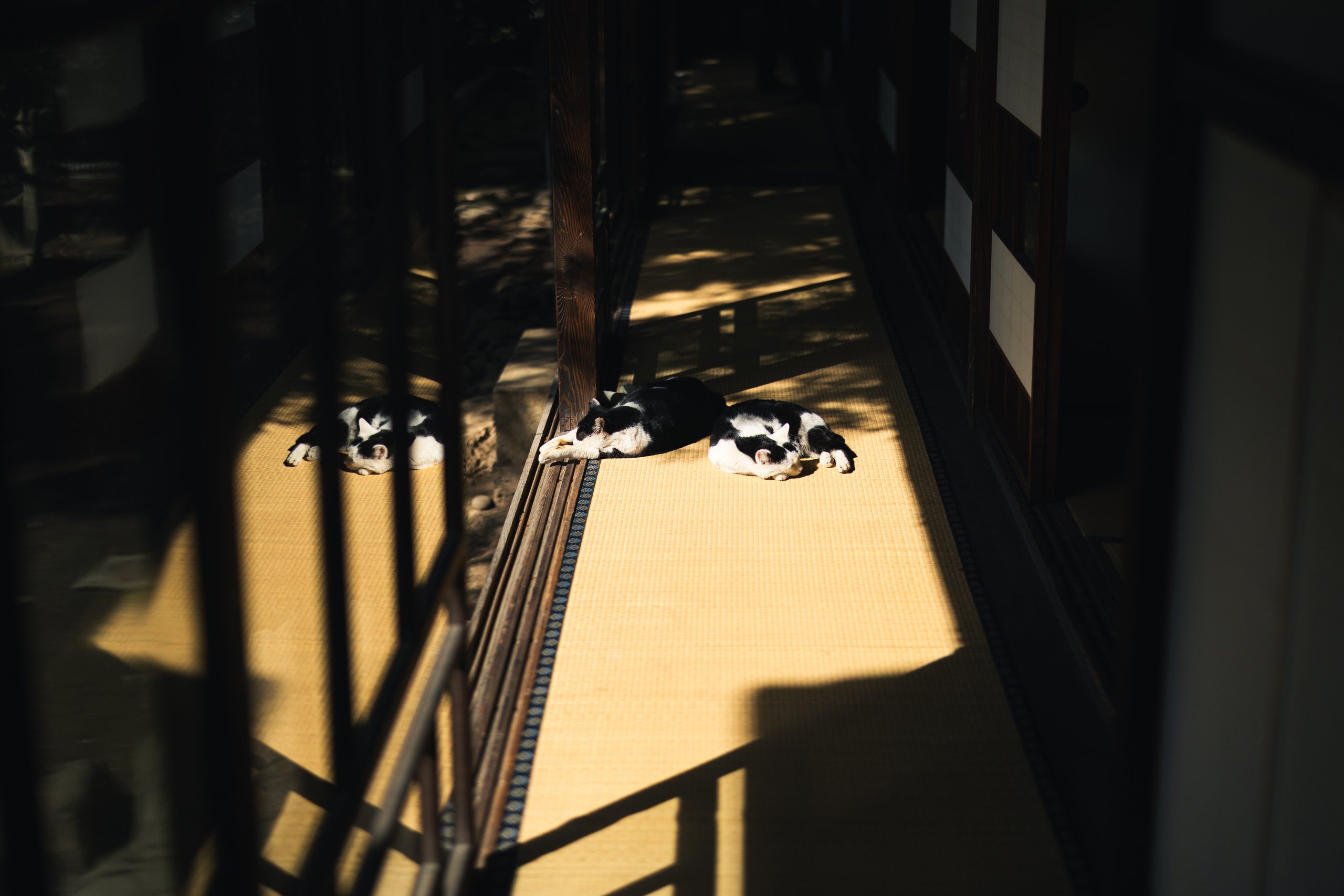
More than a century after Natsume Sōseki opened his novel with those words, two cats were lying in the sunshine at his former house in Kumamoto. I wondered whether anyone had got around to naming these ones.
One had stretched out towards the open doorway. The other had curled up beside it. A reflection in the glass added another cat to the scene without taking up any more of the sunny floor.
Neither looked troubled by the question.
Sōseki’s I Am a Cat, first published in 1905, gives a nameless feline narrator plenty to say about human behaviour. These two seemed willing to let us carry on without comment.
A house worth staying in
Sōseki lived in Kumamoto, on the island of Kyushu, from 1896 to 1900, teaching English at the Fifth Higher School, now part of Kumamoto University. His career as a novelist was still ahead of him.
He occupied six houses during those four years. Uchitsuboi was the fifth.
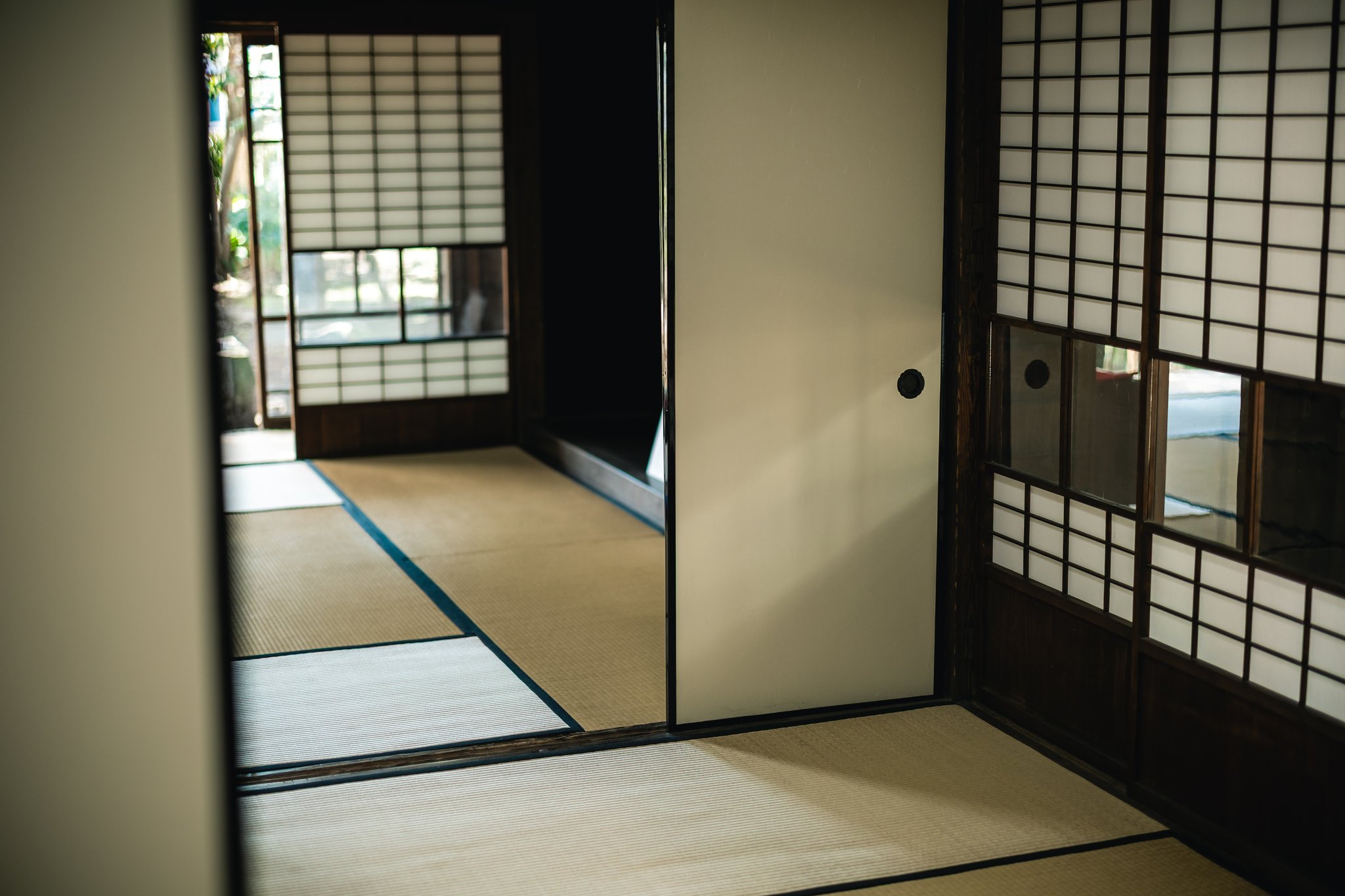
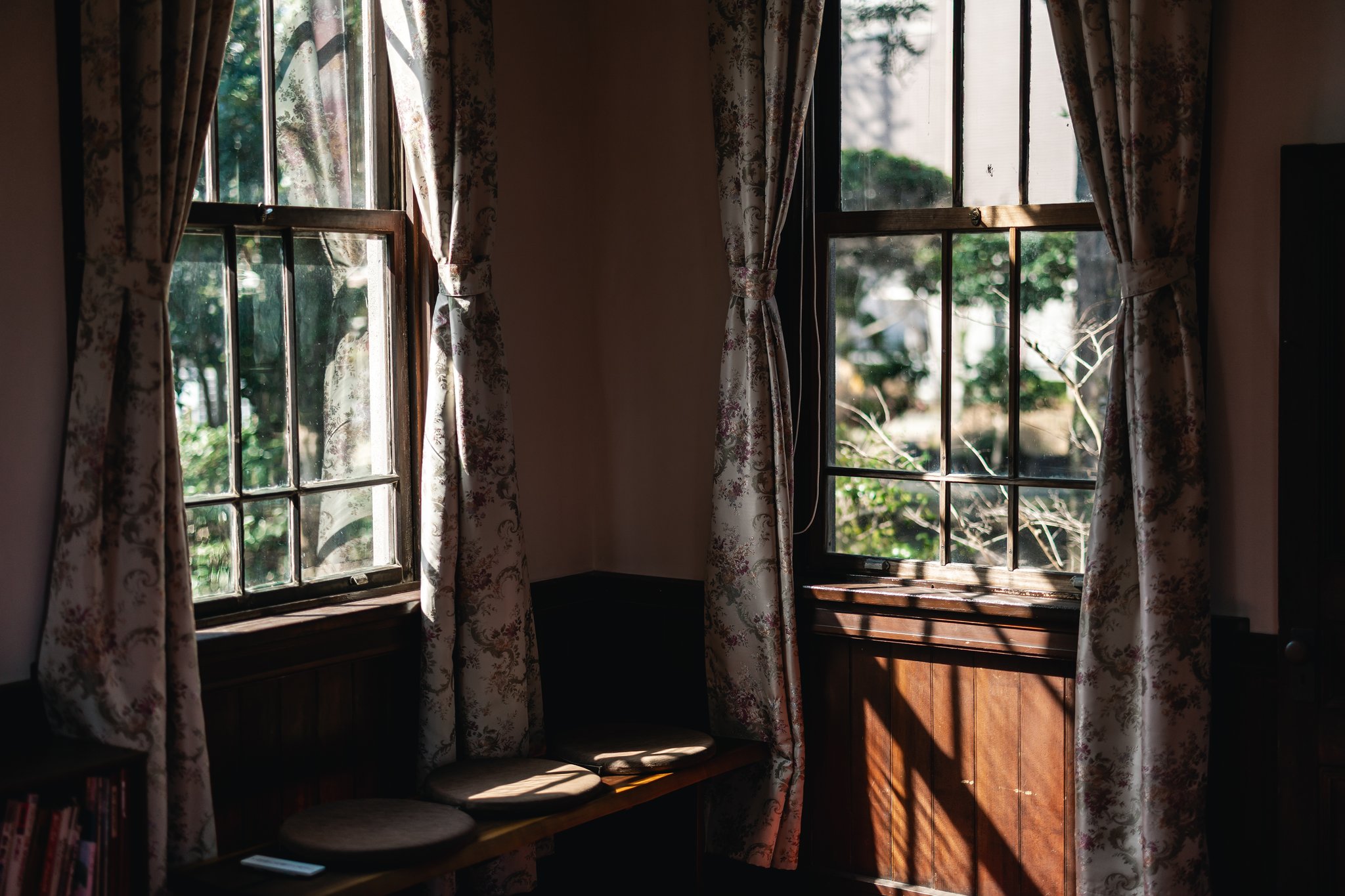
Inside, sliding doors opened onto further rooms. Dark wooden frames divided the pale paper screens, while the edges of the tatami led the eye through the doorways towards the light.
The rooms were spare enough to see how they fitted together. Along the veranda, glass doors brought the garden close: stones, branches and patches of sunshine just beyond the threshold. The cats had chosen a spot between the shade of the house and the open air.
Sōseki’s wife, Kyōko, later remembered Uchitsuboi as the best of their homes in Kumamoto. They stayed for about a year and eight months, longer than at any of the others, and their first daughter, Fudeko, was born here. The well that provided water for her first bath is still in the garden. Sōseki marked her arrival with a haiku: “With ease, she gave birth to a child like a sea cucumber.”
It was easy to think of him through the books that came later. Here, though, he was an English teacher writing haiku, living with his wife and becoming a father. The open rooms gave that household somewhere to exist in the imagination.
The cats required less imagination.
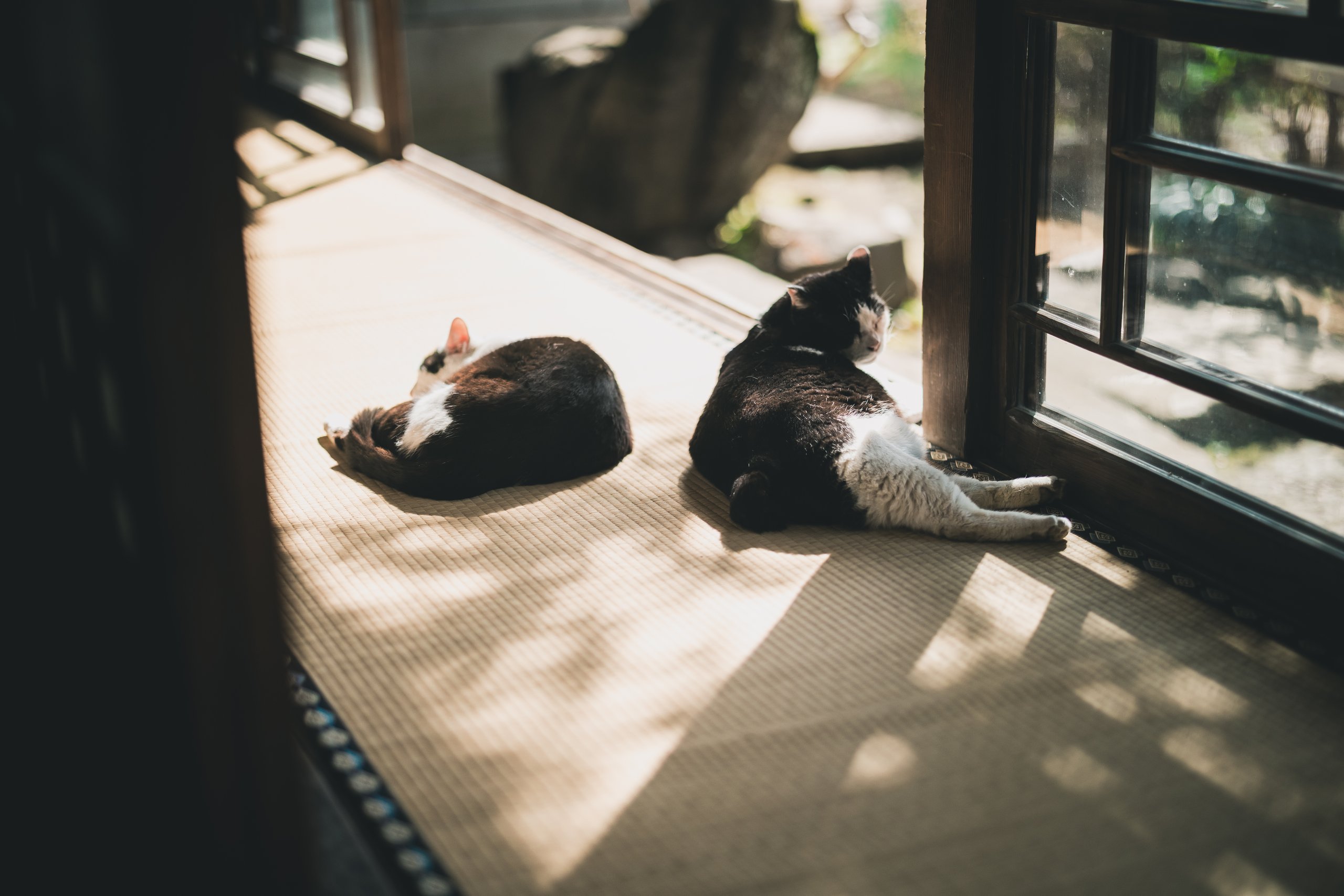
One had tucked itself into a neat circle. The other had left its legs stretched across the doorway, with little concern for the distinction between a place to sleep and a way through.
I later learned that the staff had given the visiting community cats provisional names. They were already further along than their fictional predecessor. The real stray behind him, who turned up at Sōseki’s home in Tokyo in 1904, is said never to have been given a name at all.
The visiting cats had also been received better than Terada Torahiko. One of Sōseki’s students here, and later a physicist and essayist, Terada asked whether he could live in the house as a student lodger. Sōseki told him the storeroom at the back was free and took him to see it. The tatami had been taken up and the room was full of rubbish. Terada did not move in. The storeroom is still there.
One more address
There was, of course, a sixth house.
After the quiet rooms and the occupied patch of sunshine, another move seemed to require some explanation. Sōseki is said to have noticed a house being built along his route to work, liked it and arranged to rent it. It became his final home in Kumamoto, from April to July 1900, before he left the city and later travelled to England.
I went to look at it too.
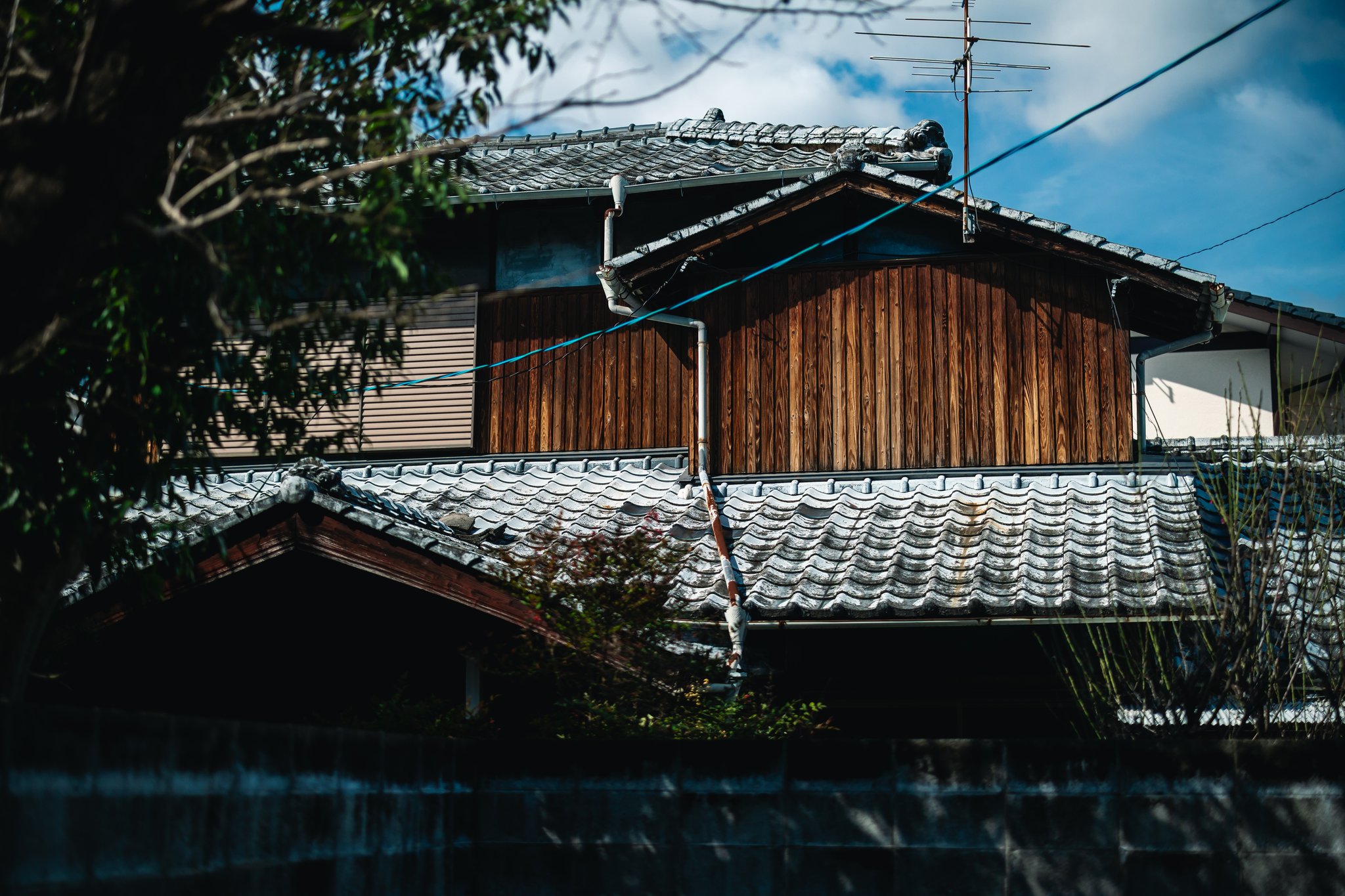
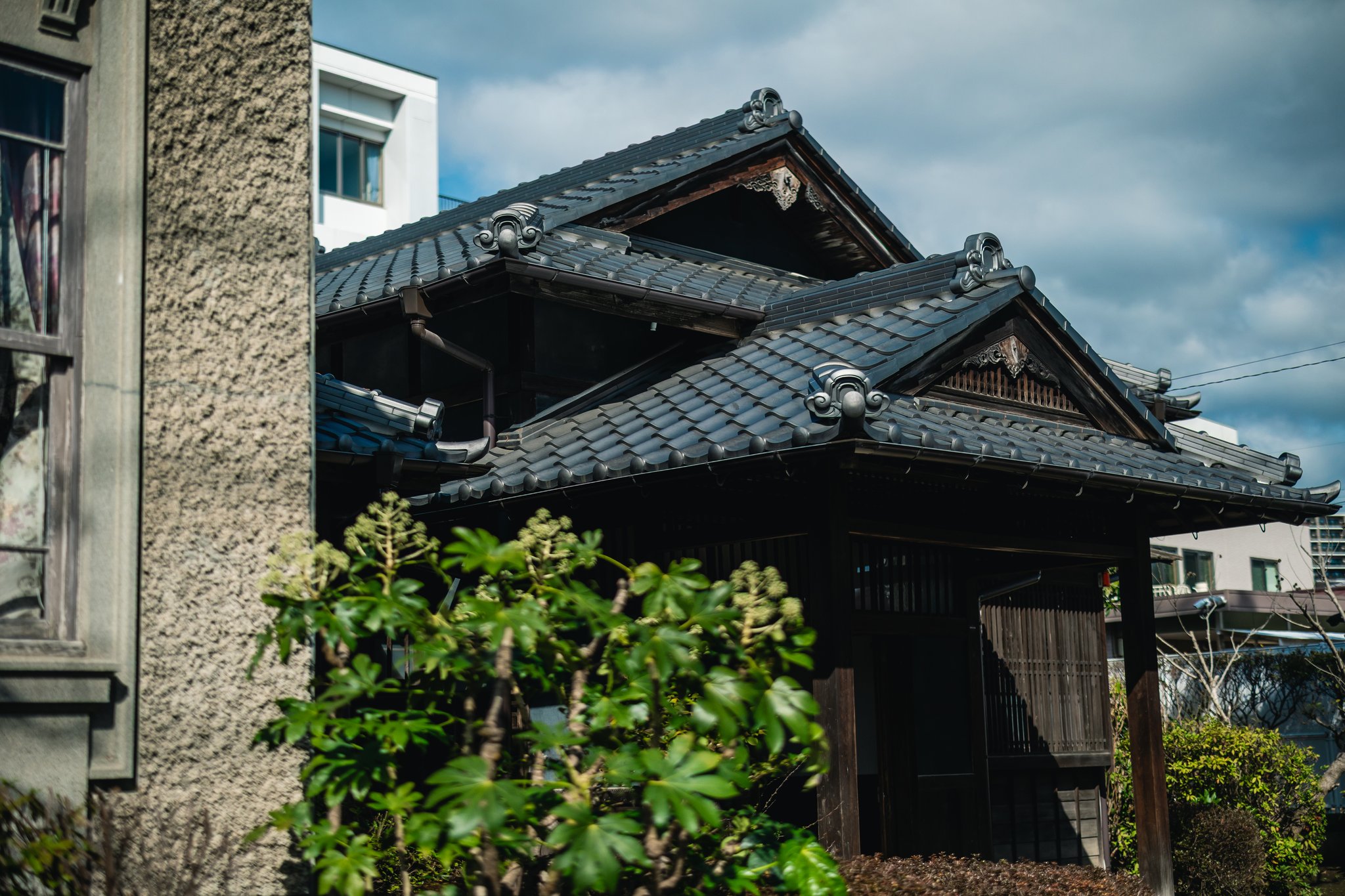
The interior was not open to visitors. From the street, though, the house had exactly the sort of appearance I liked in a former residence: weathered timber, deep eaves and tiled roofs layered one behind another.
Sunlight caught the upper wooden wall. Below it, more tiles spread across the frame, their curved edges repeating into the garden’s shadows. Wires crossed the sky above the house, and an aerial rose from the roof.
I liked it immediately.
Sōseki had seen a house under construction. I was looking at one with more than a century behind it. We were admiring different stages of the same building, but I could understand noticing it on the way to somewhere else.
At Uchitsuboi, I had been able to look through the rooms and see where the light fell. Here, I had only the outside, though the upstairs room Sōseki used as his study is said to survive as it was. It was enough to make me wish I could see a little more.
I may yet get the chance. Kumamoto City plans to turn the house into a book café, aiming to open it by March 2028.
The cats had made a good case for staying at the fifth house. From the street, I could see the appeal of the sixth.
Visit this place
Location
Natsume Sōseki’s Uchitsuboi House (夏目漱石内坪井旧居)
The map pin marks the publicly accessible Uchitsuboi house. Sōseki’s sixth Kumamoto house, shown near the end of the article, is a separate property in Kitasedanbata-machi.
4-22 Uchitsuboi-machi, Chuo-ku, Kumamoto 860-0077, Japan
Practical Information
- Area
- Chuo-ku, Kumamoto
- Opening hours
- 9:30–16:30
- Closing days
- Mondays; when Monday is a national holiday, the following day; December 29–January 3
- Admission
- Adults and high school students: ¥200; elementary and junior high school students: ¥100; preschool children: free
- Admission note
- Admission is free for elementary and junior high school students who live in Kumamoto City, and for visitors aged 65 or older.
- Access
- About 2 minutes on foot from Tsuboibashi bus stop; about 13 minutes on foot from Kumamoto Castle/City Hall tram stop
- Parking
- 6 free spaces; large buses cannot be accommodated
- Also featured
- Natsume Sōseki’s Kitasedanbata House (夏目漱石 北千反畑旧居)
3-16 Kitasedanbata-machi, Chuo-ku, Kumamoto 860-0855, Japan - Visitor note
- The Kitasedanbata house is not open to the public and can only be viewed from outside. Kumamoto City plans to open it as a book café, aiming for March 2028.
- Tourism information
- Natsume Soseki and Uchitsuboi House — Kumamoto City Official Guide
Information last checked: October 4, 2026
Conversation
Comments
Review pending commentsComments are reviewed before appearing. The internet already contains enough unattended surprises.
Checking comments…
Comments are not available in this migration preview yet. Existing comments remain on the current site.
Leave a comment