Ebimeshi: Shrimp Rice with a Dark Side
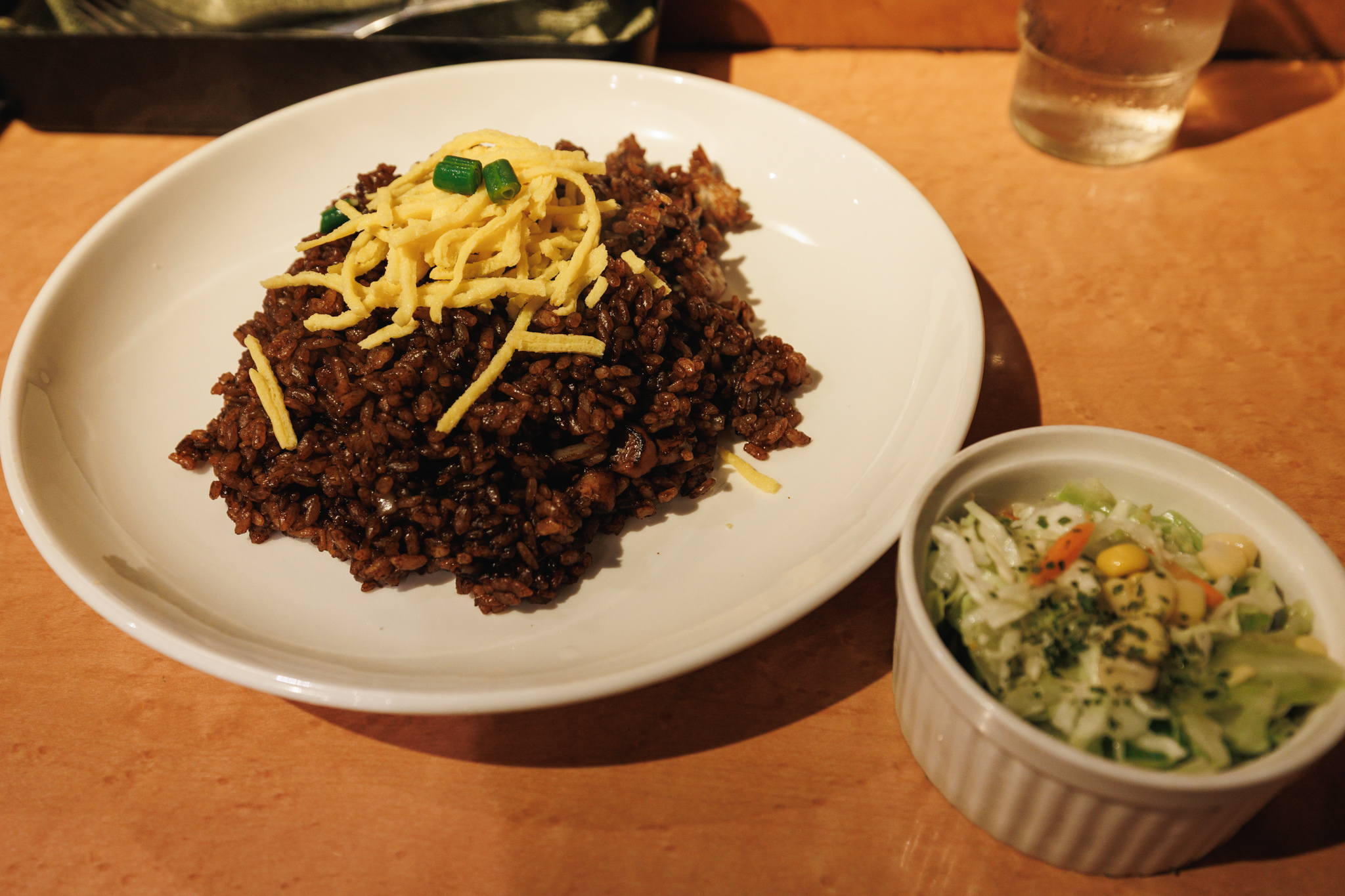
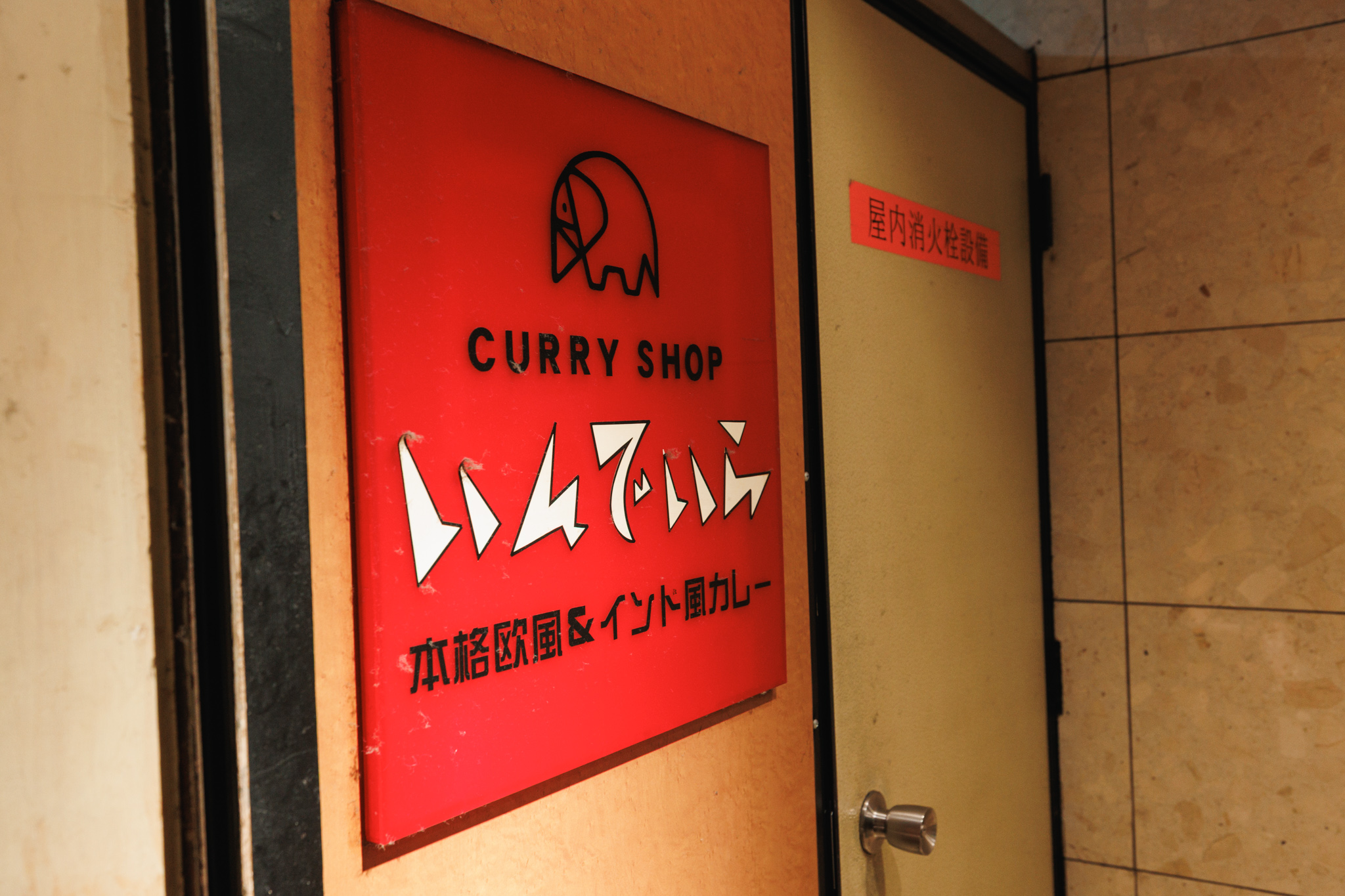
At Indeira, a basement restaurant on Dogenzaka in Shibuya, I ordered ebimeshi and was asked whether a wait of about twenty minutes would be all right. I had come specifically for it, so this seemed a reasonable investment in lunch.
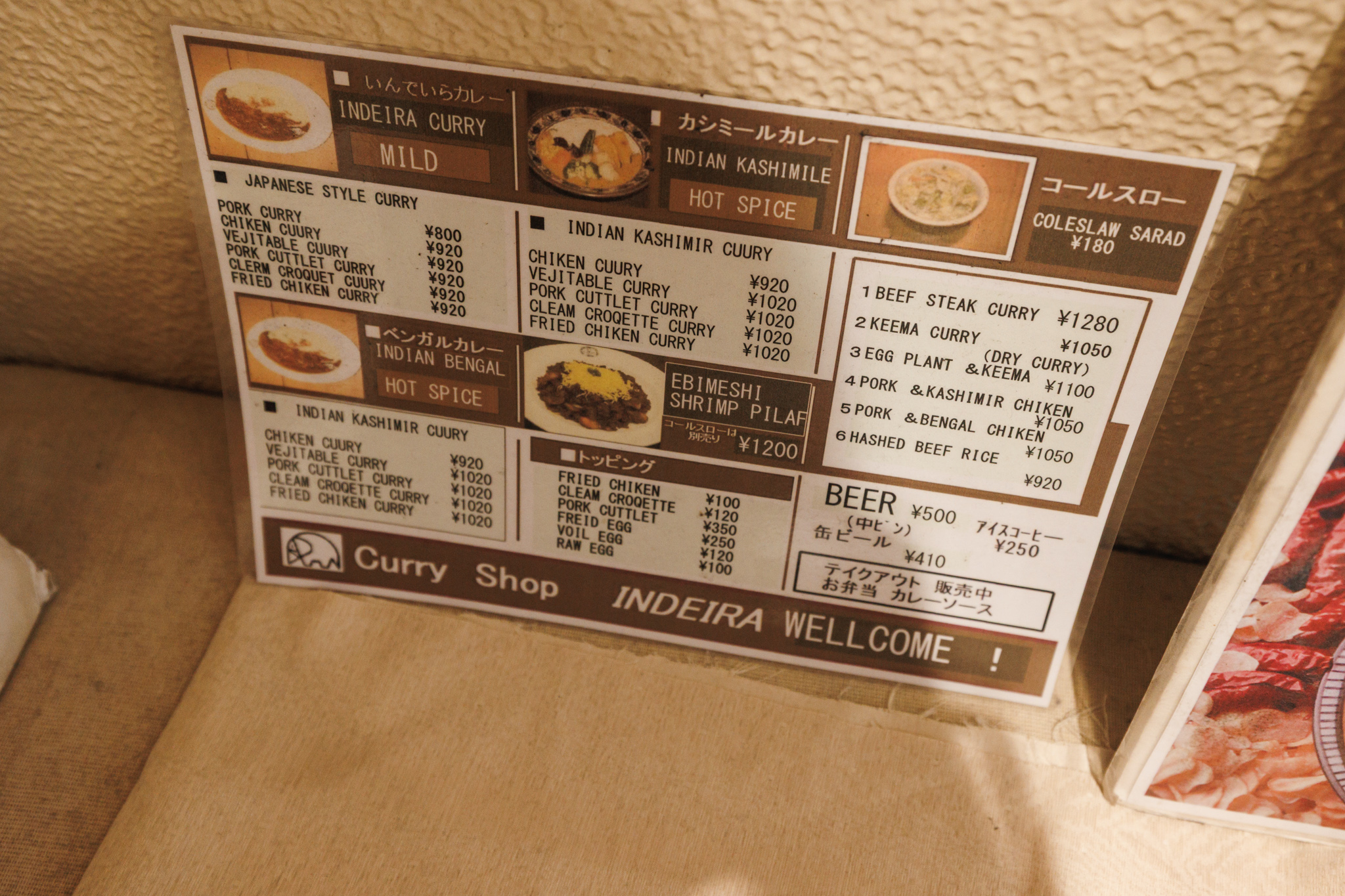
Indeira is well known for its curries, and the menu is largely devoted to them: European-style, Kashmiri, Bengali. Among them is a small panel labelled “SHRIMP PILAF.” In Japanese, it is ebimeshi: ebi means shrimp and meshi means rice.
Behind the colour
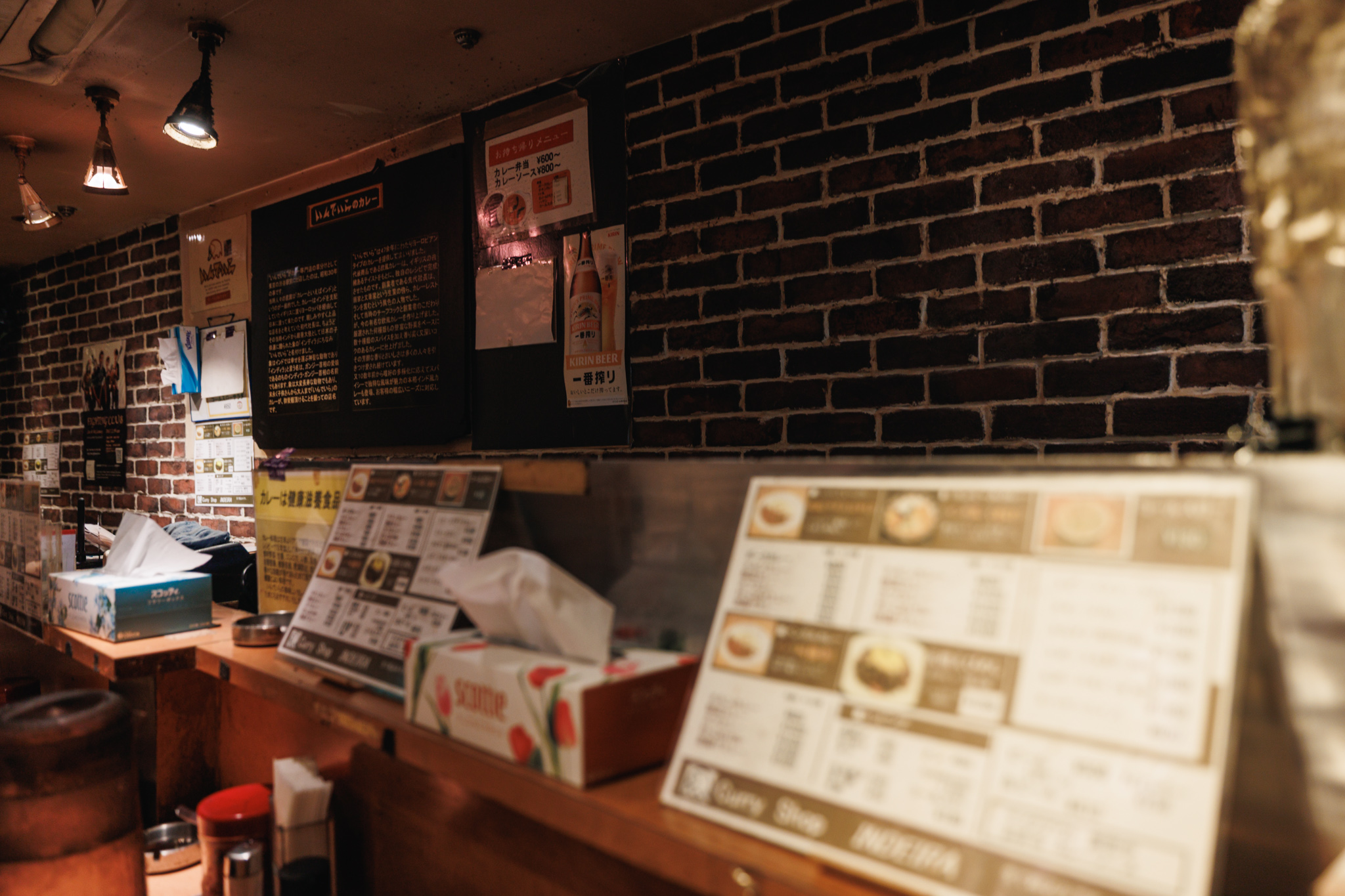
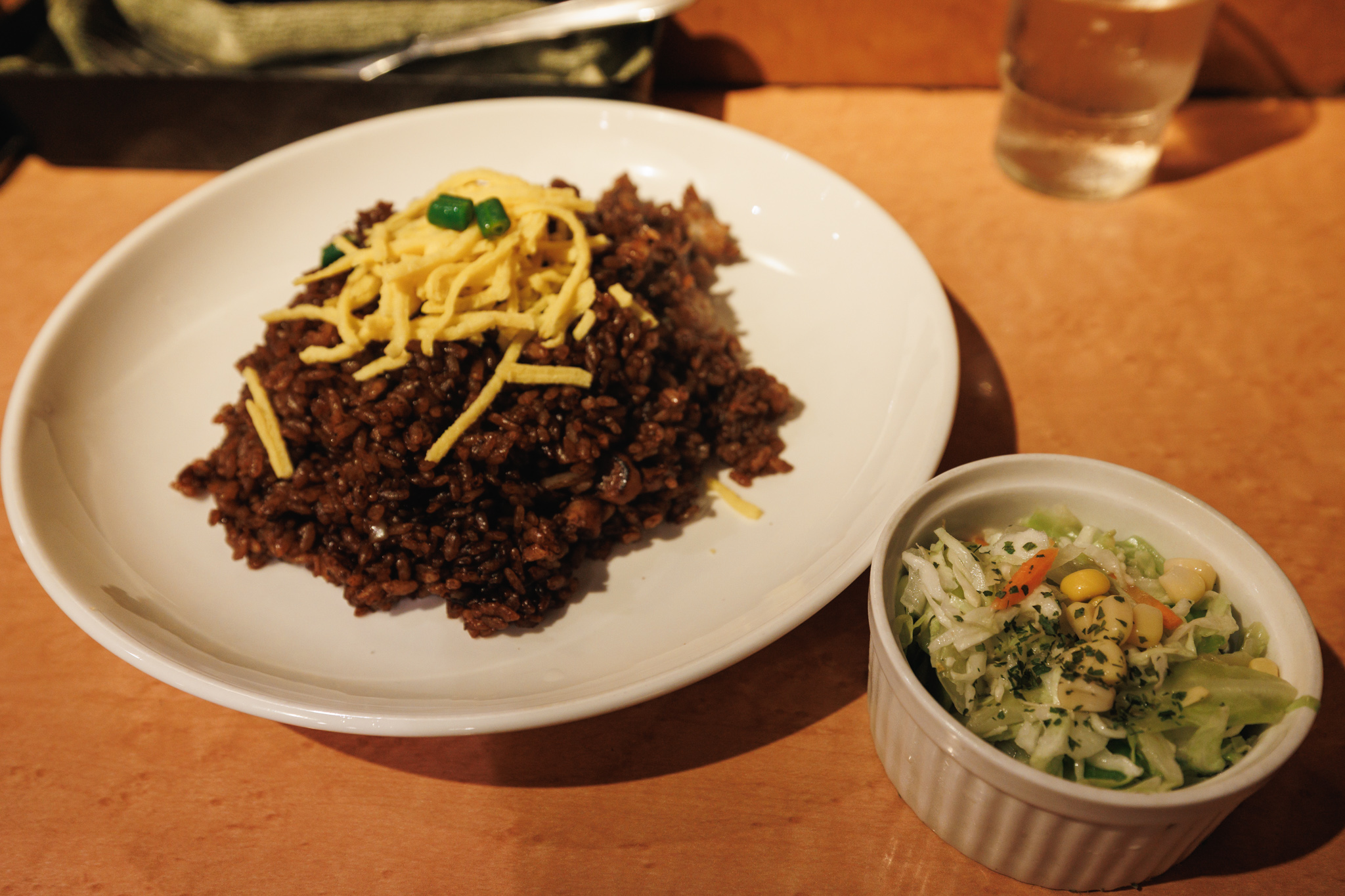
What arrived was an almost-black mound of rice on a white plate, glossy with sauce beneath yellow strips of egg and a little green garnish. “Shrimp rice” was accurate, if not especially forthcoming.
The sauce was spicy and slightly tangy, running through the rice and giving it its character as well as its colour. The shrimp were plump and springy, with a satisfying bite of their own.
They had earned their place in the name. The sauce might reasonably have asked for equal billing.
The restaurant recommends adding coleslaw, sold separately. I ordered a bowl and was glad I did.
From Shibuya to Okayama
Indeira opened in 1955 as a tiny curry shop, its front about two metres wide, on a corner by the crossing in front of Shibuya Station. In its early days, by the restaurant’s own account, the owner wanted something that was neither dry curry nor fried rice: something like a sauce-fried rice with shrimp in it, which everyone would like.
The distinction was evidently clear at the time. Indeira’s menu now lists a dry curry as well.
Ebimeshi is also a speciality of Okayama, in western Japan, and that story began at Indeira too. A man from Okayama trained there in the 1960s. In 1966, back home, he opened a curry and coffee shop in Okayama City. He called it Indeira as well, and put ebimeshi on the menu at ¥120 a plate.
The Okayama shop sold curry. Against expectations, its most popular dish turned out to be the ebimeshi.
From there, the dish spread to cafés in the city centre, then across the prefecture. In 1994, the business opened a Western-style restaurant built around it, and named it accordingly: Ebimeshiya—roughly, “the ebimeshi shop.”
Back on Indeira’s menu, ebimeshi still occupies its small panel among the curries.
Some house specialities get a bigger photograph. This one got a prefecture.
Location
Restaurant
Indeira Dogenzaka (いんでいら 道玄坂店)
In the basement of Dogenzaka Center Building, near Shibuya Station Exit A0
Dogenzaka Center Building B1F, 2-29-8 Dogenzaka, Shibuya City, Tokyo 150-0043, Japan
Practical Information
- Dish
- Ebimeshi (えびめし)
- Associated area
- Okayama
- Access
- About 3 minutes on foot from Shibuya Station; near Exit A0
- Opening hours
- 10:00–22:00
- Closing days
- No regular closing days listed
- Reservations
- Not accepted
- Price at visit
- Ebimeshi: ¥1,200; separately ordered coleslaw: ¥180 (menu at my September 13, 2026 visit)
- Ordering note
- Staff advised on this visit that ebimeshi could take about 20 minutes
- Official listing
- Indeira — Shibuya Dogenzaka (Japanese)
- Reference
- Indeira Dogenzaka on Tabelog
Information last checked: September 13, 2026
Conversation
Comments
Review pending commentsComments are reviewed before appearing. The internet already contains enough unattended surprises.
Checking comments…
Comments are not available in this migration preview yet. Existing comments remain on the current site.
Leave a comment