Tojinbo: Walking the Cliff Edge Above the Sea of Japan
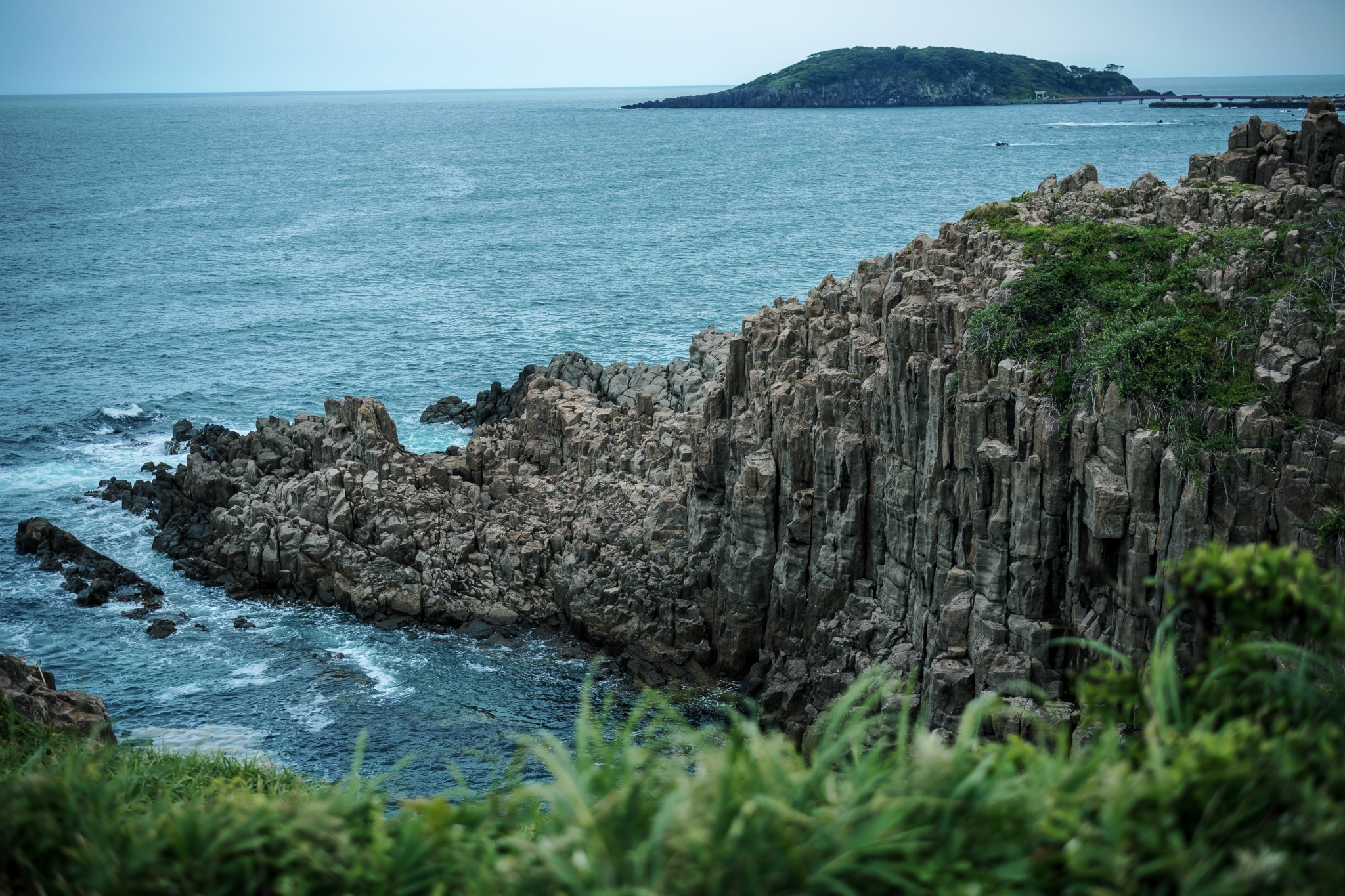
At Tojinbo, the scenery is also the floor.
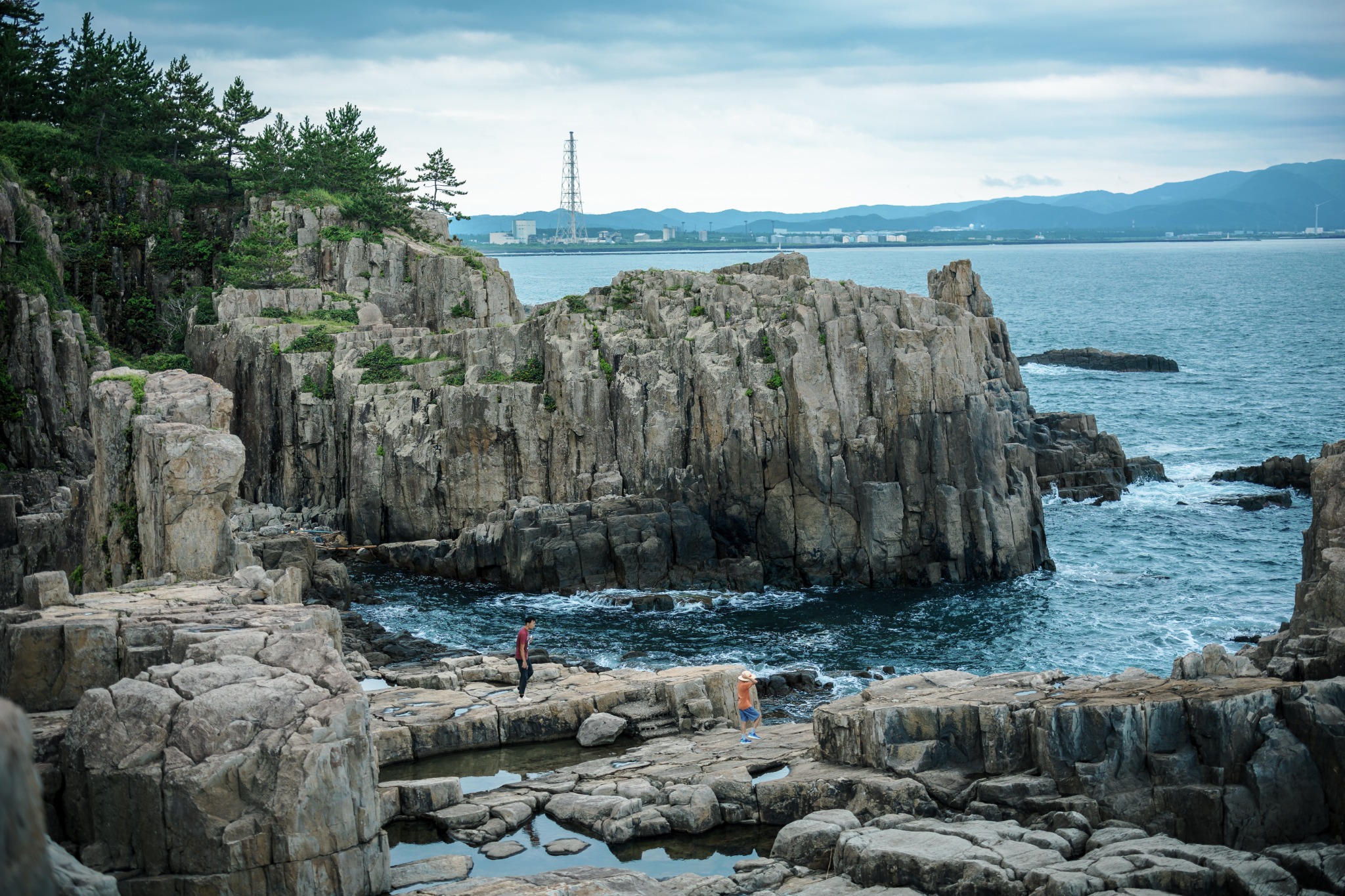
The cliffs rise from the Sea of Japan in great columns of rock. From a distance, they look like something you would admire from a viewing platform. Then you notice the people walking across the top.
They are on the attraction.
Finding your footing
This is Tojinbo, on the coast of Fukui Prefecture in central Japan. The cliffs extend for roughly a kilometre, reaching about 25 metres above the sea at their highest point. Paths and steps provide access, but across the exposed rocks there is no continuous fence separating visitors from the drop.
Fukui’s official tourism guide explains that the open view has been deliberately preserved. It is a generous arrangement for the eyes. The feet have rather more to consider.
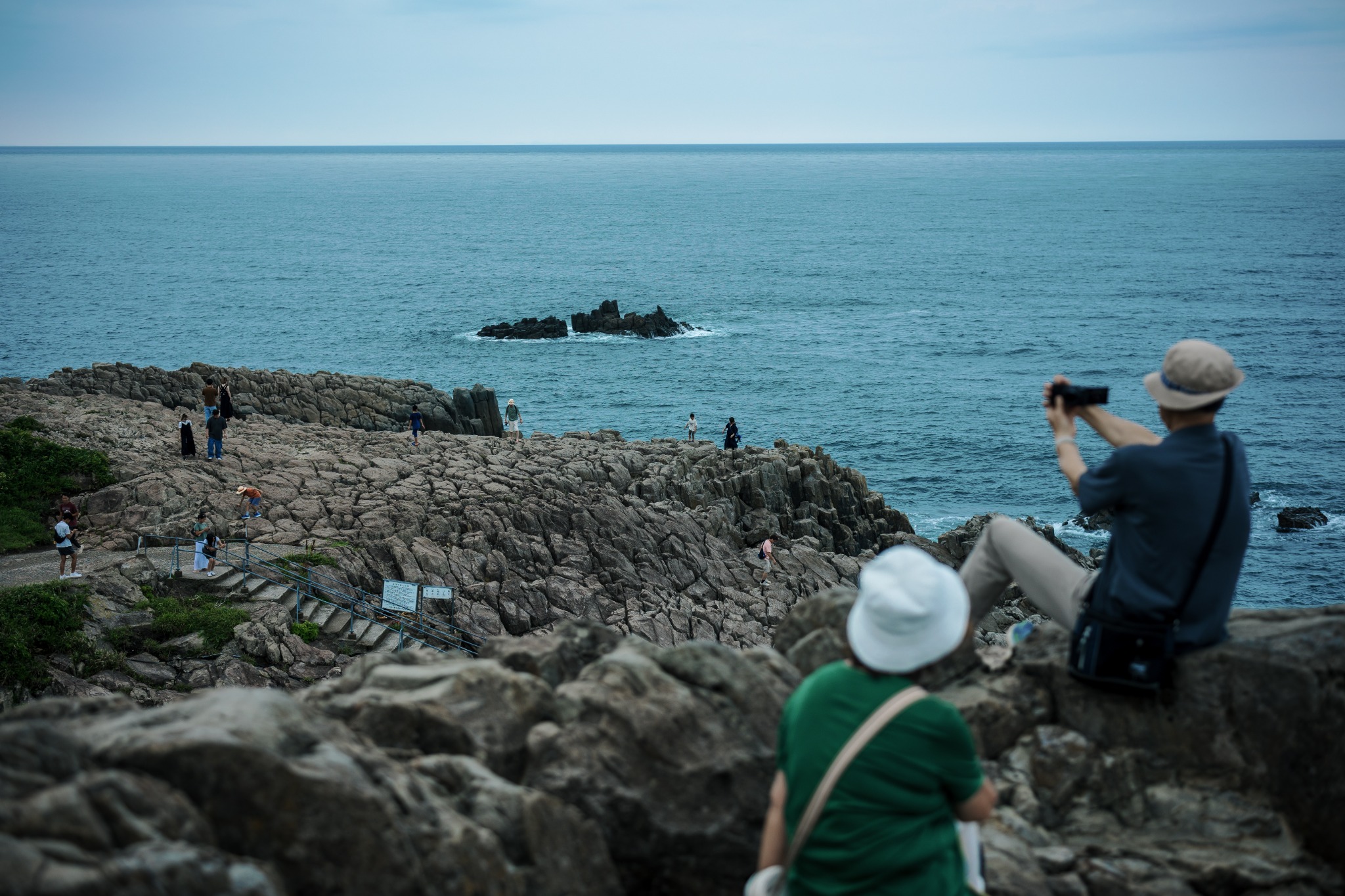
People spread out between cracks, ledges and sudden changes in height. Some stay well back. Others seem comfortable considerably farther out. The same view appears to come with several different definitions of “close enough.”
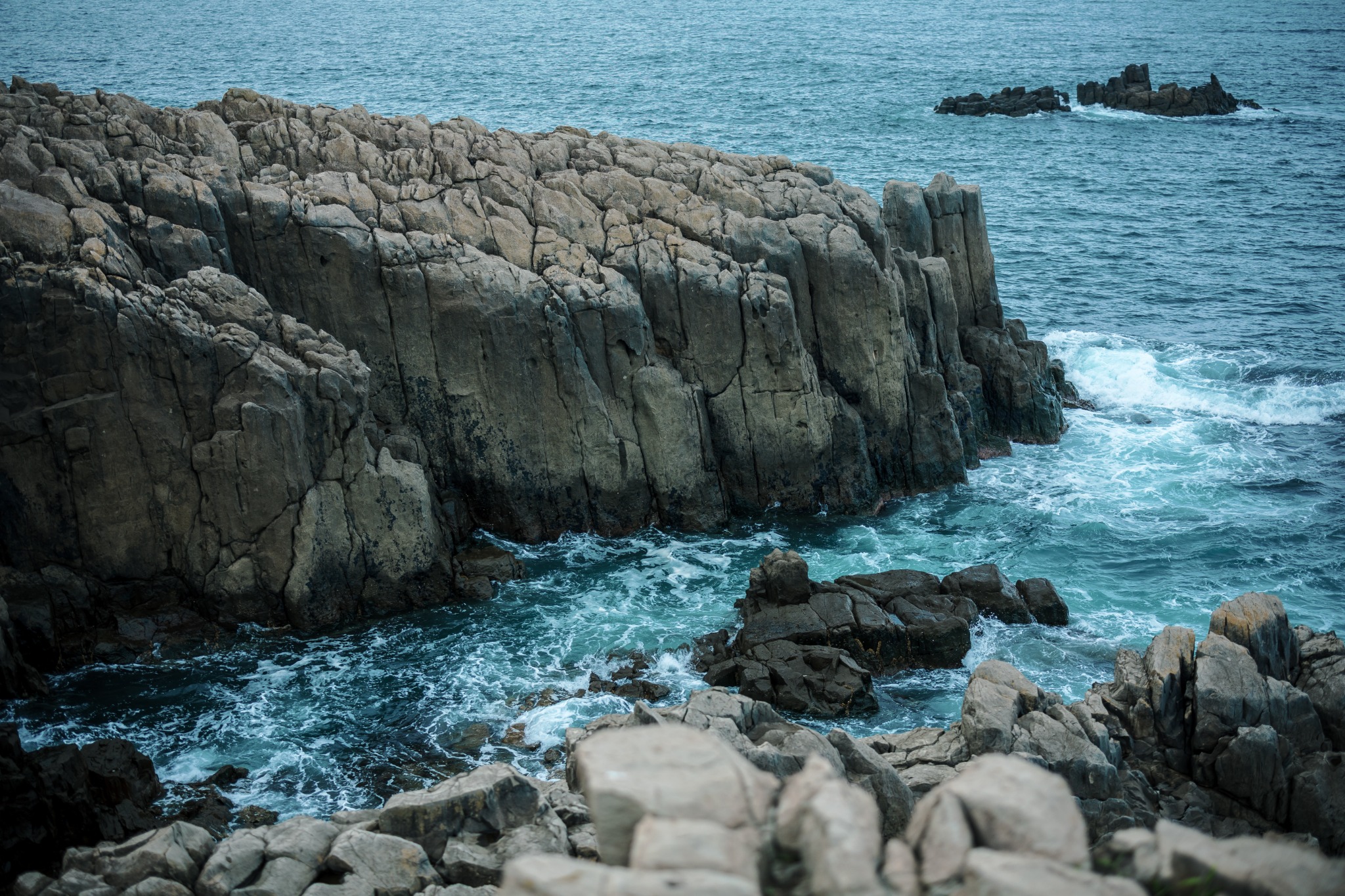
Look up from the broken rock underfoot, and the open sea runs all the way to the horizon.
A landscape made by cracking
The columns look almost architectural: long sections of stone fitted beside one another, their angular faces running down towards the water.
What looks like careful assembly began with cracks.
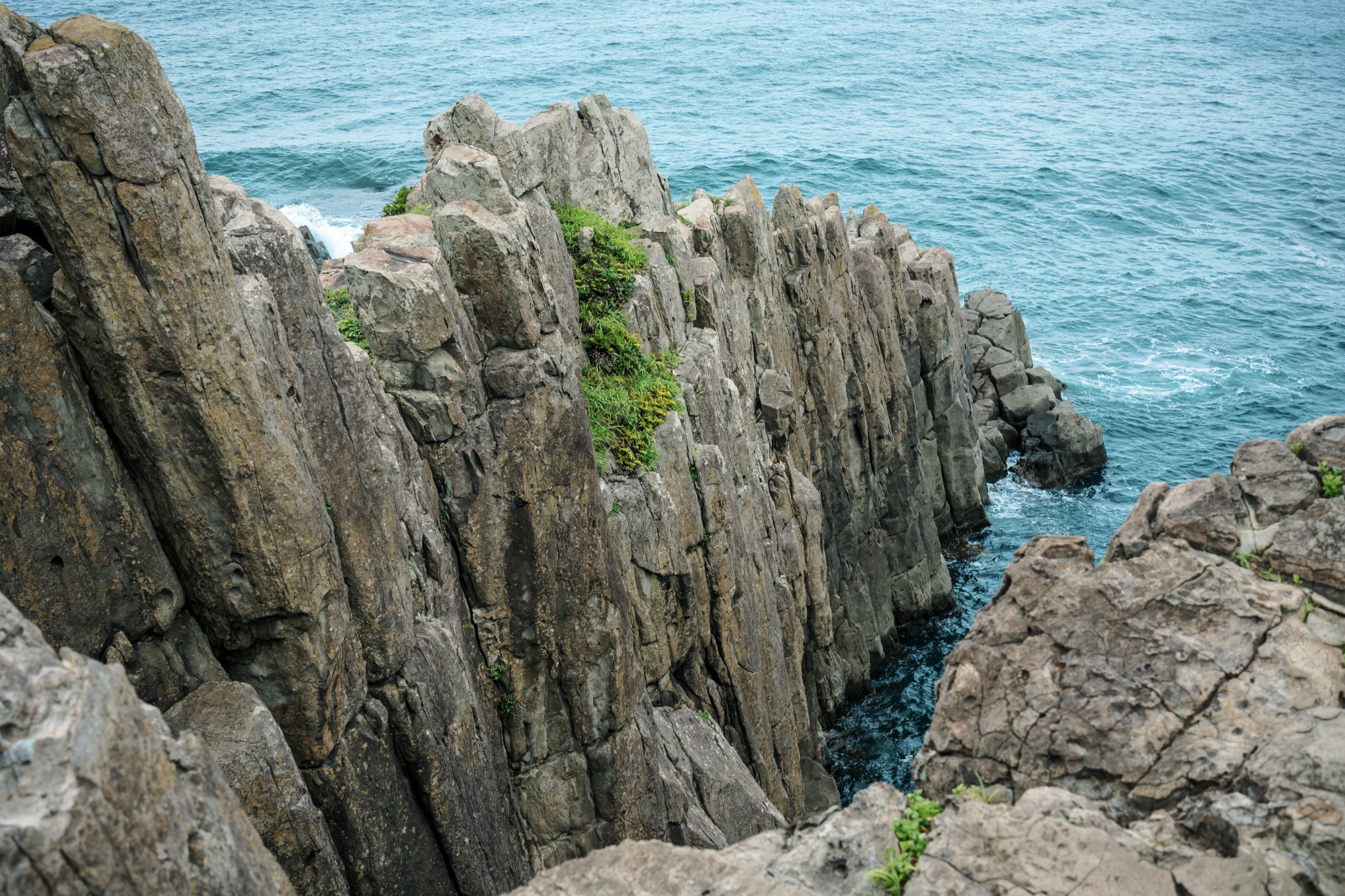
Columnar joints form when cooling volcanic rock contracts and cracks. At Tojinbo, this process began around 13 million years ago. Much of the exposed rock is andesite, split into columns with polygonal cross-sections, often five or six sides. The sea subsequently worked along those fractures, exposing the walls visible today. The regular shapes are part of the rock itself, revealed as the coast wore away, as Sakai’s tourism guide explains.
The same guide adds that columns of pyroxene andesite on this scale are found in only three places in the world: here, the Geumgang Mountains on the Korean Peninsula, and the west coast of Norway.
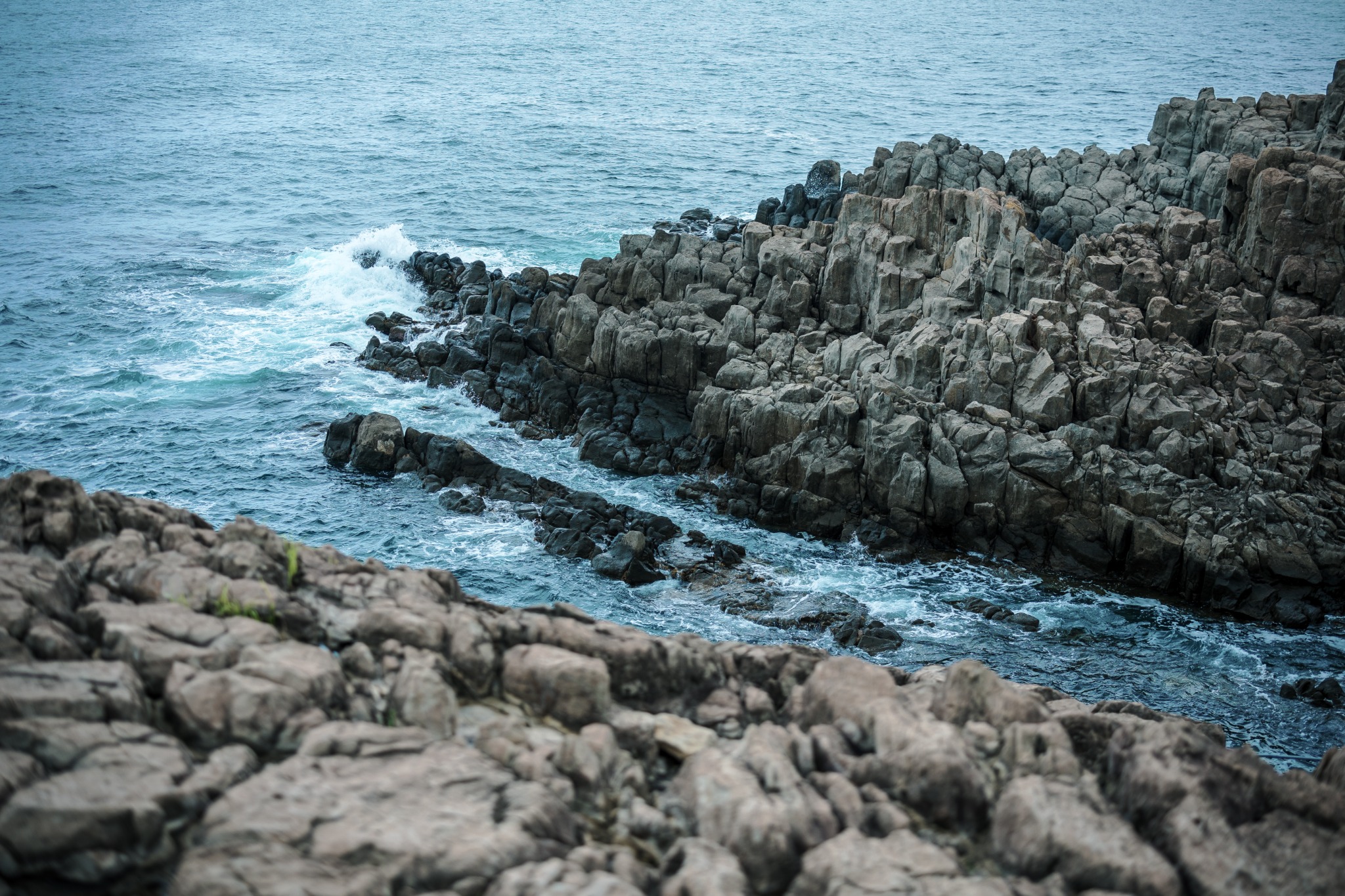
Waves break white against the darker rock and disappear into the gaps. Protected as a National Natural Monument and a Place of Scenic Beauty since 1935, the cliffs are still being shaped by the water below.
A name that stayed
The geology explains the shape. A local legend explains the name.
Tojinbo was a monk at Heisenji, in what is now Katsuyama. In one version of the story, he and another monk, Magara Kakunen, were rivals for the affection of a woman named Aya-hime. Kakunen invited him to the cliffs, plied him with sake and pushed him into the sea.
The sea, the story says, raged for 49 days afterward.
The monk disappeared. His name stayed.
The people watching the cliffs
Tojinbo also has a more recent association with suicide. The people who have worked to prevent it are an important part of this place.
Retired police officer Yukio Shige began prevention patrols in 2004. He and the volunteers in the organisation he founded have approached people in distress, listened to them and helped them find a way forward.
Shige became known as the “guardian of life,” or inochi no bannin.
The title sounds dramatic. The work is practical.
The group’s base is a tea house on the shopping street behind the cliffs, serving oroshi mochi, rice cakes with grated daikon. Its message to customers plays on the word mochi: eat some, and become kanemochi, rich; nagamochi, long-lasting; and chikaramochi, strong.
The work has also included accommodation and help rebuilding a life after leaving the cliffs. The account accompanying his Citizen of the Year award describes both the patrols and the housing and employment support that followed. Getting someone away from the edge was the beginning of that work, rather than its conclusion.
Back among the shops
The walk back leads into a tourist shopping street, with seafood restaurants, souvenirs and sweets. Here, people have made much more explicit arrangements for visitors.
Some of the staffing choices are less conventional.
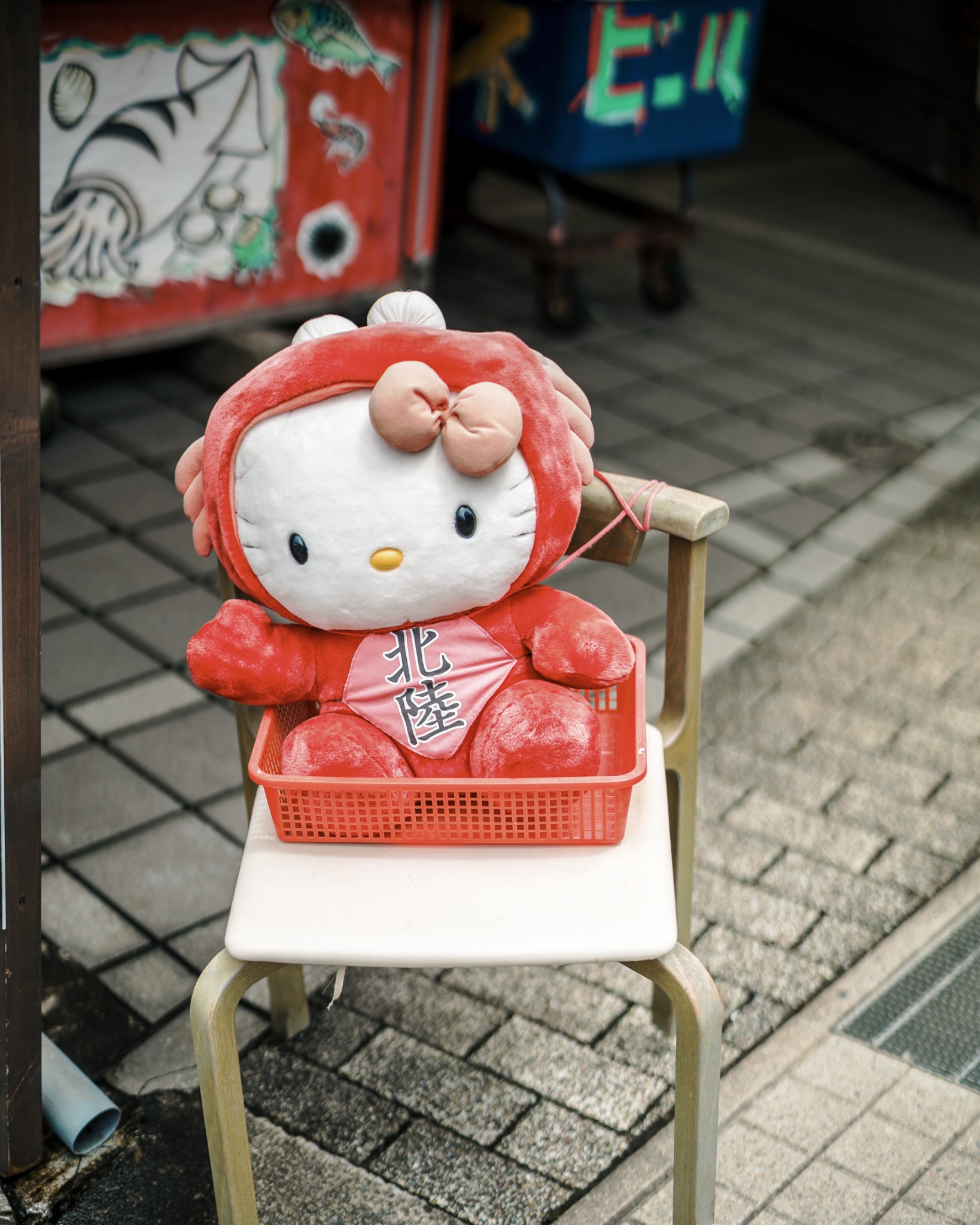
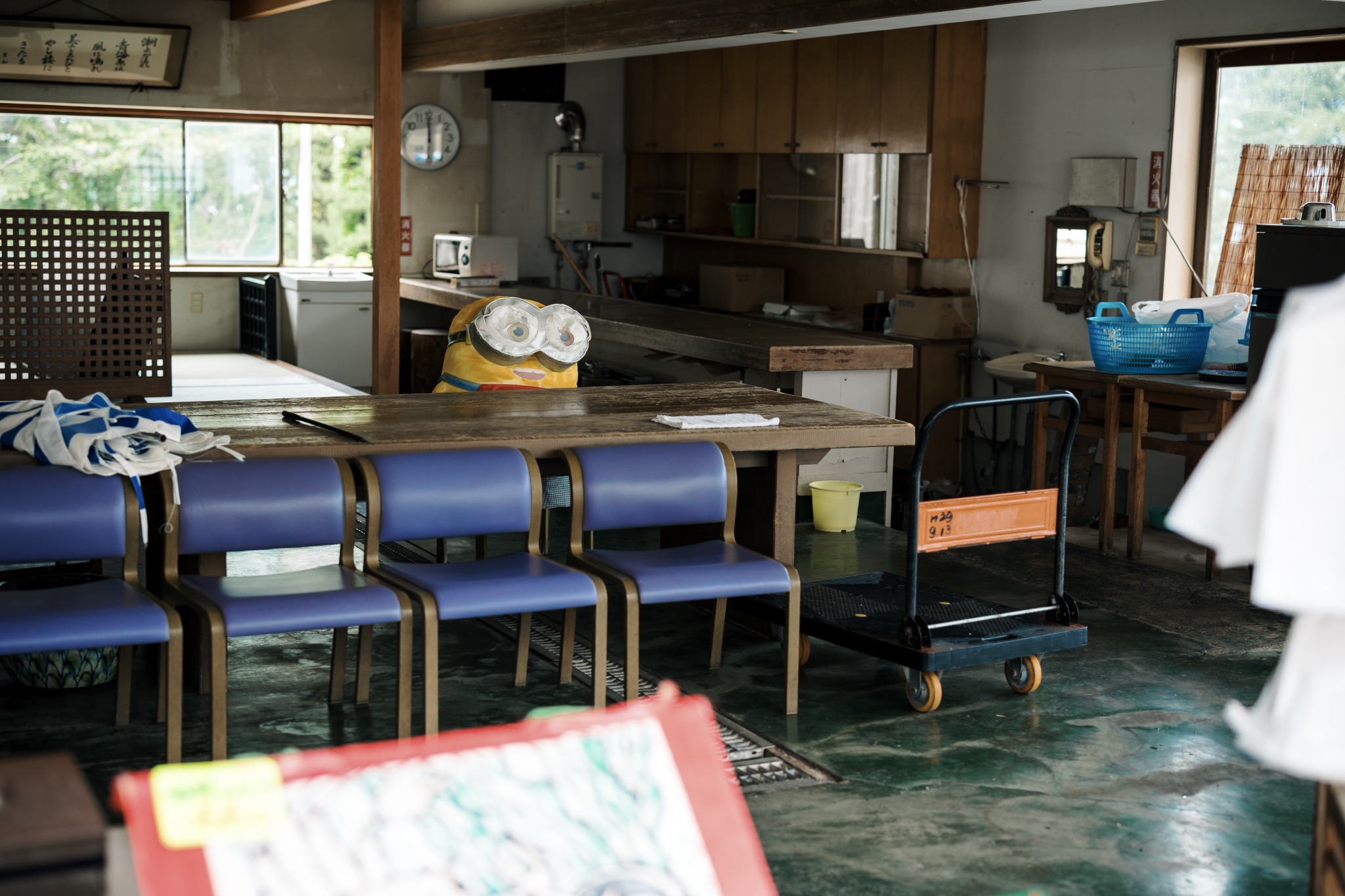
After picking my way across the rocks, I found this ordinary tourist business quite welcome.
Nature had supplied the columns. I was grateful to someone for supplying the chairs.
Nearby: seafood and Echizen soba
I tried a sweet-shrimp seafood bowl and Echizen soba, two of the local options on the shopping street.
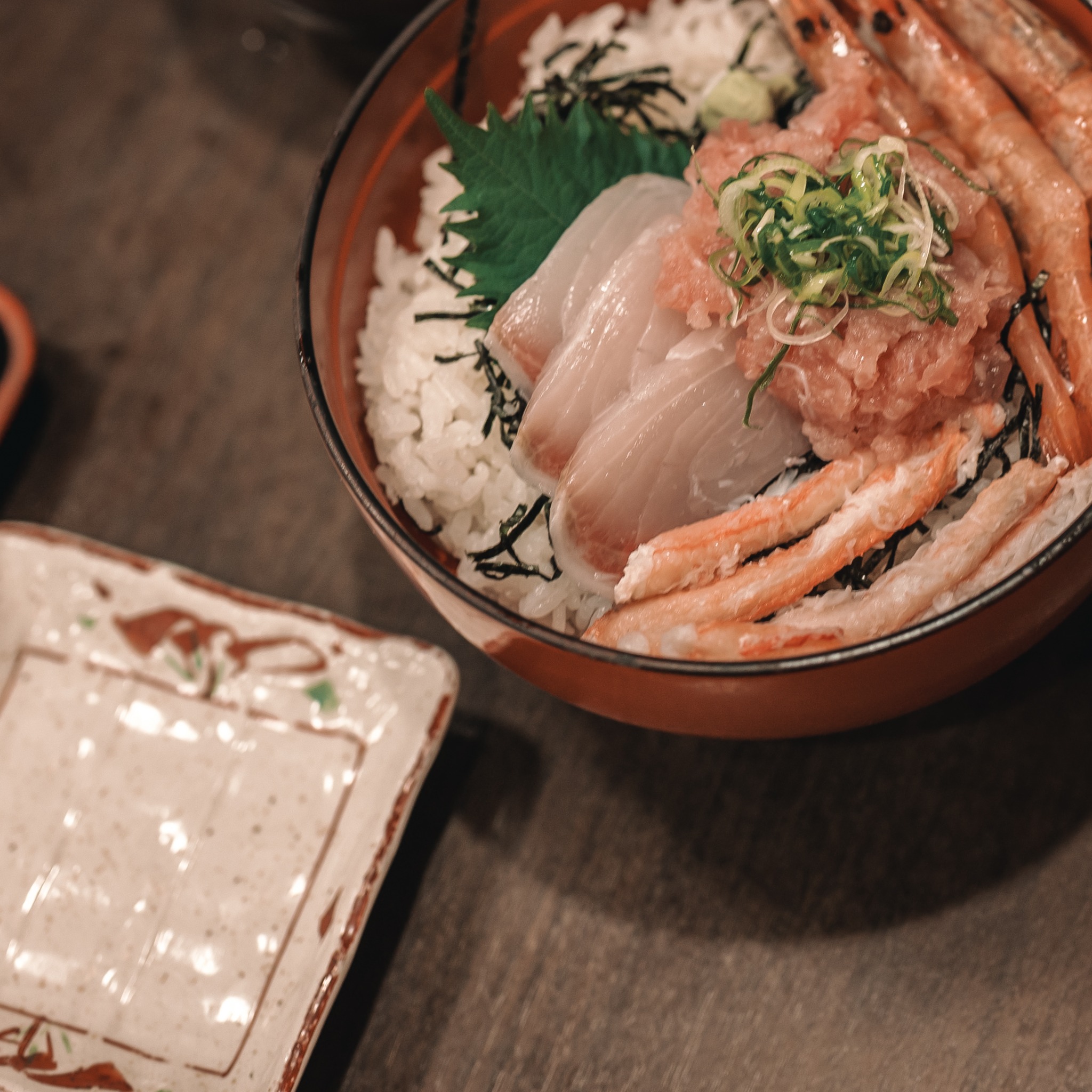
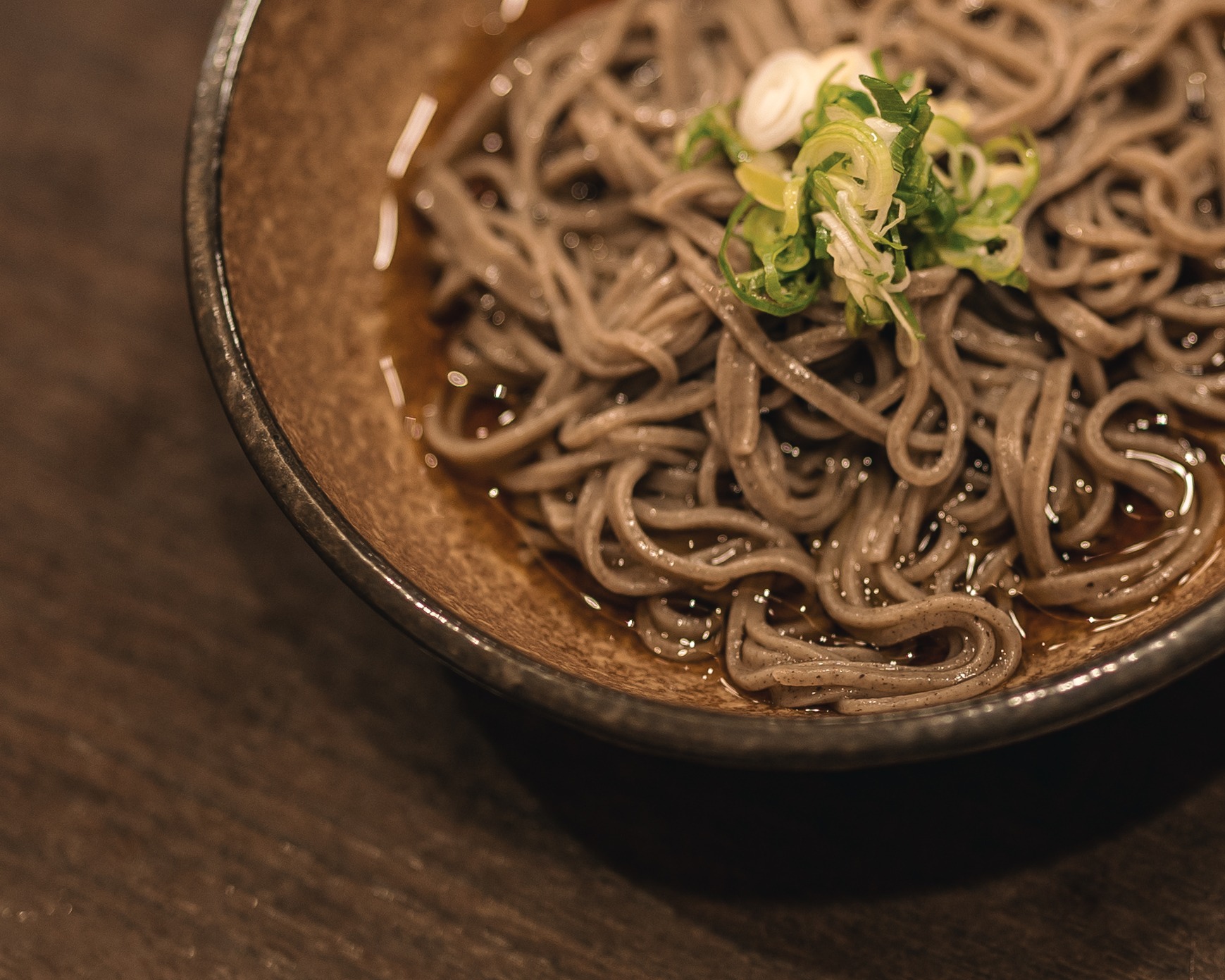
There was plenty to look at on the table, too.
This time, I could bring the interesting bits closer with chopsticks.
Visit this place
Location
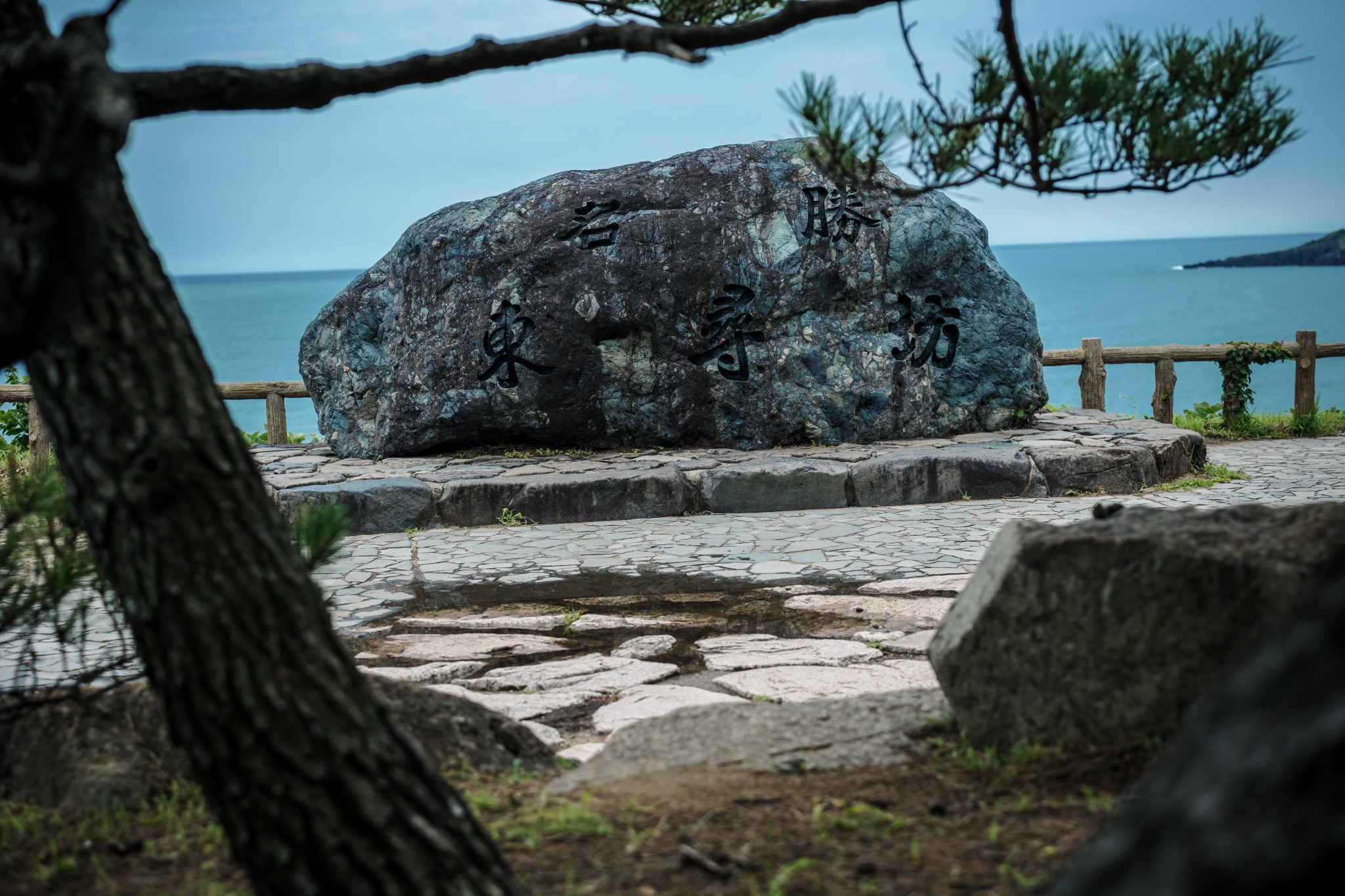
Tojinbo (東尋坊)
The cliffs are reached through the Tojinbo tourist shopping street; Tojinbo Tower is nearby but is a separate place.
Mikuni-cho Anto, Sakai, Fukui 913-0063, Japan
Practical Information
- Area
- Mikuni-cho Anto, Sakai, Fukui
- Admission
- Free
- Opening
- Outdoor natural site; no admission gate
- Access
- Keifuku Bus services stop at Tojinbo; the shopping street and cliffs are immediately nearby.
- Footwear
- Shoes with good grip are strongly recommended.
- Safety
- Exposed cliff areas do not have a continuous safety fence; wet rock, wind and rough weather increase the risk.
- Food
- The shopping street immediately behind the cliffs has local seafood, Fukui dishes and sweets.
- Sightseeing cruise
- Cruises are available when weather and sea conditions allow.
- Tourism information
- Sakai tourism information · Fukui official tourism information
Information last checked: September 2, 2026
Conversation
Comments
Review pending commentsComments are reviewed before appearing. The internet already contains enough unattended surprises.
Checking comments…
Comments are not available in this migration preview yet. Existing comments remain on the current site.
Leave a comment