An Odd Day · Chichibu, Saitama
An Odd Day in Chichibu: Scarecrows, Dragon Bones and Mountain Soba
Five unusual stops, two meals and mountain scenery — from a village of busy scarecrows to dinner in Chichibu’s old town.
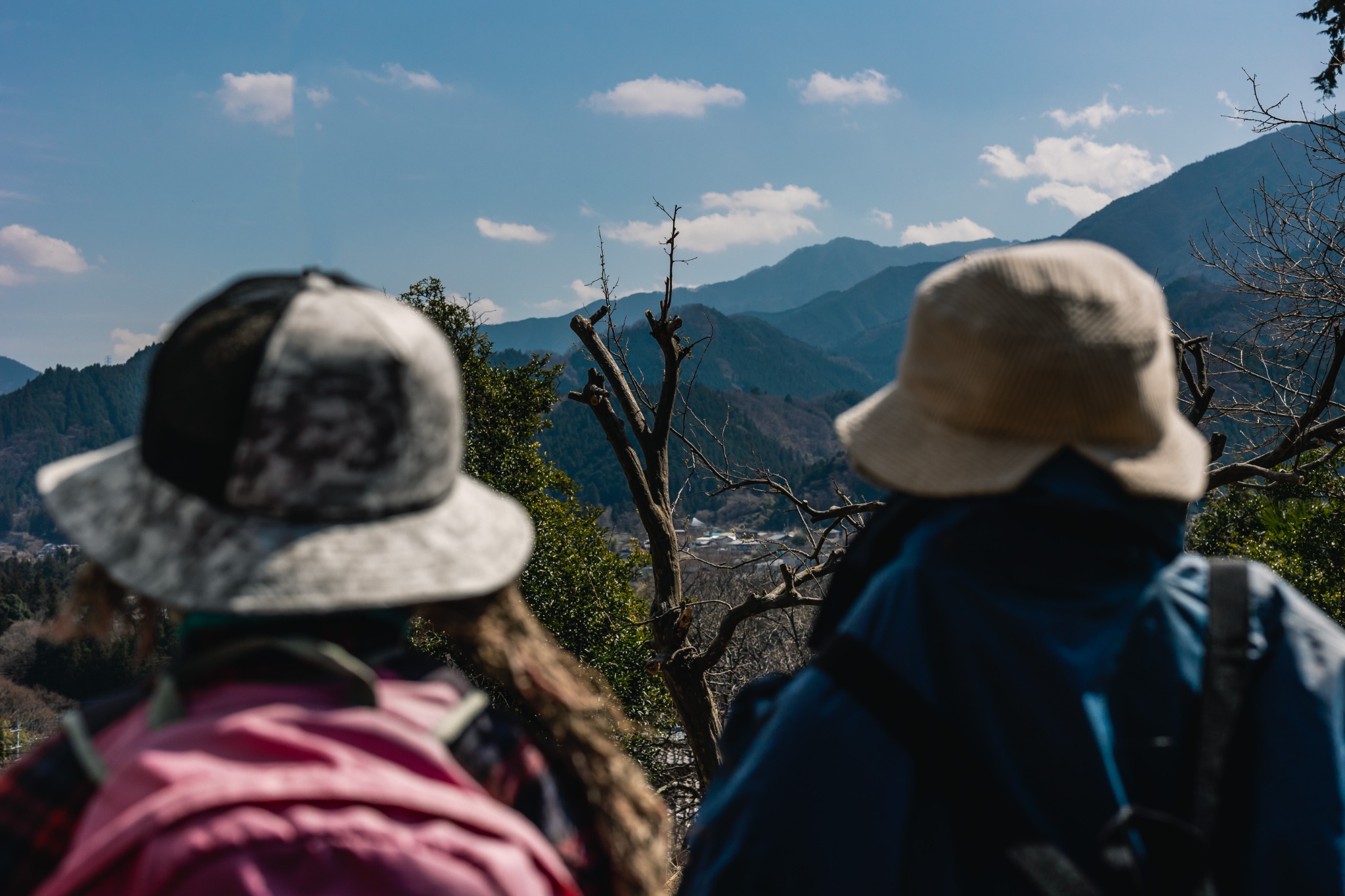
Chichibu has mountain views, old streets and a village where the scarecrows have been given household chores. Even being stuffed does not seem to get you out of the washing.
The route starts at Mitsumineguchi, at the end of the Chichibu Railway, and works back towards central Chichibu. There is considerably more scenery than the five stops alone suggest.
The day at a glance
Start in the mountains. Finish at a table.
- Niegawa-jukuScarecrow village
- FukushimayaMountain soba · lunch
- Hounji TempleDragon bone & tengu claw
- ChinsekikanStones with personality
- Pari ShokudoHistoric restaurant · dinner
I arrived at Mitsumineguchi around 11:30 and reached Pari around 17:30, before dinner. An earlier start gives more breathing room; allow a full day including the journeys to and from Tokyo.
Niegawa-juku
A village with a great deal going on, very slowly
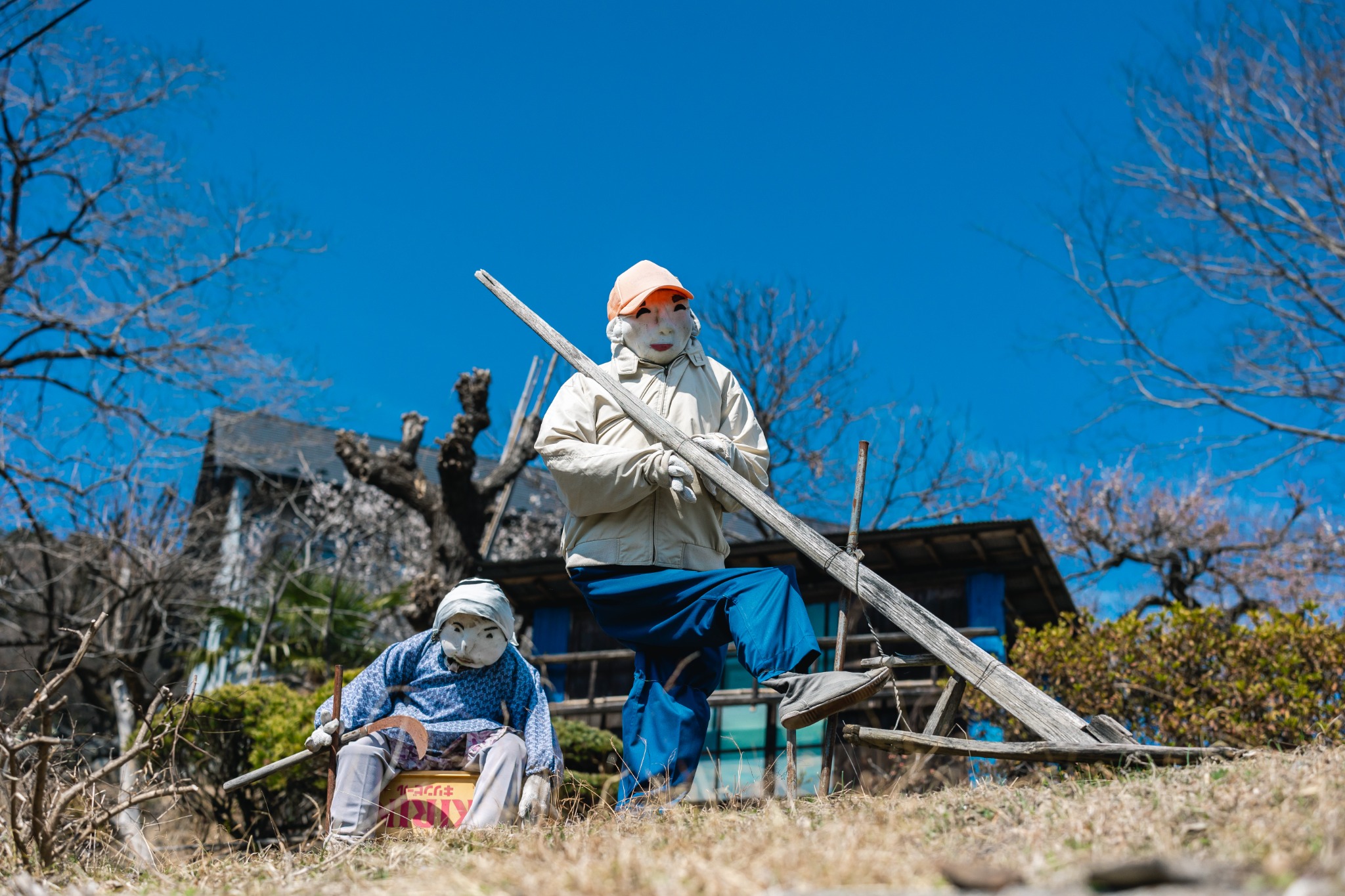
In Niegawa-juku, handmade scarecrows wash clothes, sit outside houses and gather around handcarts. They have been supplied with jackets, shoes, company and things to do. Retirement was apparently not part of the arrangement.
This old post town lies among the mountains near Mitsumineguchi. The figures share its lanes with plant pots, postboxes and the ordinary belongings of the people who live here. The clothes and familiar surroundings make the handmade neighbours look oddly at home, with wooded ridges rising beyond the roofs.
Fukushimaya
The mountains, in a bowl
At Fukushimaya, my order was sansai soba—noodles with “mountain vegetables,” topped with green stems, mushrooms and a large piece of maitake tempura. The menu gave the plants a single line. They occupied rather more of the bowl. I particularly liked the maitake tempura.
Wooden tables, log stools and a raised tatami area fill the restaurant, with railway memorabilia keeping the station across the road represented indoors.
.JPG)
Between the stops · On foot
The scenic way has a slope
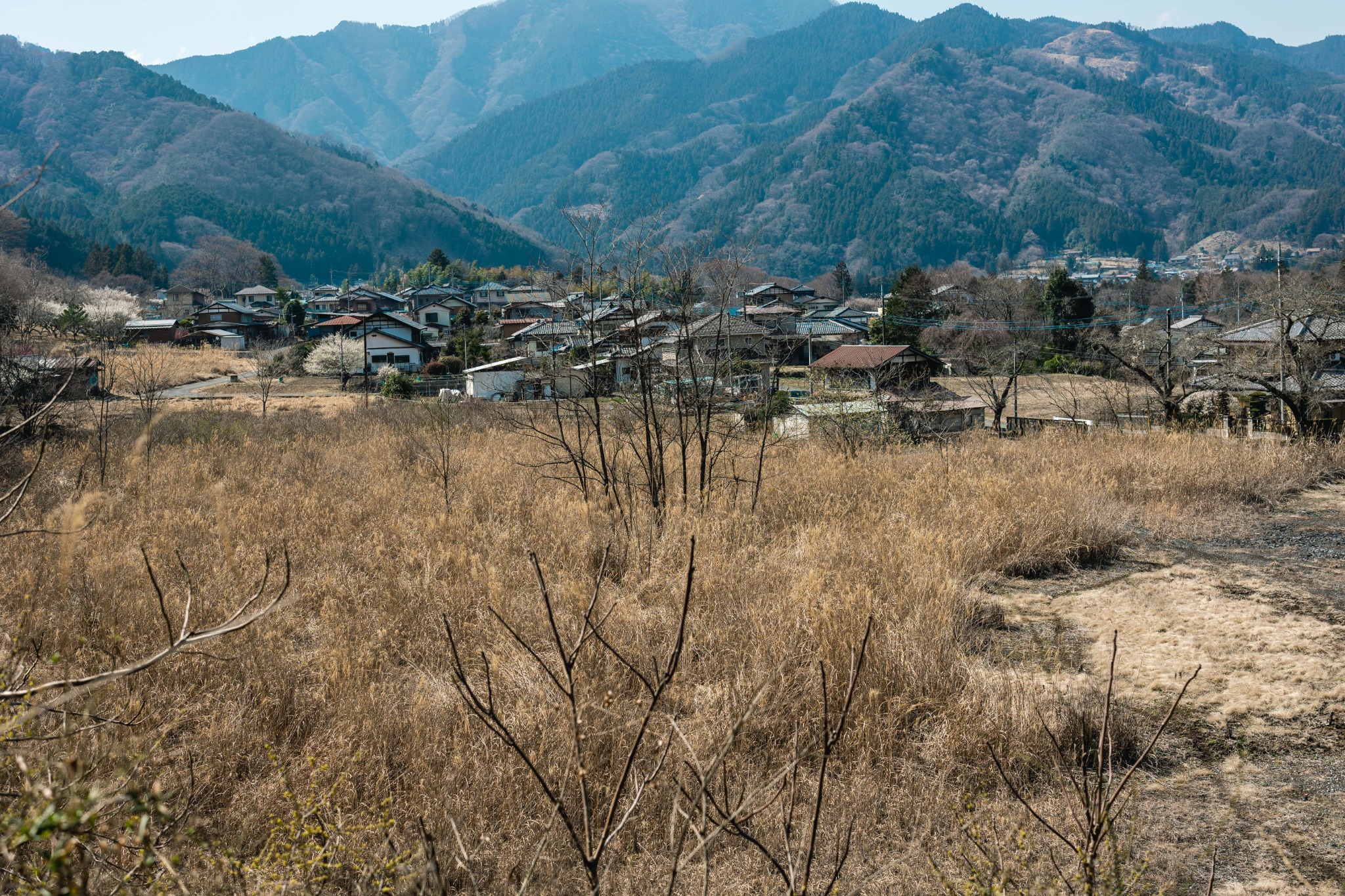
I walked from Fukushimaya to Hounji, roughly 35 minutes from the Mitsumineguchi area. The road passes houses and fields beneath wooded ridges. This is a scenic stretch for anyone who likes mountain country and has the energy for the walk.
The final approach climbs steeply, and I found it tiring. Thirty-five minutes looks fairly modest on a page. The hill was less modest in person. Autumn adds changing leaves to the surrounding slopes, though these photographs were taken in spring.
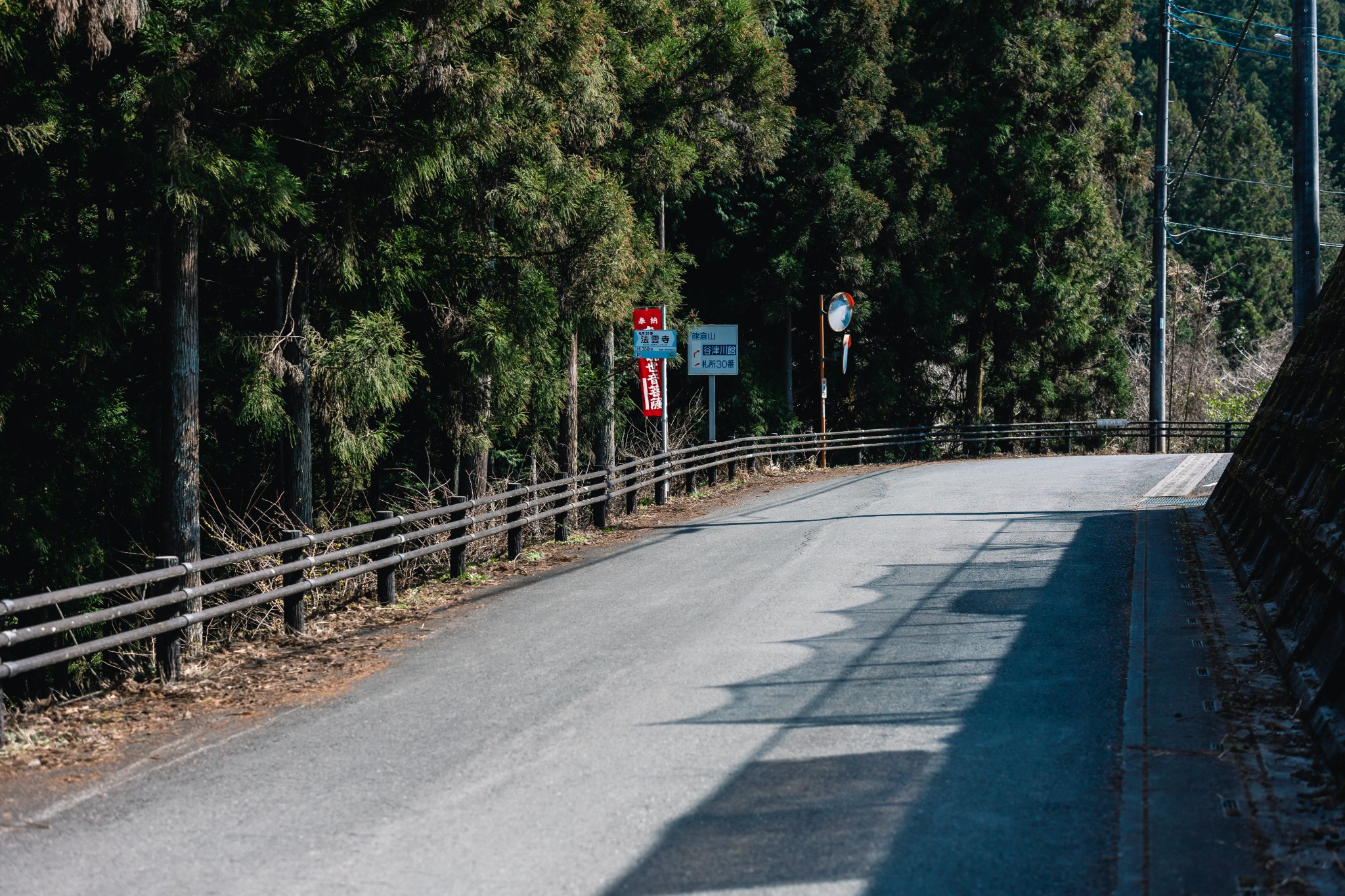
The uphill approach
This is the demanding walk of the day; allow extra time if you prefer a slower pace. Taking the train from Mitsumineguchi to Shiroku shortens the approach but still leaves the climb to the temple.
Services are infrequent, so check the departure before choosing the train option. If the hill is unsuitable, see A shorter day below.
Hounji Temple
A dragon has left something behind
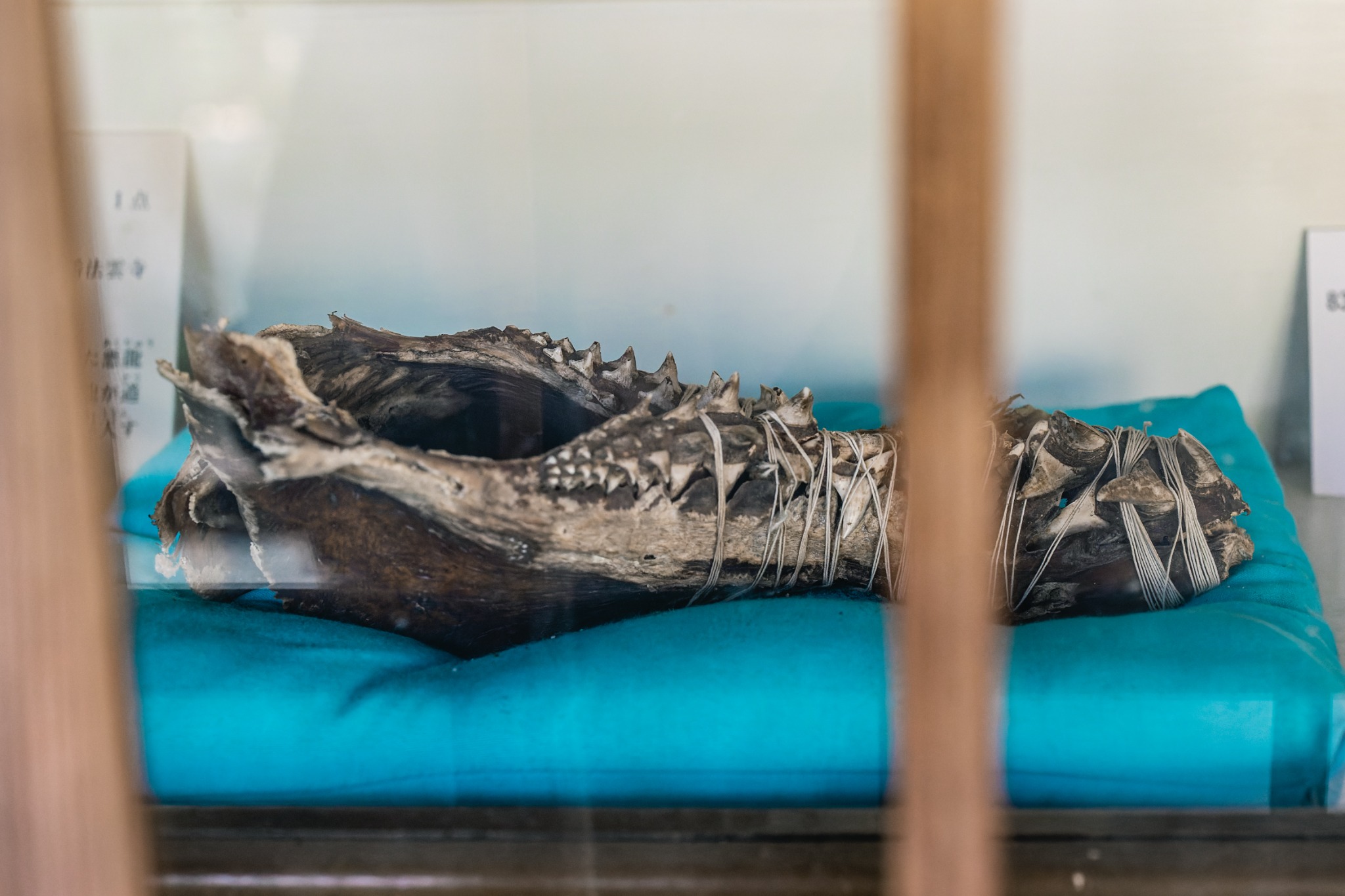
Hounji is number 30 on Chichibu’s 34-temple Kannon pilgrimage. Among its treasures are objects traditionally called a “dragon bone” and a “tengu claw.” Neither sounds like something a temple could easily order a replacement for.
The bone has teeth and a jaw-like shape; the story attached to it reaches far beyond this mountainside, taking in a mirror associated with Yang Guifei, a consort of a Chinese emperor. The quiet grounds and modest display give little warning of quite how far the explanation is going to travel.
The essential train connection
Shiroku → Kagemori
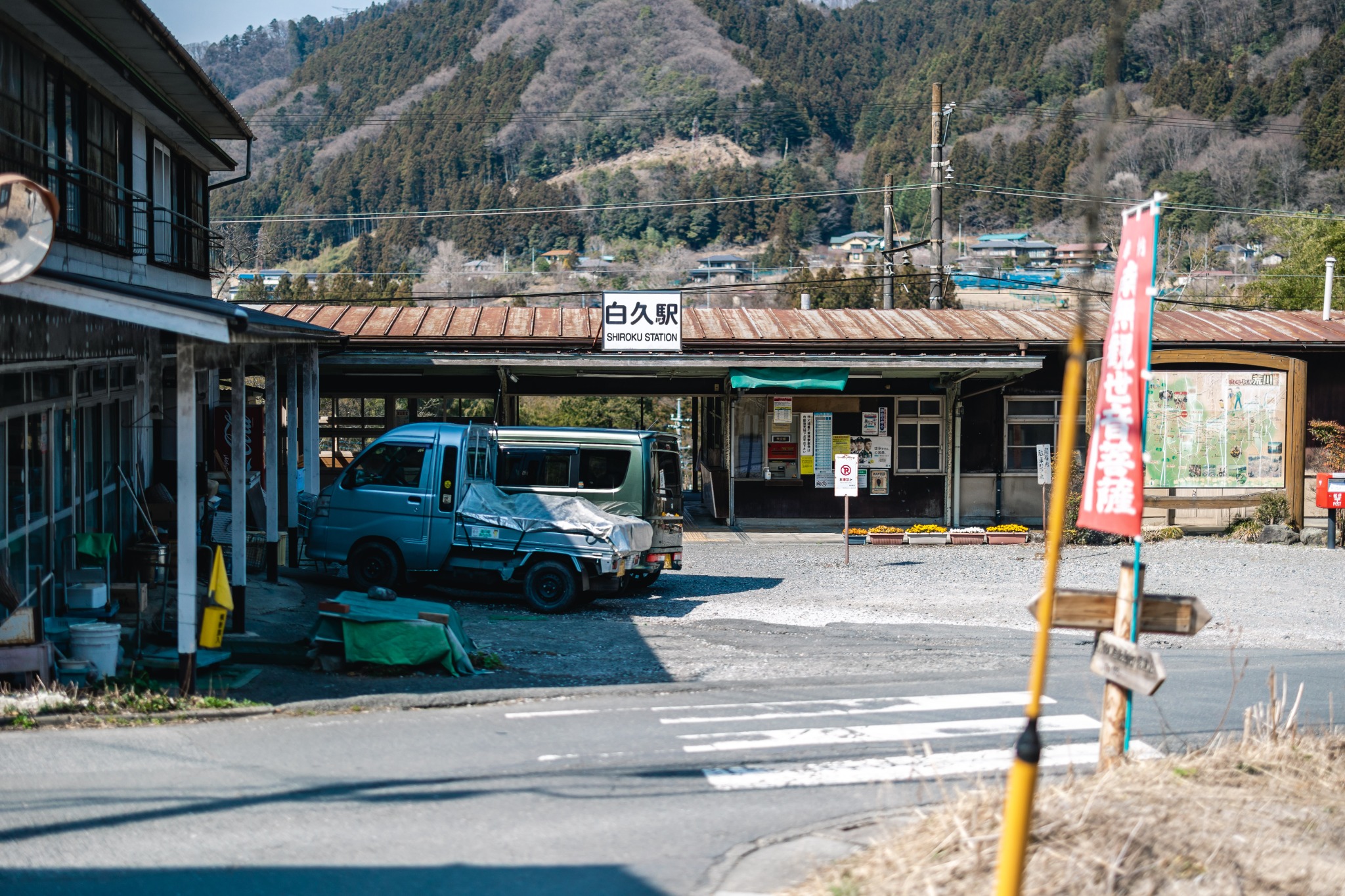
From Hounji, I walked down to Shiroku Station, took the Chichibu Railway to Kagemori, then walked to Chinsekikan, approximately 15 minutes from the station. Shiroku–Kagemori is a train journey on this itinerary; walking the whole stretch would not fit this day.
The current railway timetable is worth checking before the trip, especially for the departure after Hounji. A missed connection can leave a sizeable gap in the afternoon.
Chinsekikan
The stones would like an introduction
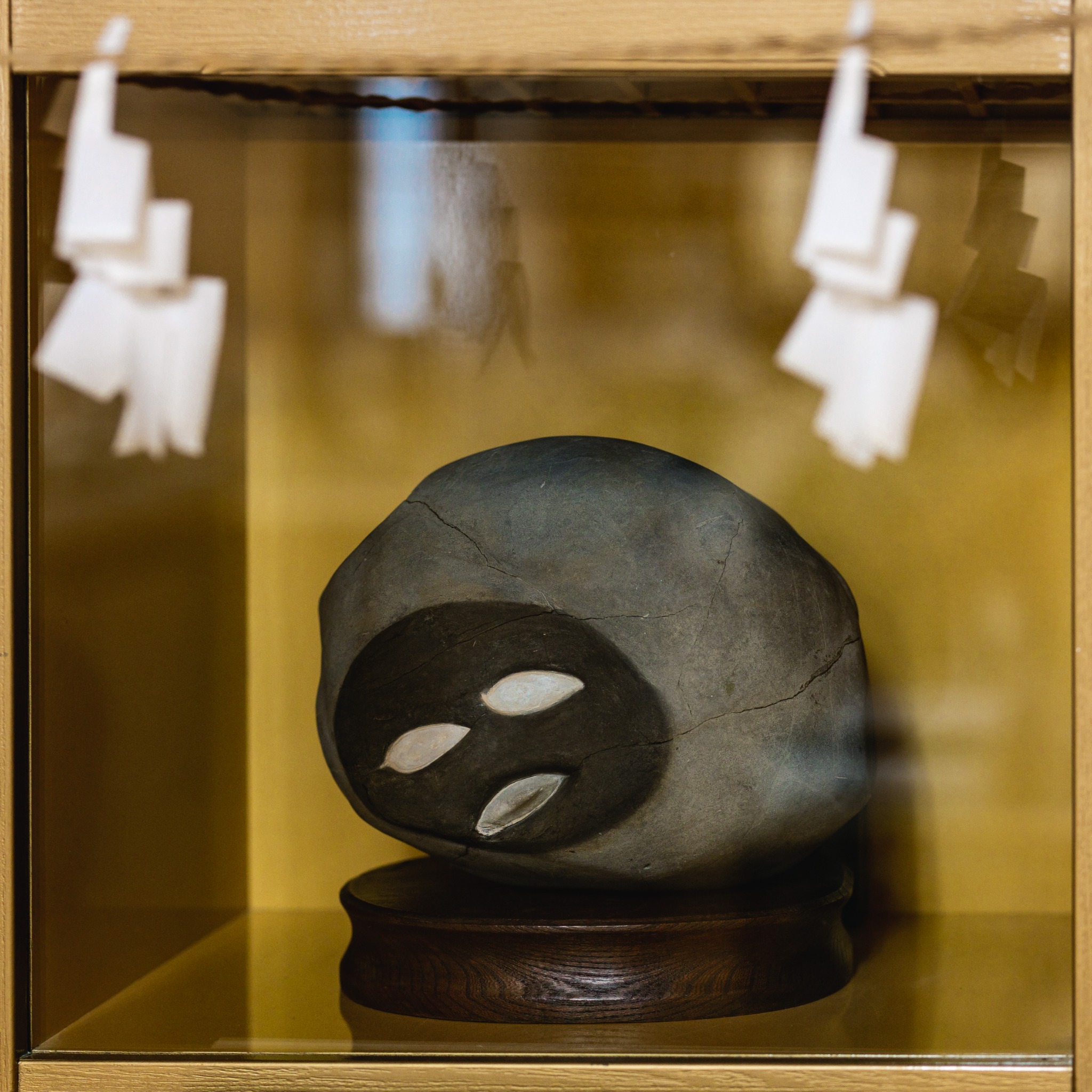
At Chinsekikan—the “Hall of Curious Rocks”—rows of naturally shaped stones appear to have expressions. Jinmenseki-kun, pictured here, is one of the better-known faces. For a collection of things that have never had an opinion, it is remarkably expressive.
The stones sit on individual wooden stands, with handwritten names supplying introductions. Some suggest familiar characters; others seem to have personal problems. Behind the glass is a collector’s lifetime of finding something in rocks that most of us would probably have walked past.
If an unnamed stone is available, you may be able to give it a name yourself. I left one with courtly credentials.
Pari Shokudo
A historic building that serves dinner
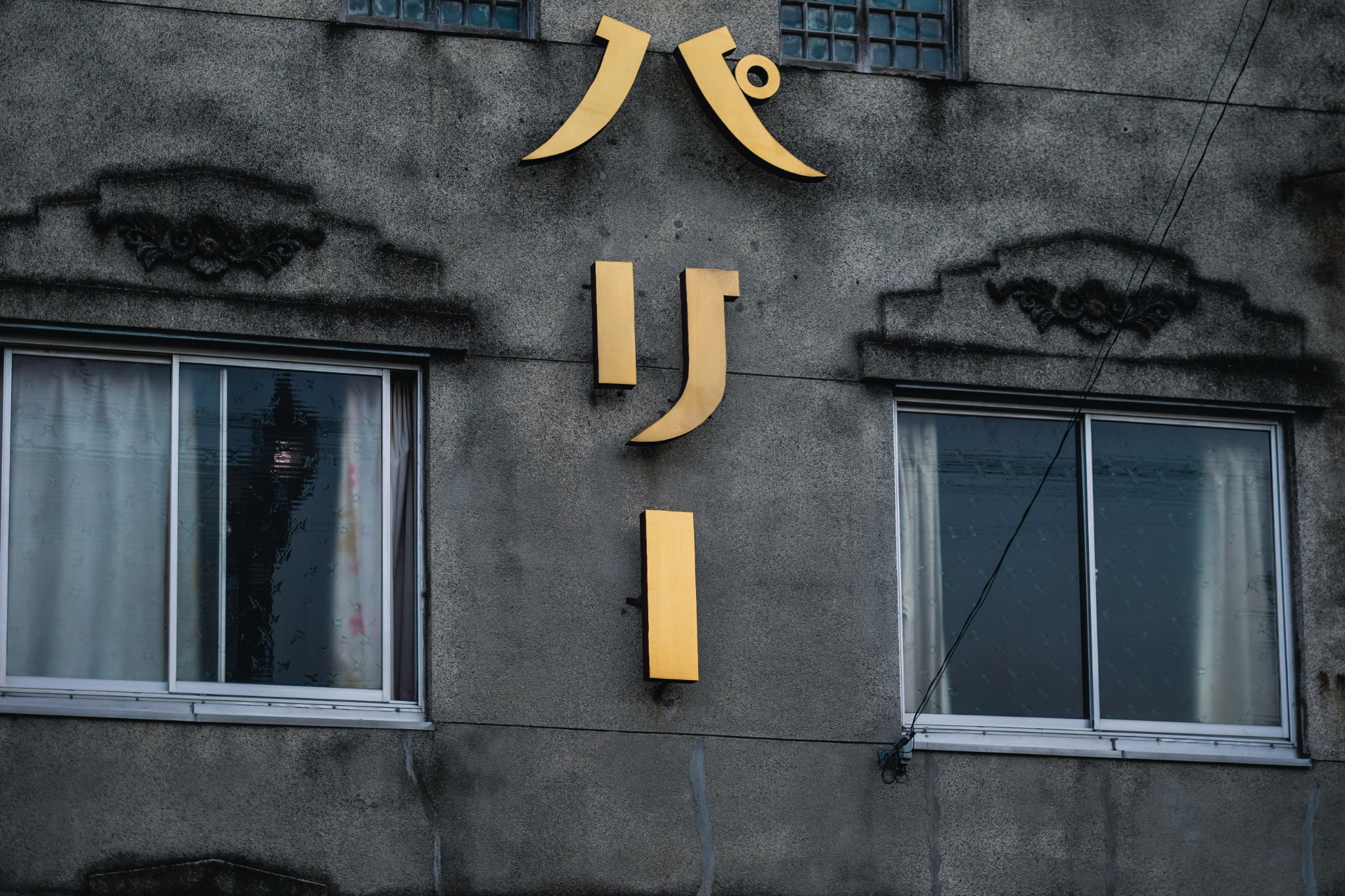
Pari Shokudo occupies a 1927 building registered as a tangible cultural property. Behind the old lettering and tiled façade is a working dining room, with old tables and chairs and meals arriving from the kitchen.
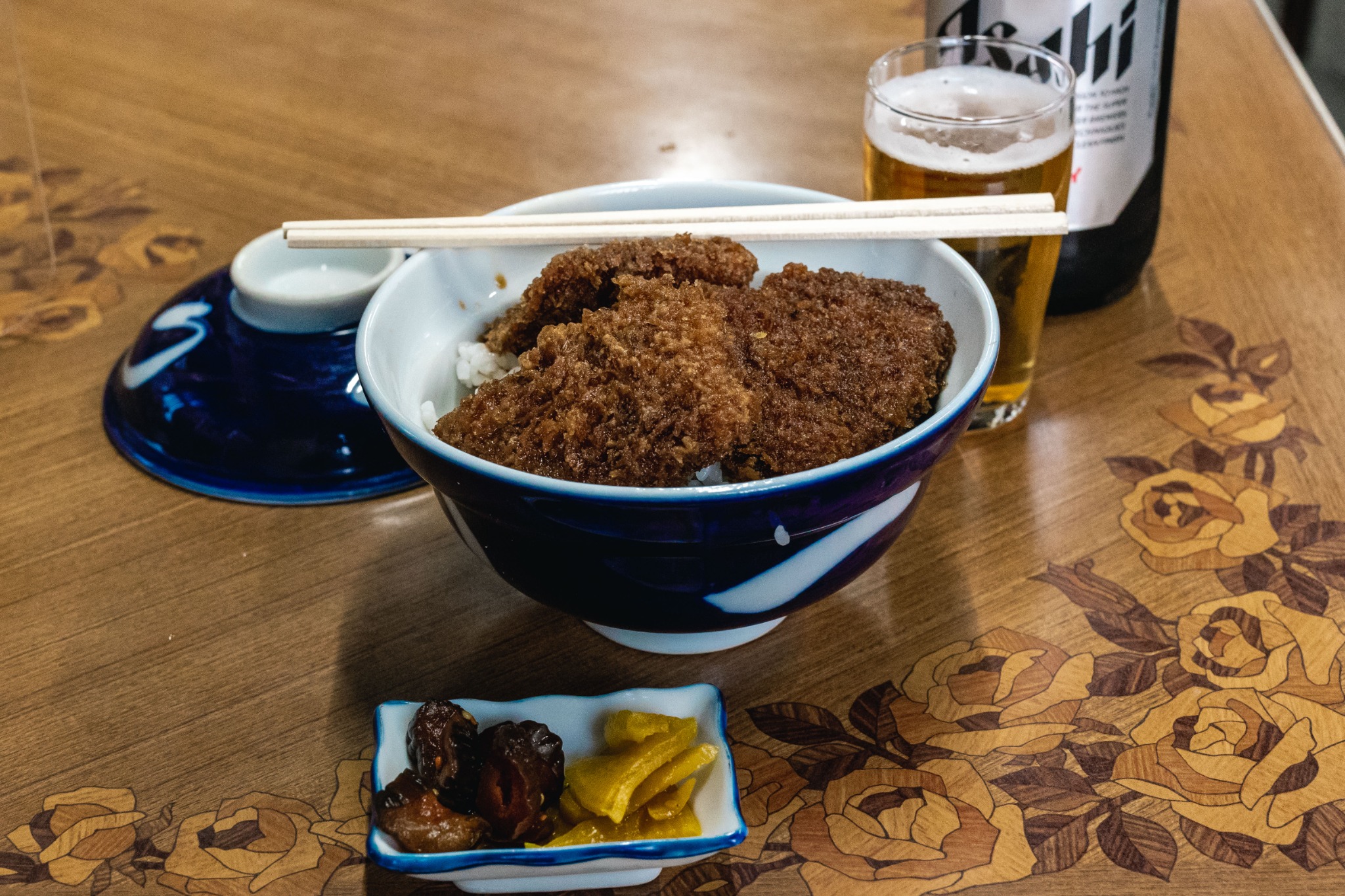
I ate sauce katsudon, pork cutlets over rice, after the village, temple and museum. A cultural property that produces dinner is a useful discovery at that point in the day. The building is protected; the contents of the bowl are another matter.
Restoration work is planned from around October 2026; see the note under Check these before choosing a day.
After dinner · Optional
A little more of the old town
Other old buildings stand in the streets around Pari Shokudo, so a short walk after dinner makes an easy addition. Or dinner can be the end of the day. The station is nearby if the day’s walking has been enough.
I left from Ohanabatake. For a Seibu limited express back to Ikebukuro, the departure point is the separate, nearby Seibu-Chichibu Station. In autumn and winter, the old-town walk may be after dark.
In Chichibu, scarecrows get chores, stones get names and one bone gets an entire dragon. Dinner, fortunately, was simply dinner.
Plan the route
Five stops, connected by feet and rails
The map locates the five stops; it is not a walking route between every pin. Use the train for Shiroku–Kagemori. The Niegawa-juku pin marks the parking area near the village, not a private house.
The map loads as you approach it.
Includes stations and suggested stops. Opens in a new tab.
Getting here & back
Allow about 2–3 hours from Ikebukuro to Mitsumineguchi using a Seibu limited express and the Chichibu Railway, including the transfer. This is a planning estimate; connections change the total. Add the journey from your accommodation to Ikebukuro.
Take the limited express to Seibu-Chichibu, then allow 10–15 minutes on foot to Ohanabatake for a train to Mitsumineguchi. Seibu’s advertised 77-minute fastest journey ends at Seibu-Chichibu; the route starts farther into the mountains.
The limited express needs a reserved-seat ticket as well as the base fare. Check the complete outward journey and return service before booking. After dinner, use Seibu-Chichibu for the limited express back to Ikebukuro.
Seibu limited express & tickets
Ohanabatake transfer information
Chichibu Railway timetables
Transport information last checked: September 26, 2026. Check connections for your travel date.
Check these before choosing a day
- Chinsekikan: its official account lists 10:00–17:00, closed Tuesdays. Check current notices or contact the museum before a special trip.
- Fukushimaya: the tourism association lists Thursday closure. Confirm lunch service; listings differ. The dish is 山菜そば (sansai soba) on the menu.
- Hounji: consult the official pilgrimage page for visiting arrangements. The dragon bone, tengu claw and mirror are on permanent display behind glass and can be viewed from outside. The principal Kannon image is normally hidden; special openings are separate from the treasures described here.
- Pari Shokudo: its official website lists 11:30–19:00, last orders 18:30, with irregular closures. Restoration work is planned to start around October 2026 and take about six months, according to the operator’s July 24, 2026 announcement. Check the latest notices for access to the historic building and the current trading location.
Information last checked: September 7, 2026 (Hounji’s treasure display: October 3, 2026). Opening arrangements can change.
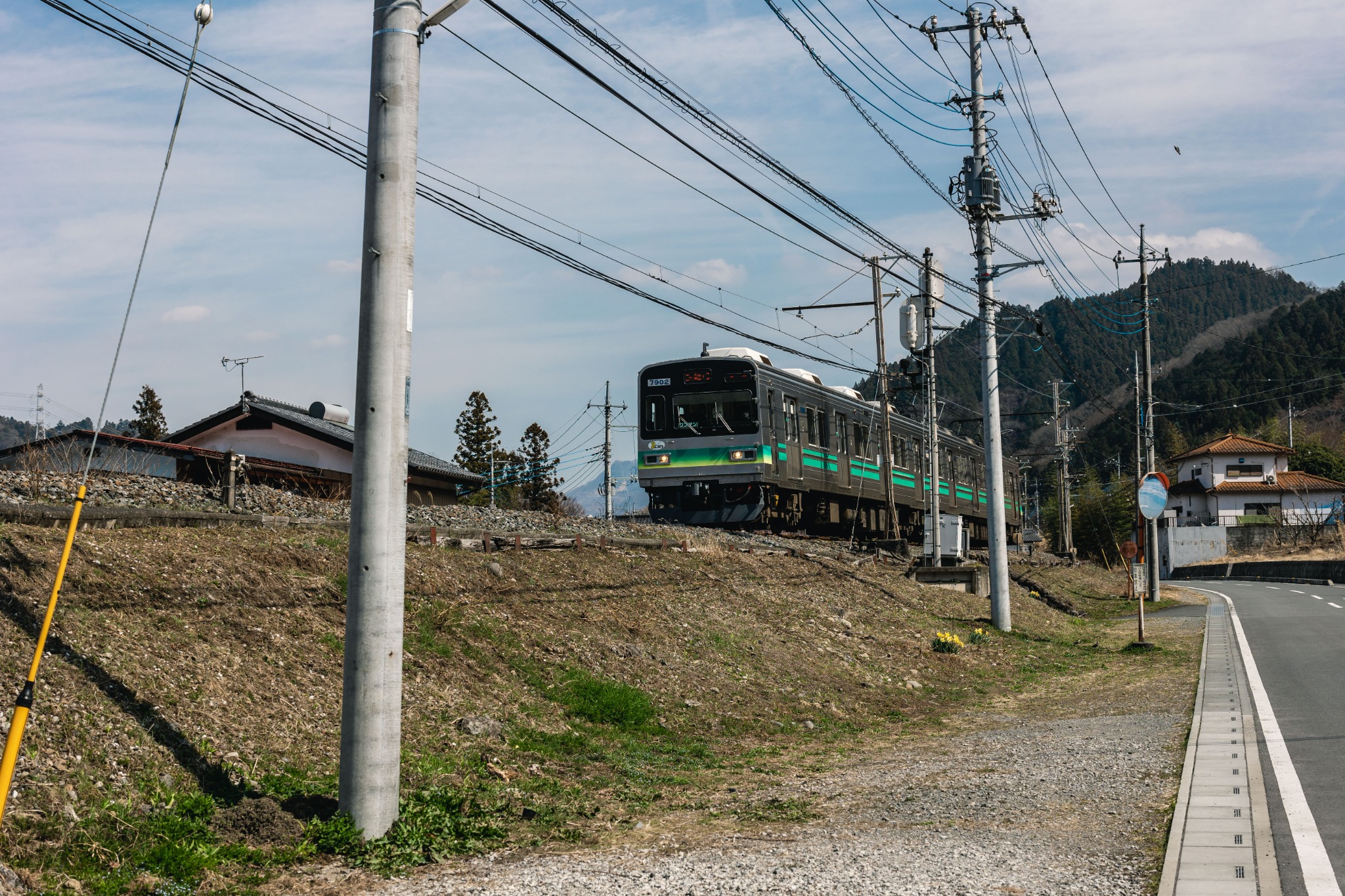
Station names to keep handy
- Mitsumineguchi 三峰口
- Start here for the village and lunch.
- Shiroku 白久
- Board here after Hounji.
- Kagemori 影森
- Get off here for Chinsekikan.
- Ohanabatake 御花畑
- Chichibu Railway station near dinner.
- Seibu-Chichibu 西武秩父
- A separate station for the Seibu journey to Ikebukuro.
A shorter day & useful details
To skip the steep climb: after lunch, take the train from Mitsumineguchi to Kagemori and continue to Chinsekikan, leaving out Hounji. Check the next train before lunch. Restaurant and museum closures may also affect the route; their opening information is linked above.
In Niegawa-juku, the figures are among people’s homes, so viewing is from public paths rather than private gardens or doorways.
Water, comfortable shoes and some cash are useful for this day. The individual stories include addresses and visitor information. For help with lunch orders, there is also a guide to eating somewhere with no English menu.
Conversation
Comments
Review pending commentsComments are reviewed before appearing. The internet already contains enough unattended surprises.
Checking comments…
Comments are not available in this migration preview yet. Existing comments remain on the current site.
Leave a comment