Jigokudani Monkey Park: Sorry, Monkeys Only
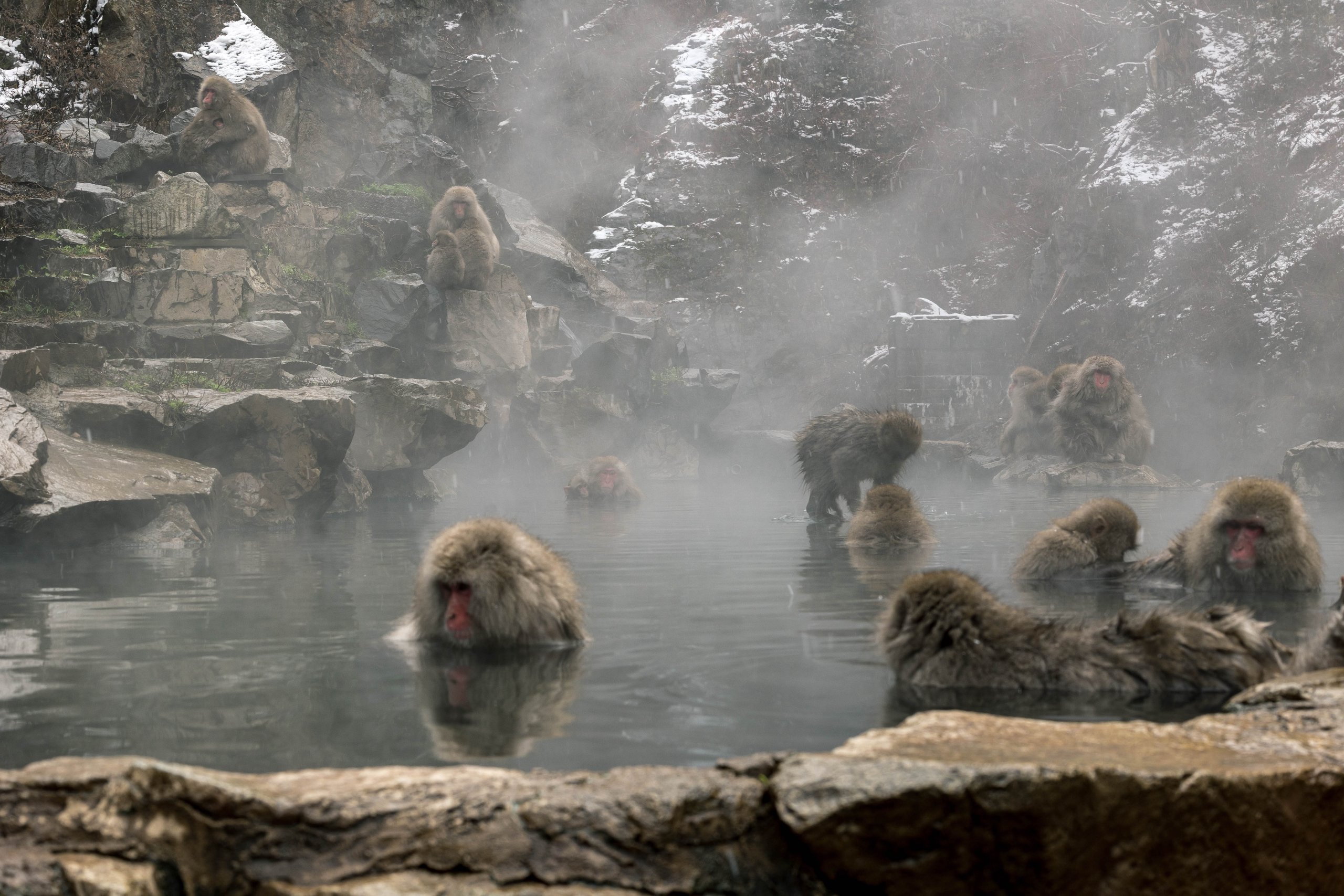
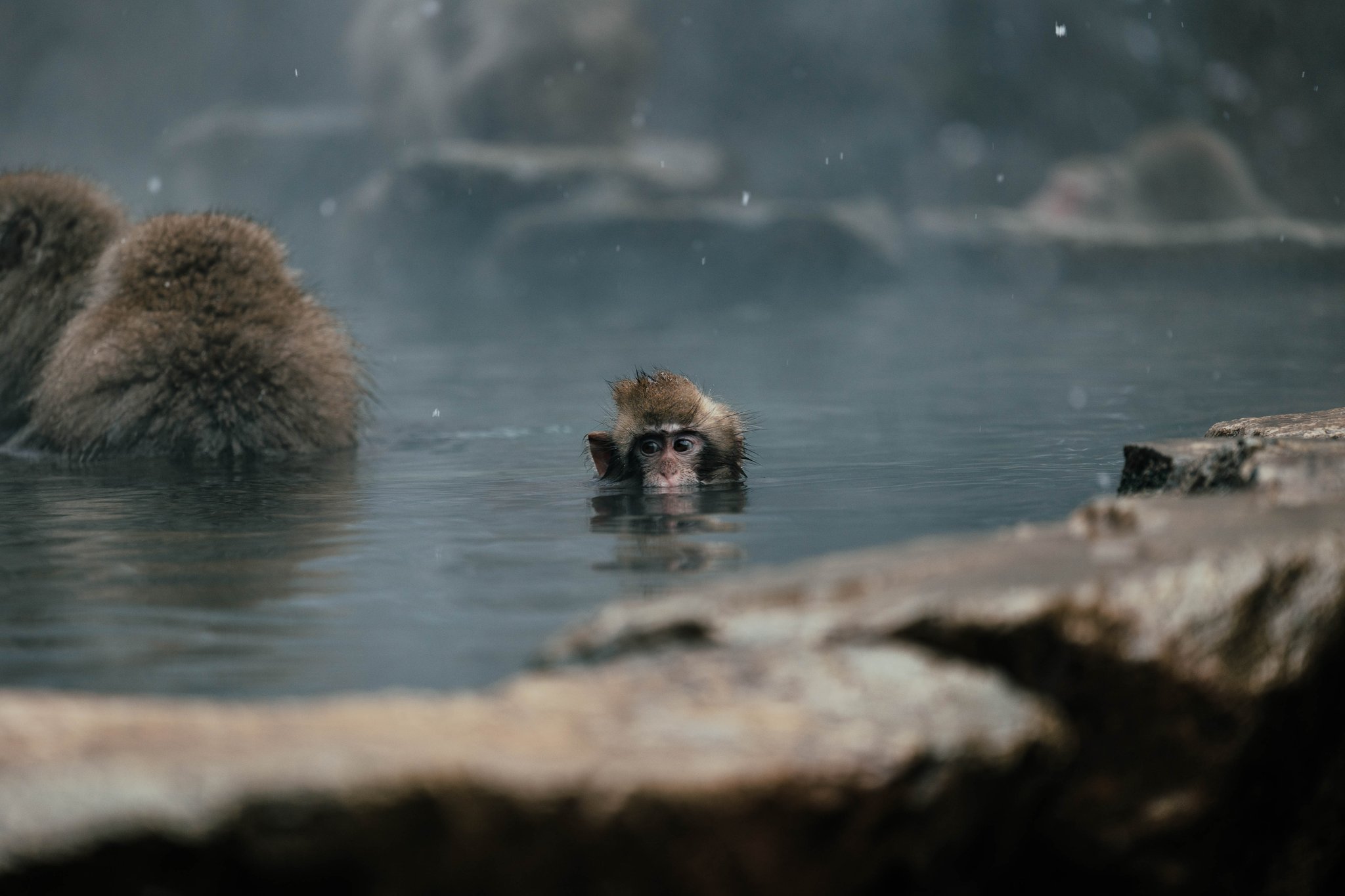
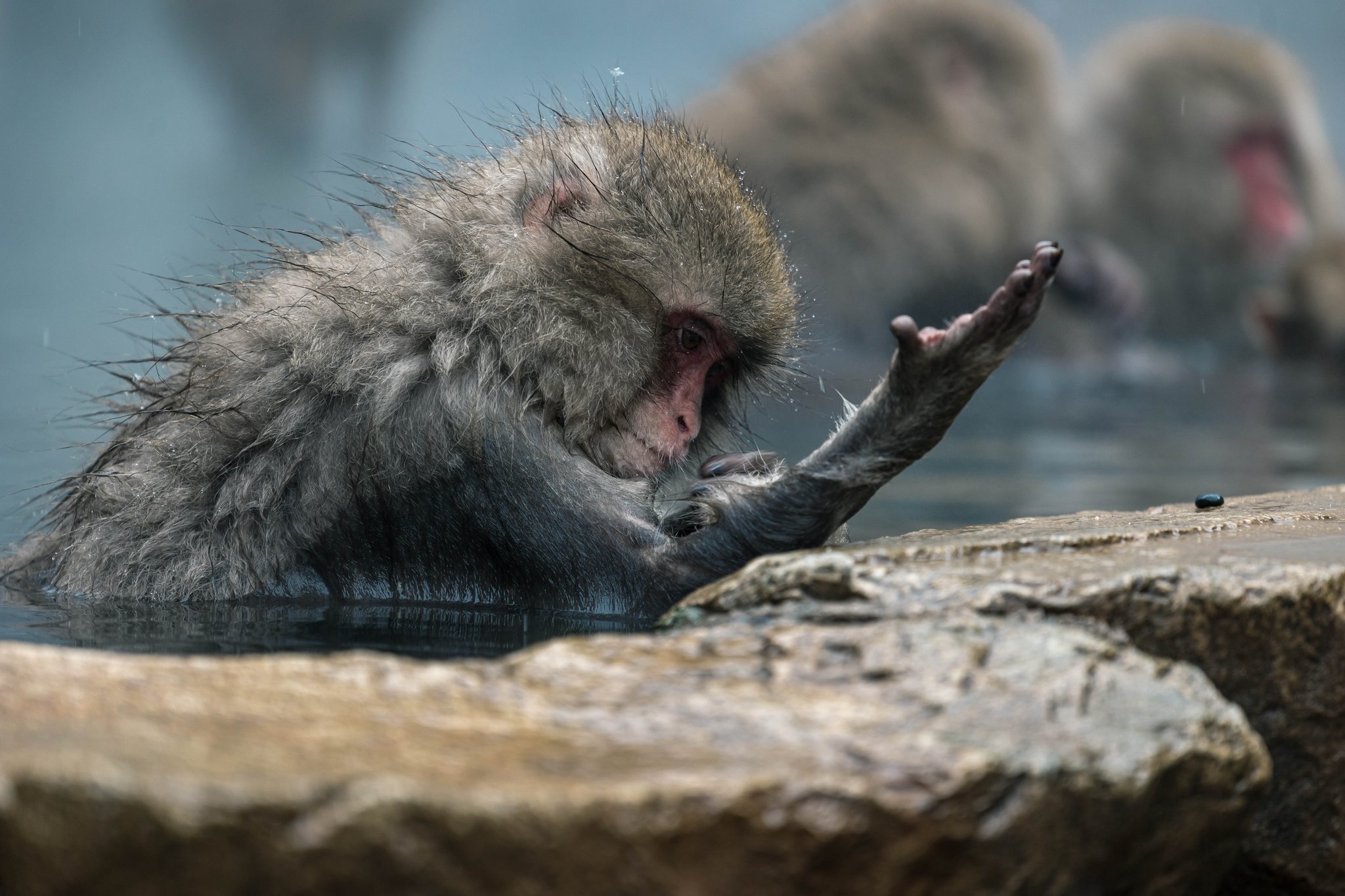
It was snowing into the hot spring. A monkey sat at the edge with snowflakes settling on its head, while another worked through the fur on its back. Neither of them looked up.
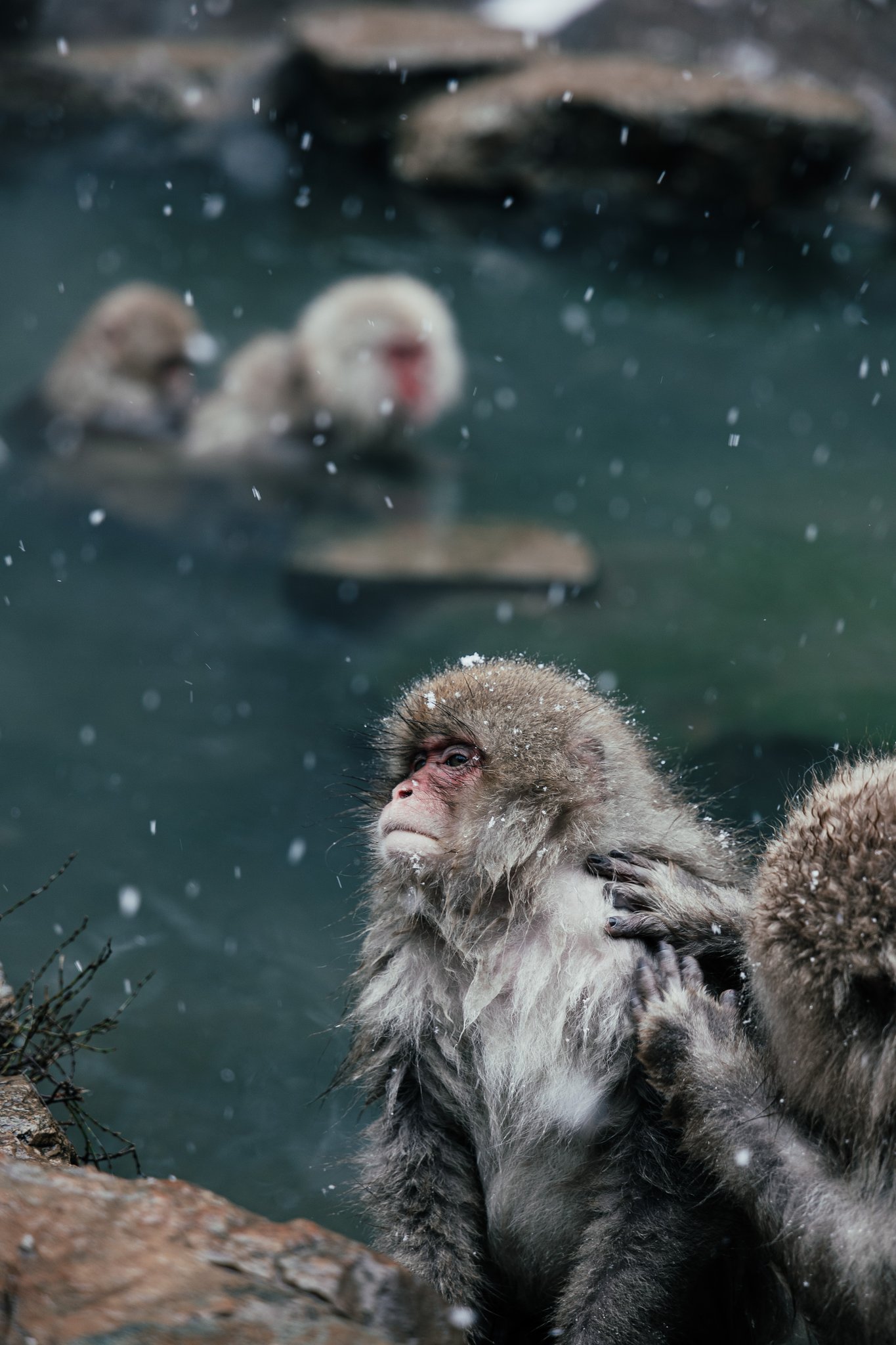
At most hot springs in Japan, cameras are not welcome anywhere near the bath. At this one, visitors stand along the edge and point theirs straight at the water, and the bathers have yet to complain. The monkeys were naked, which is correct onsen etiquette. The visitors were wearing everything they owned, which was correct for the weather.
This was Jigokudani Yaen-kōen, a park for wild monkeys in the mountains of northern Nagano Prefecture, better known abroad as the Snow Monkey Park, or Jigokudani Monkey Park. It sits 850 metres up in the valley of the Yokoyu River, where snow covers the ground for about a third of the year.
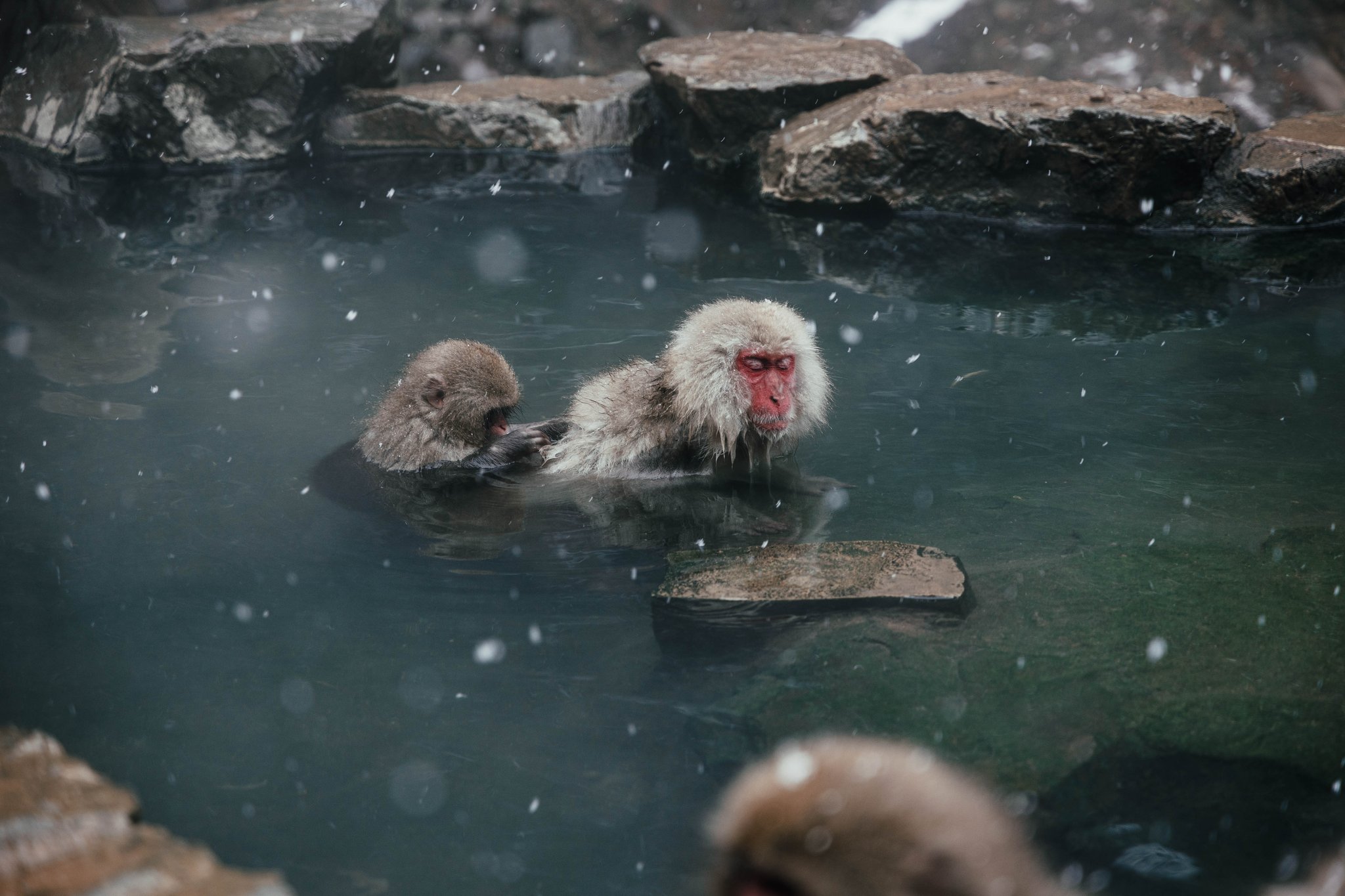
The park has the rules you would expect at a place full of wild animals: no feeding the monkeys, no pets. It also has one I have not seen at any other hot spring. Visitors may not get into the bath with the monkeys.
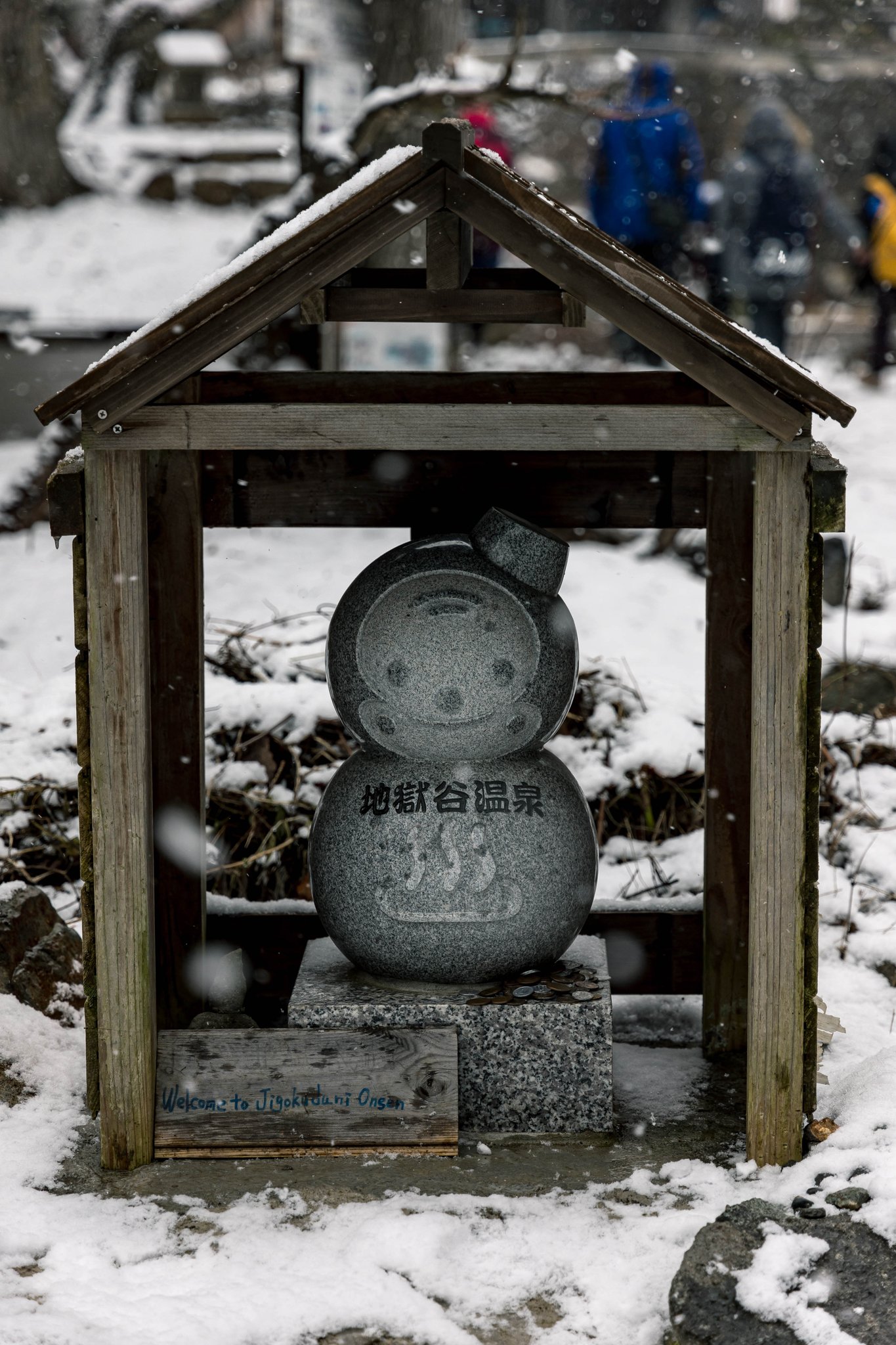
The way into Hell Valley
The last part of the journey is on foot. From the car park at Kanbayashi Onsen, a path runs about two kilometres up the valley. It takes around half an hour. In mid-December there was snow on the ground and more on the way.
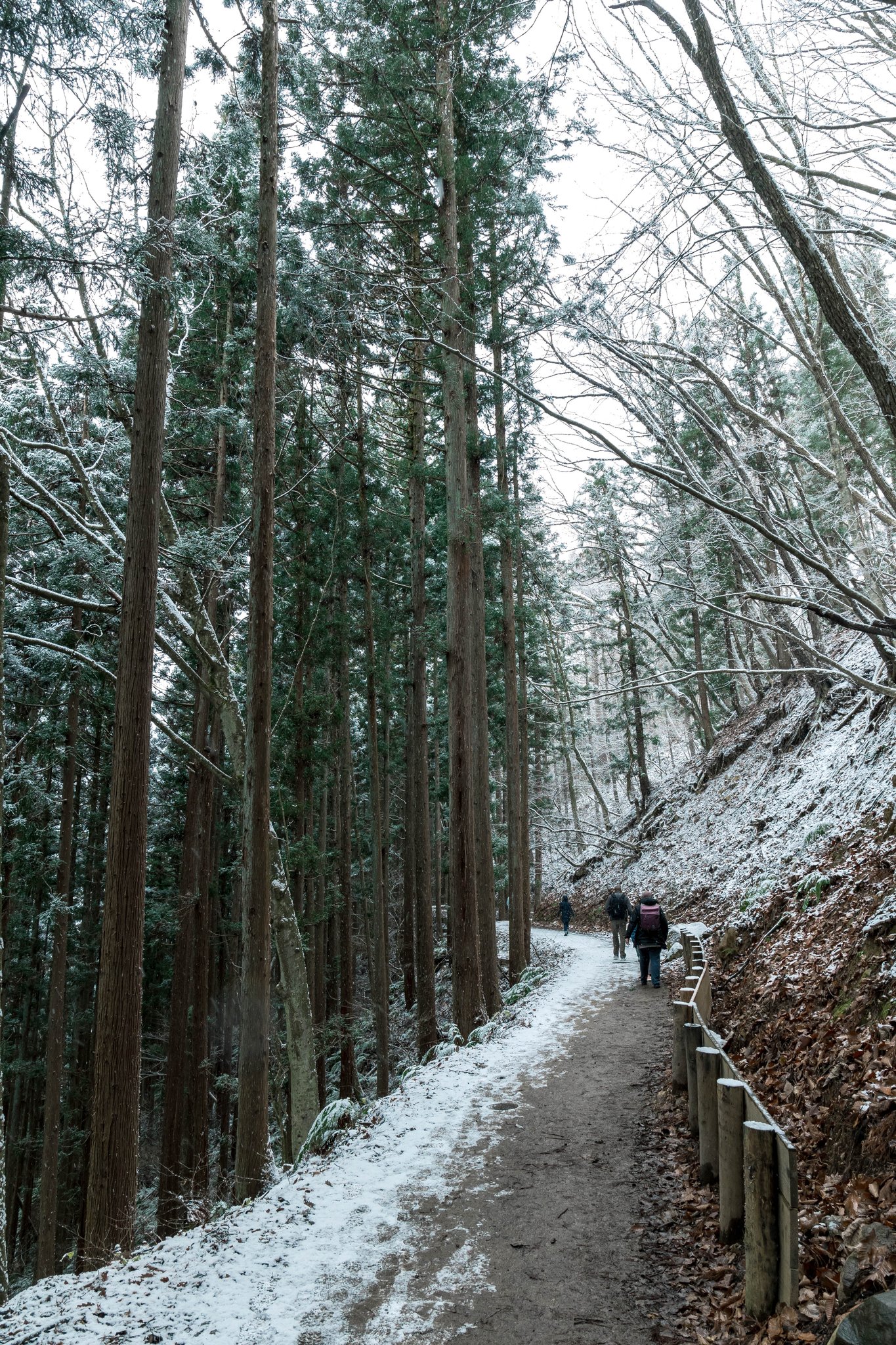
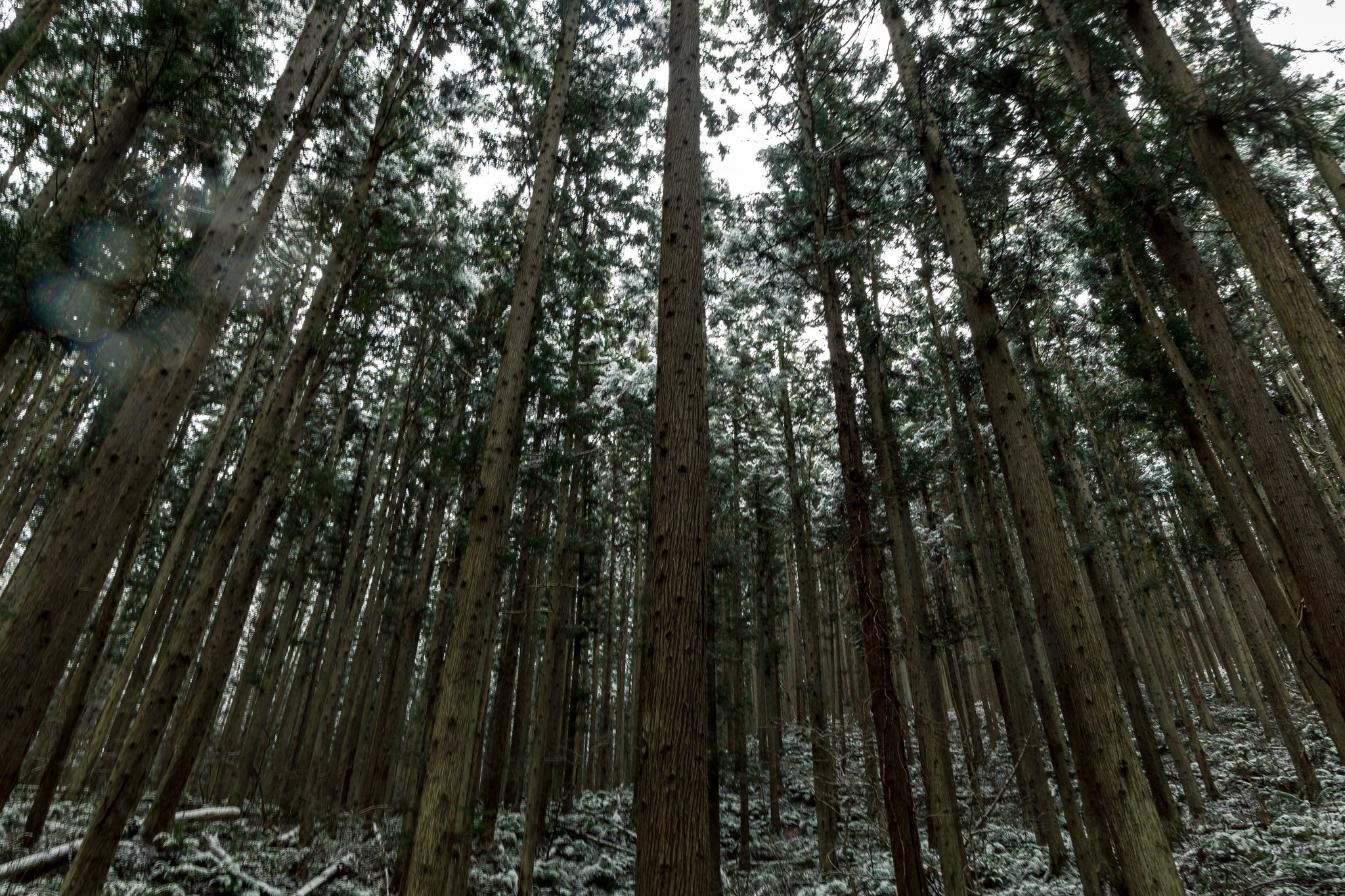
Jigokudani means Hell Valley, after the steam that rises from the hot springs and the geyser along the river. The walk in was mostly cedar trees.
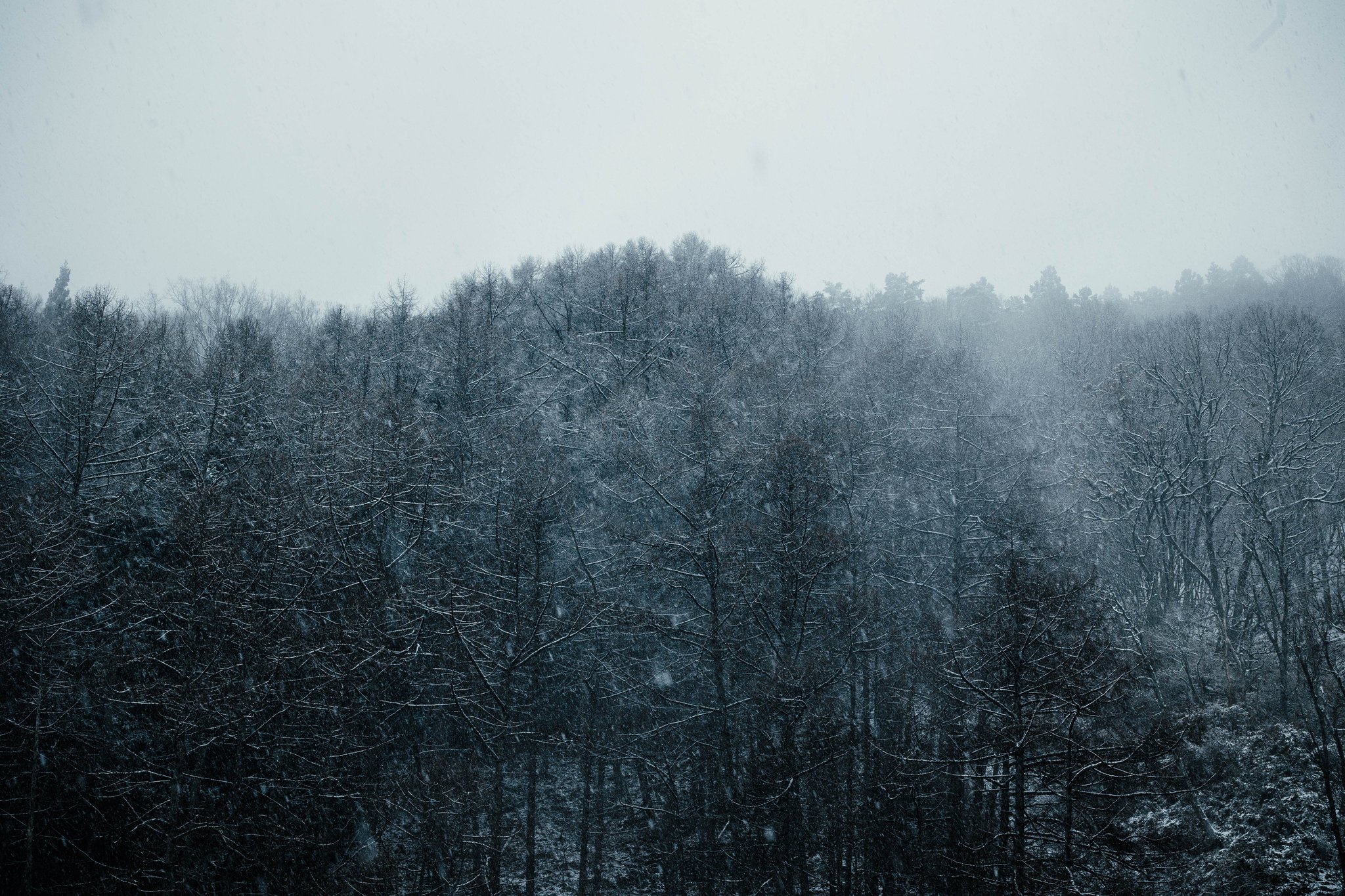
Japanese macaques live farther north than any other monkey, and this troop spends its winters in snow. It has not always spent them in this valley. After the Second World War, logging cleared the forests higher in the mountains where the monkeys found their food. They came down, and some of them found the apple orchards downstream, around the hot-spring town of Yudanaka.
The apples in Yudanaka’s orchards became forbidden fruit. The consequences were not biblical, but they were serious. The monkeys were declared pests, and permission was given to shoot fifty of them.
The man who would become the park’s first director objected. His counter-proposal was more apples. From 1962, he and a few helpers used them to draw the troop into Jigokudani, well away from the orchards, and spent about three years winning its trust. The park opened in 1964.
An apple in the bath
The feeding ground was close to Kōrakukan, an inn that had been taking in guests beside the valley’s hot springs since 1864, a century before the park. It had an outdoor bath.
In the winter of 1963, according to one of the earliest accounts, an apple landed in that bath and floated there. A young monkey climbed in to fetch it. So far, this was simply appetite. Then it climbed in again.
The apple was gone. The monkey went back in anyway.
Several people saw young monkeys getting into the inn’s bath that winter, and nobody can say for certain which one was first. The founder’s own account describes a two-year-old putting its fingers into the water and moving them around, then putting in one foot, then the other, and finally sinking in up to its neck. It tested the water the way people do, and then did what people do next.
The habit spread from the young upwards. Monkeys of the same age followed first, then slightly older ones, and within a year, adult females. Babies born to bathing mothers grew up bathing. Adult males who join the troop from elsewhere have never taken it up. Some customs are hard to adopt mid-career.
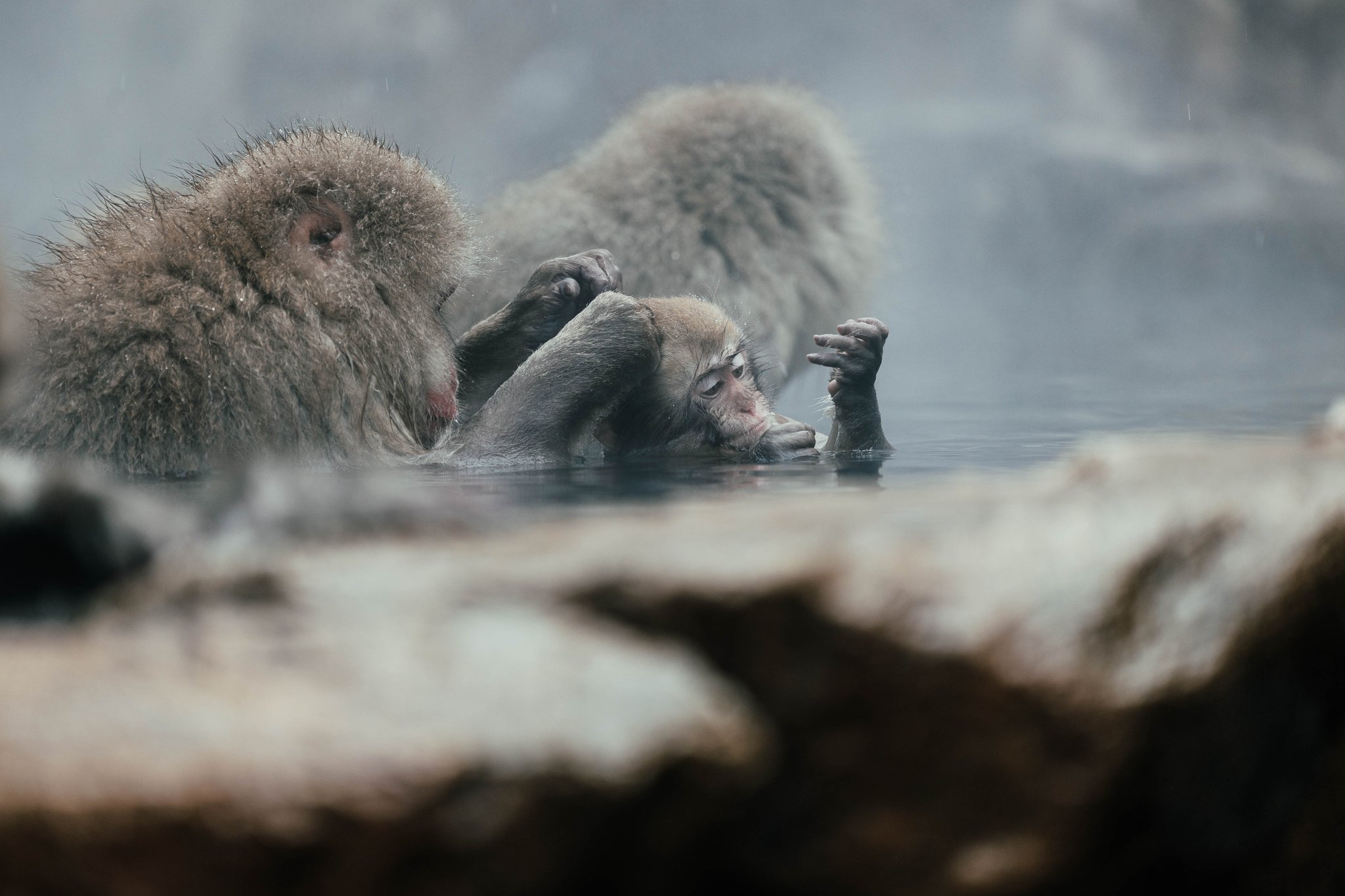
Monkeys only
The inn’s bath had, of course, been built for people. In November 1967, the park gave the monkeys one of their own, separate from the inn. The reason given was hygiene. Whose hygiene, the records do not say. It is the bath they still use.
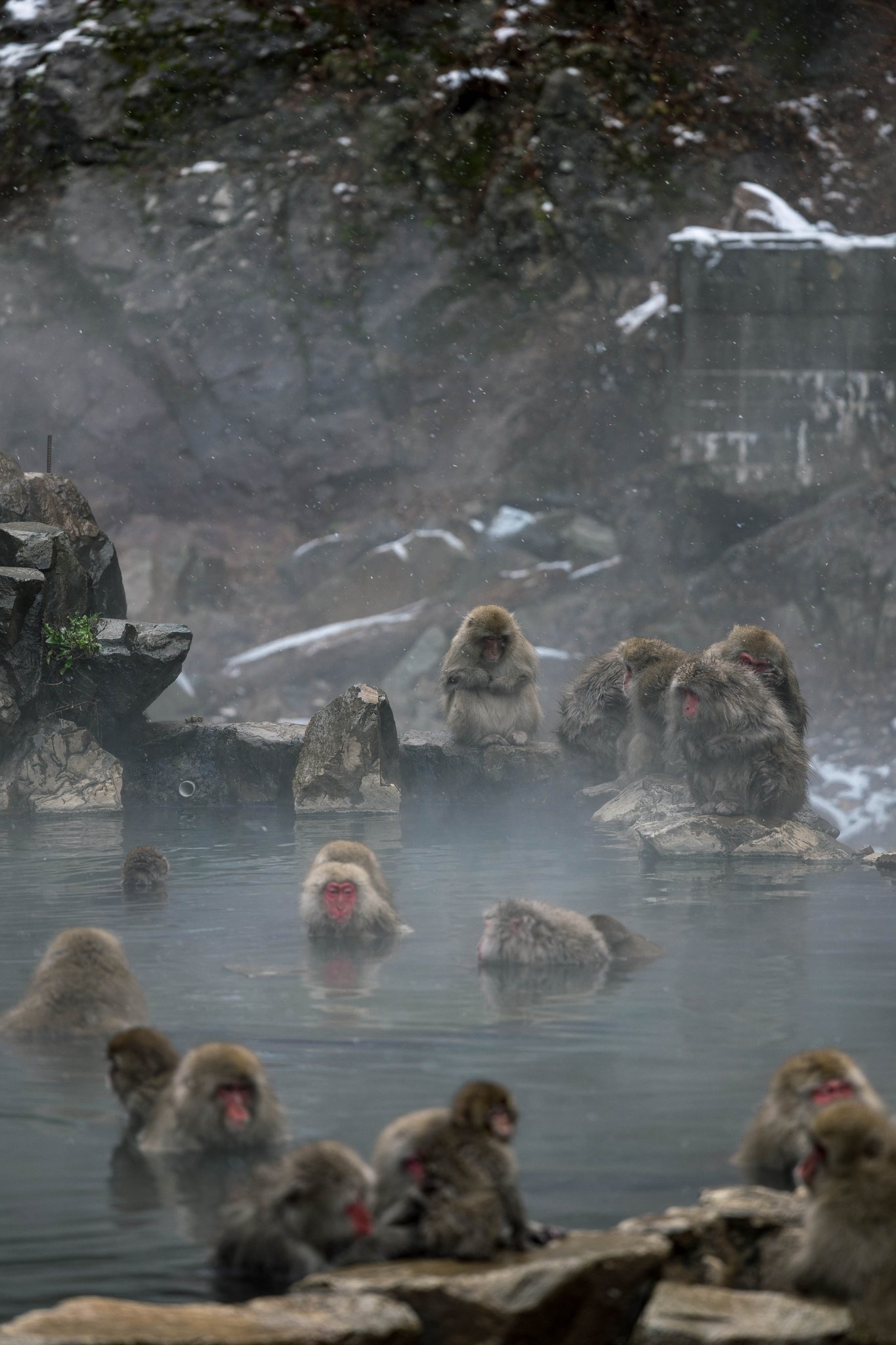
In 1970, a bathing monkey with snow on its head appeared on the cover of the American magazine LIFE. The 1998 Winter Olympics in Nagano brought visitors from around the world. The monkeys have been famous ever since, which does not seem to have changed them much.
The rule about not bathing with them reads differently once you know the history. In 1963, it was a monkey that got into the humans’ bath, uninvited.
These days, it is the humans who are not allowed in.
The monkeys are not behind glass, either. They use the same paths as the visitors, and nothing stands between the two but the rules.
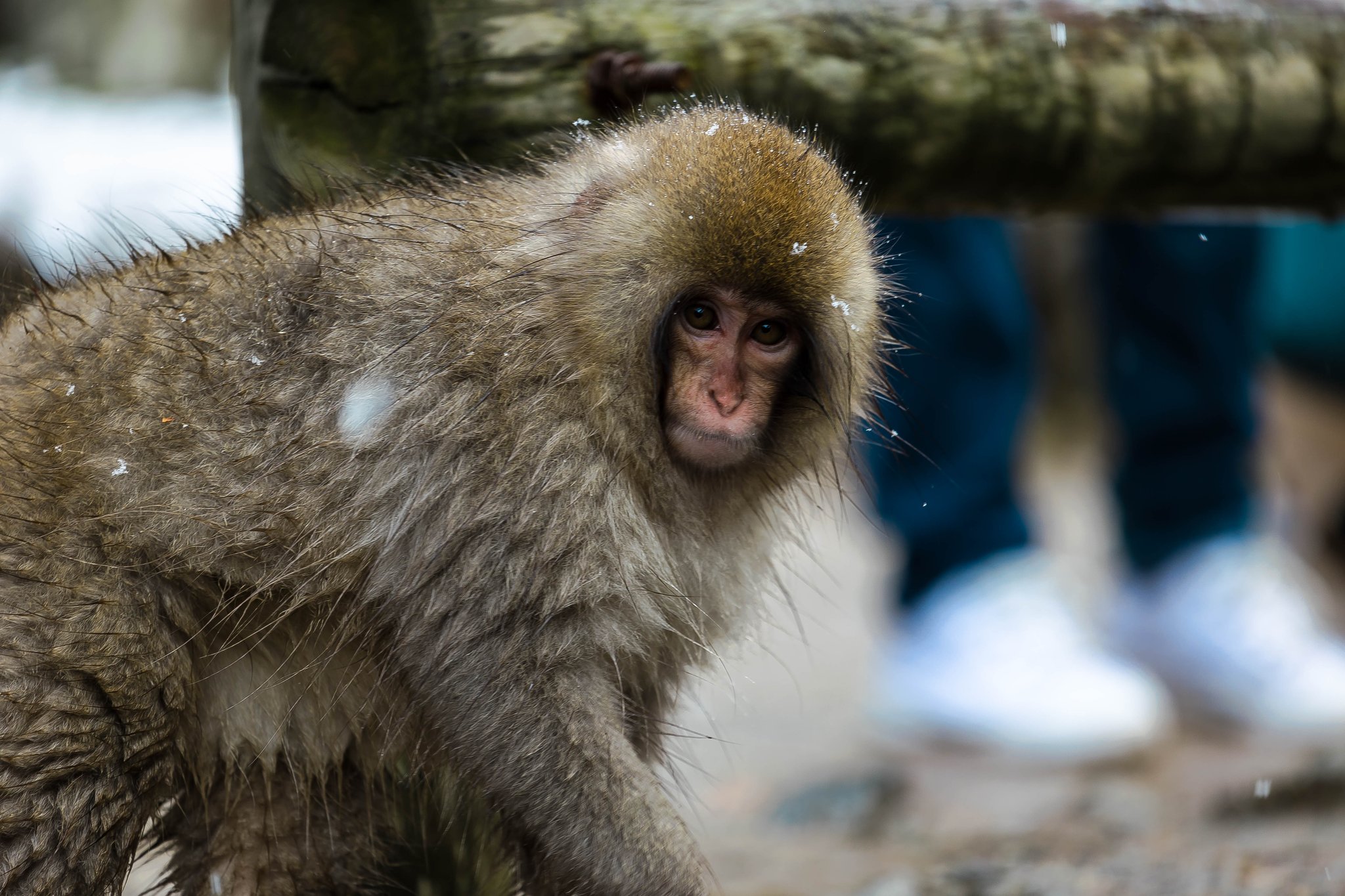
Most of them stay dry
Looking back through my photographs, I noticed that a good many of the monkeys were not in the bath at all. They were grooming on the bank, sitting on the rocks with babies in their arms, or huddled together against the snow.
Bathing here is a custom, not an instinct, and not everyone keeps it. In 2018, a researcher counted around forty bathers in a troop of about 160. The world’s most famous bathing monkeys are, for the most part, monkeys who do not bathe.
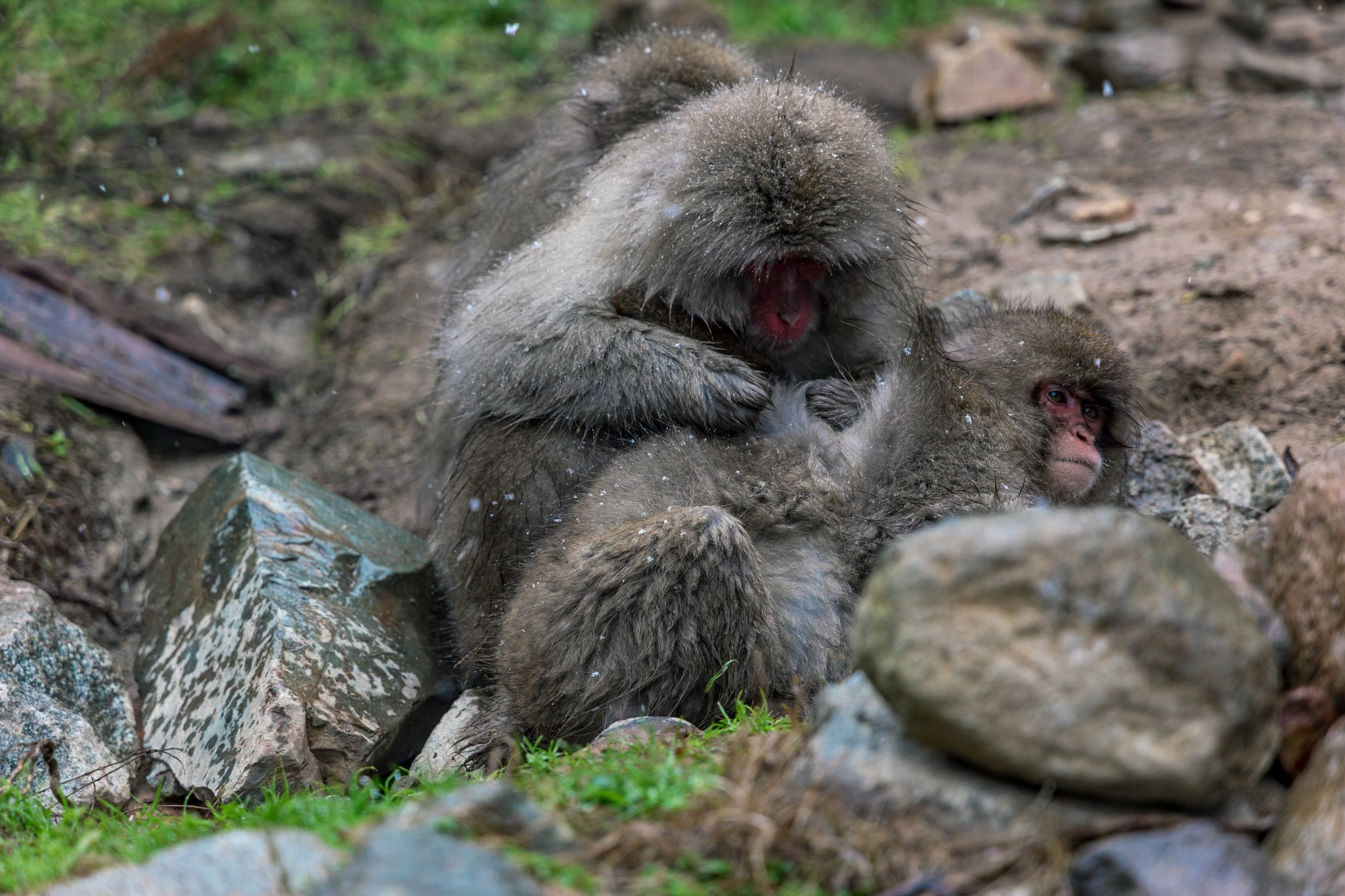
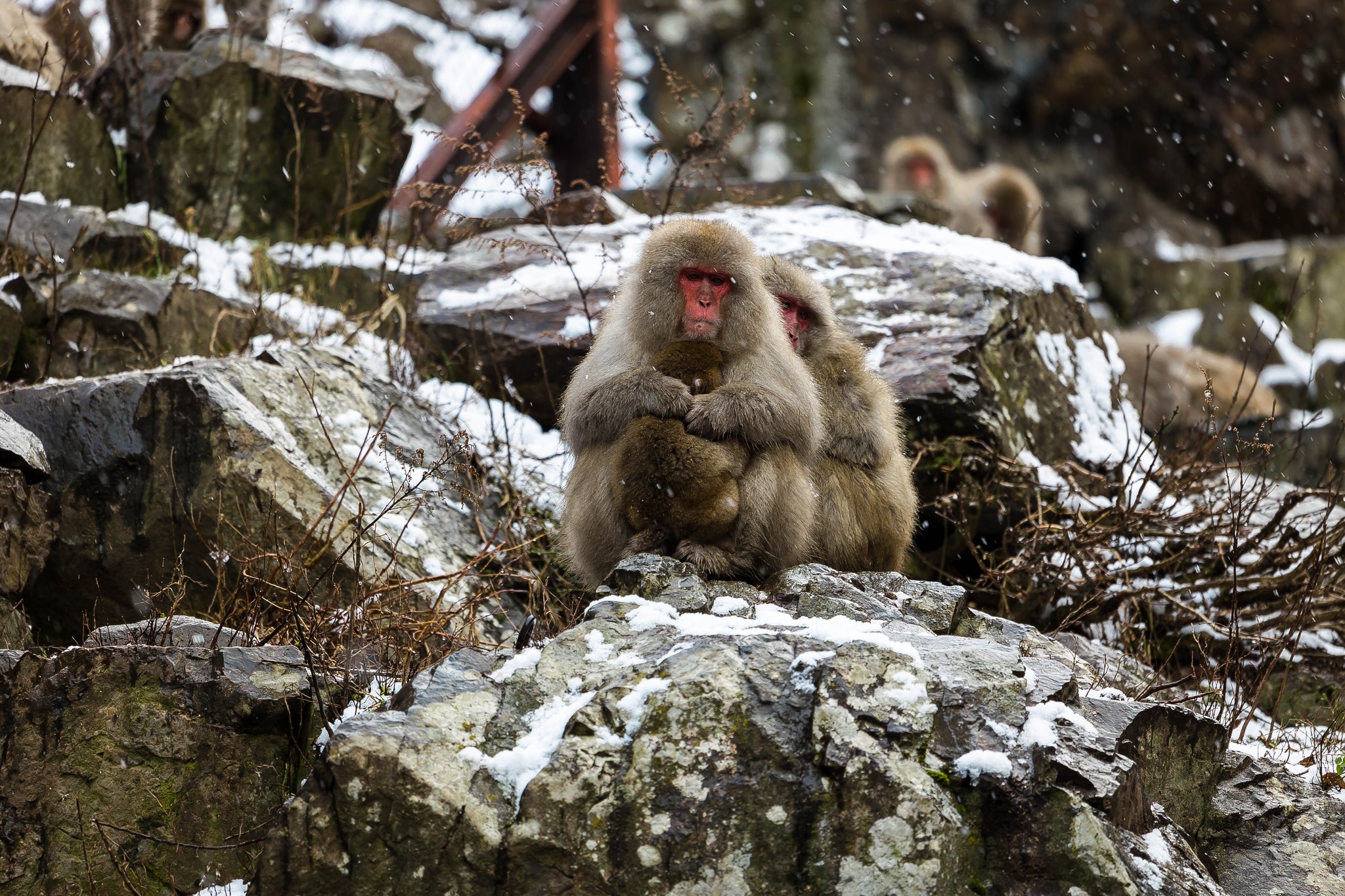
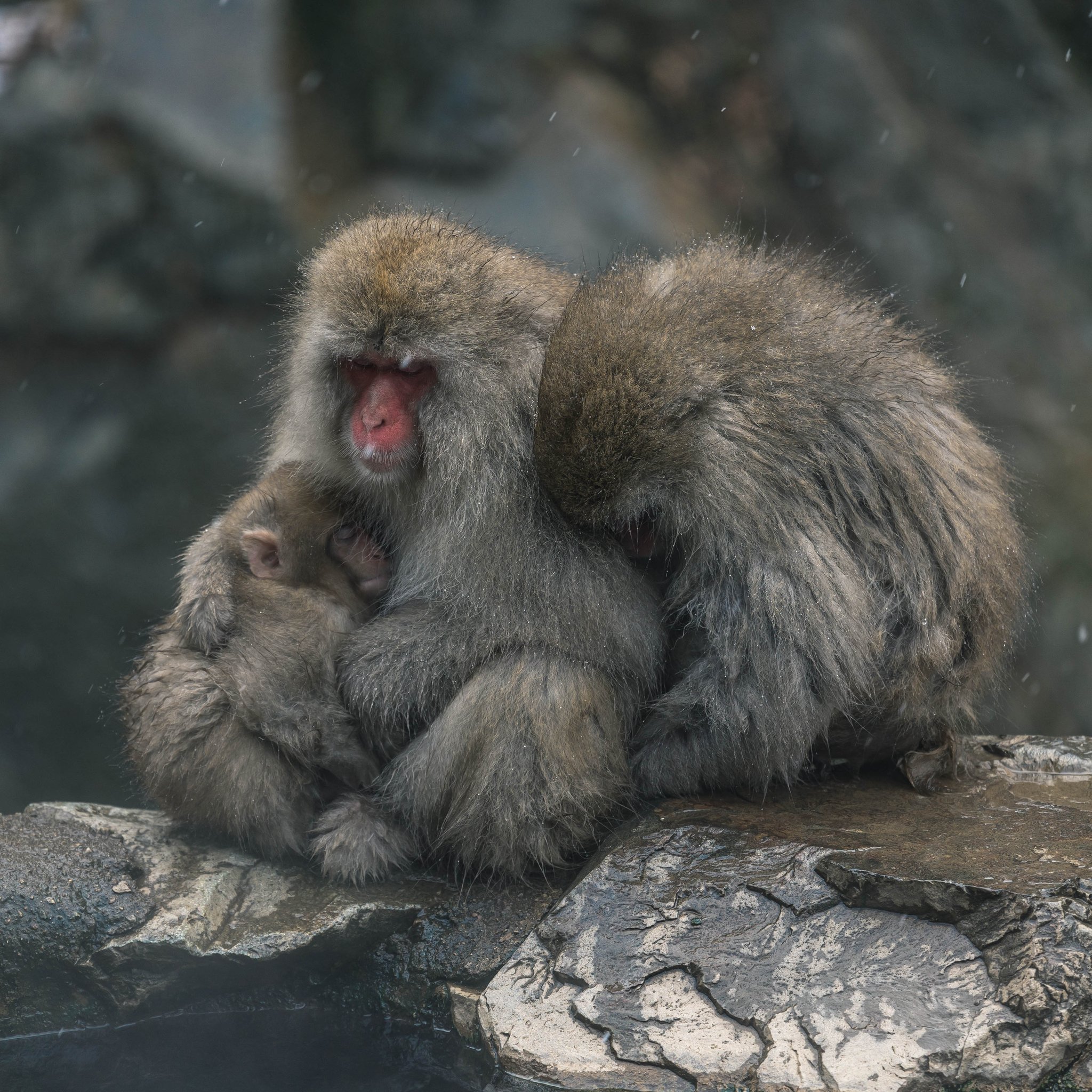
A hot bath in the snow has one design flaw. Eventually, you have to get out. The bathers who did came out soaked, into falling snow, with their fur standing up in spikes. The ones on the rocks had the look of animals who had thought this through.
The best seat
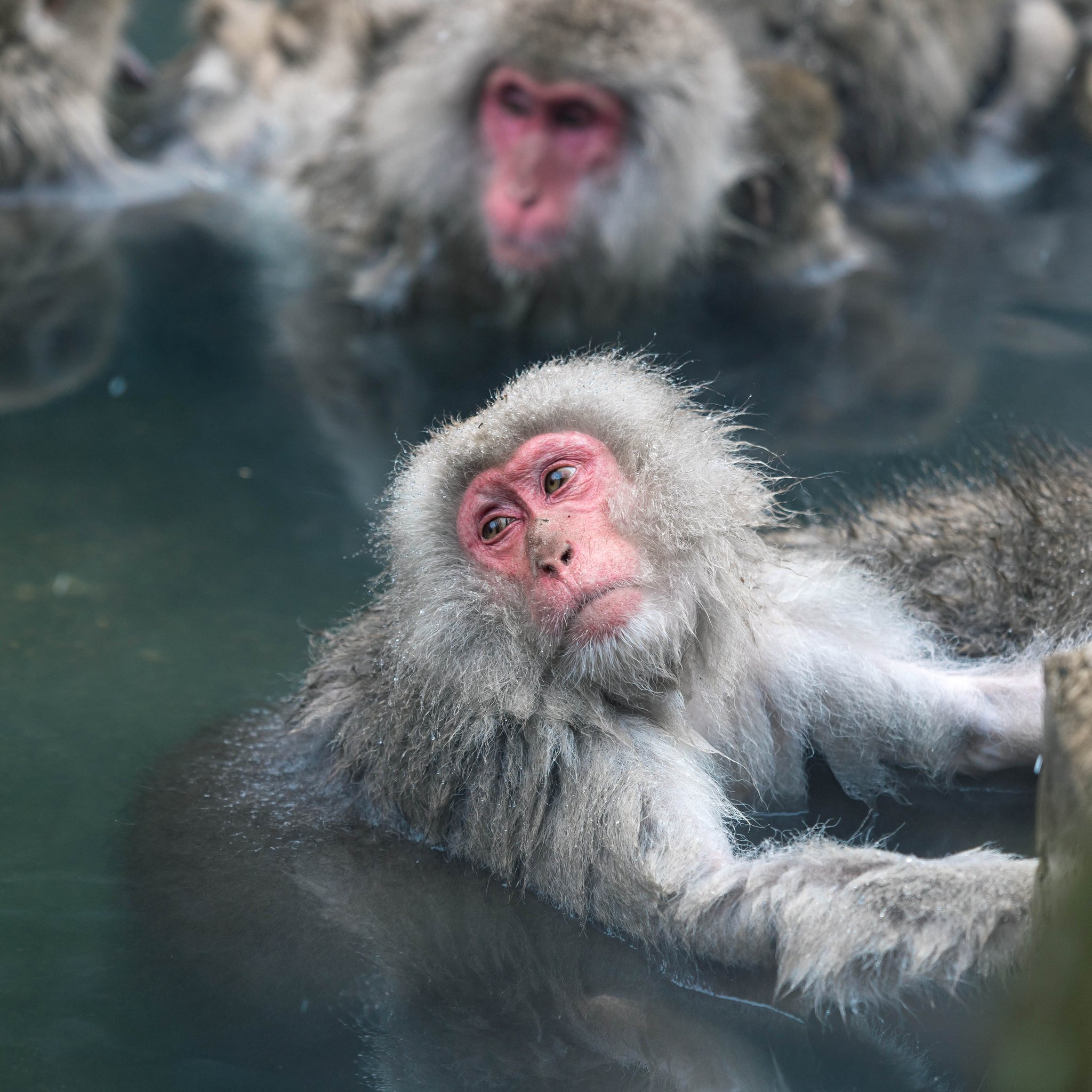
For the ones who do go in, the bath seems to be doing them good. A 2018 study from Kyoto University, which followed twelve adult females, found that bathing in winter lowered their levels of stress hormones. It also found that the higher-ranking females spent longer in the water than the others. As at any popular bath, the best seat goes to whoever can hold it.
The same study found that the visitors, around 500 a day, had no effect on the monkeys’ stress levels. We were, apparently, less trouble than the weather.
A bath for the rest of us
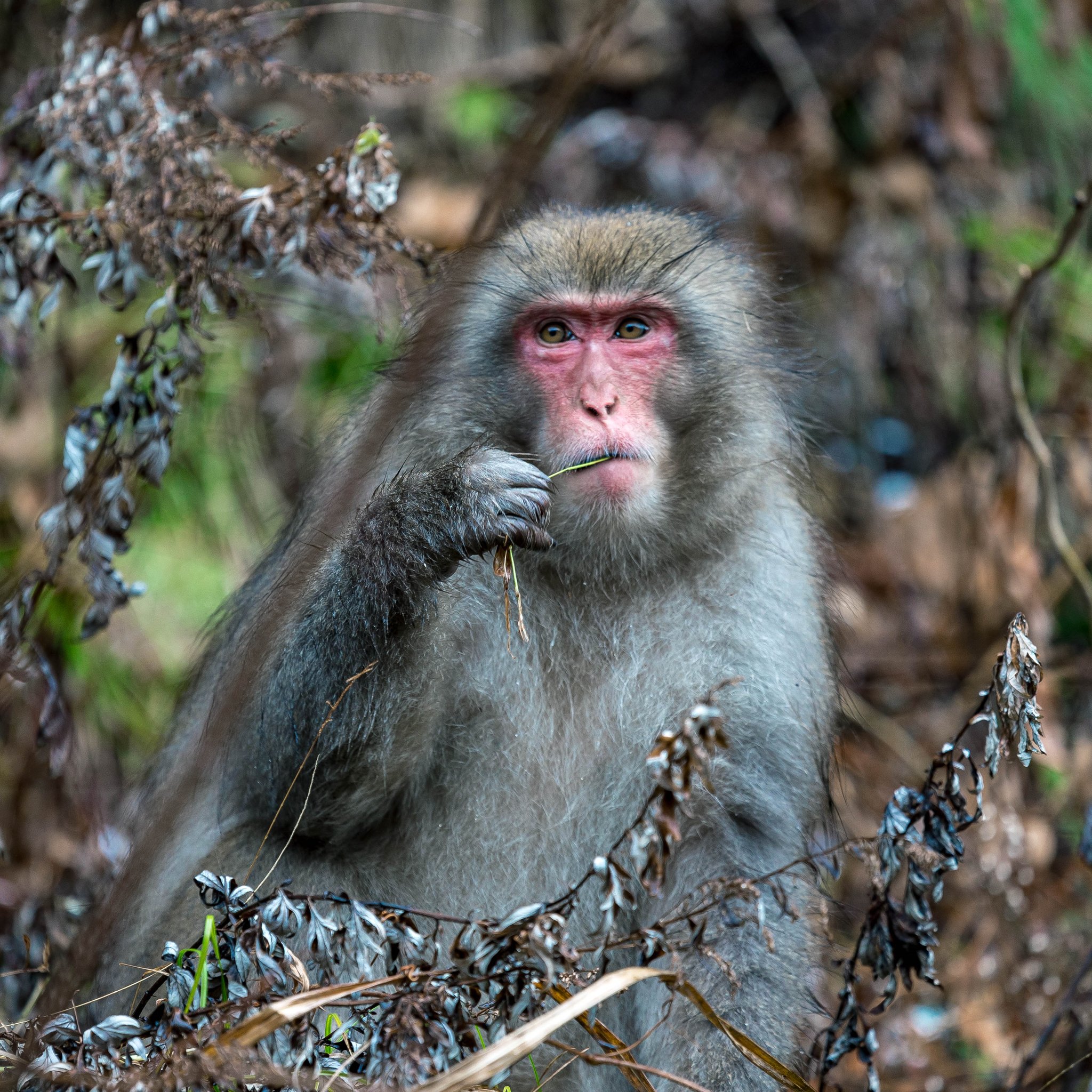
On the way out, one monkey was sitting among dead plants beside the path, eating grass.
Kōrakukan is still in the valley. According to the inn, monkeys still turn up at its bath from time to time.
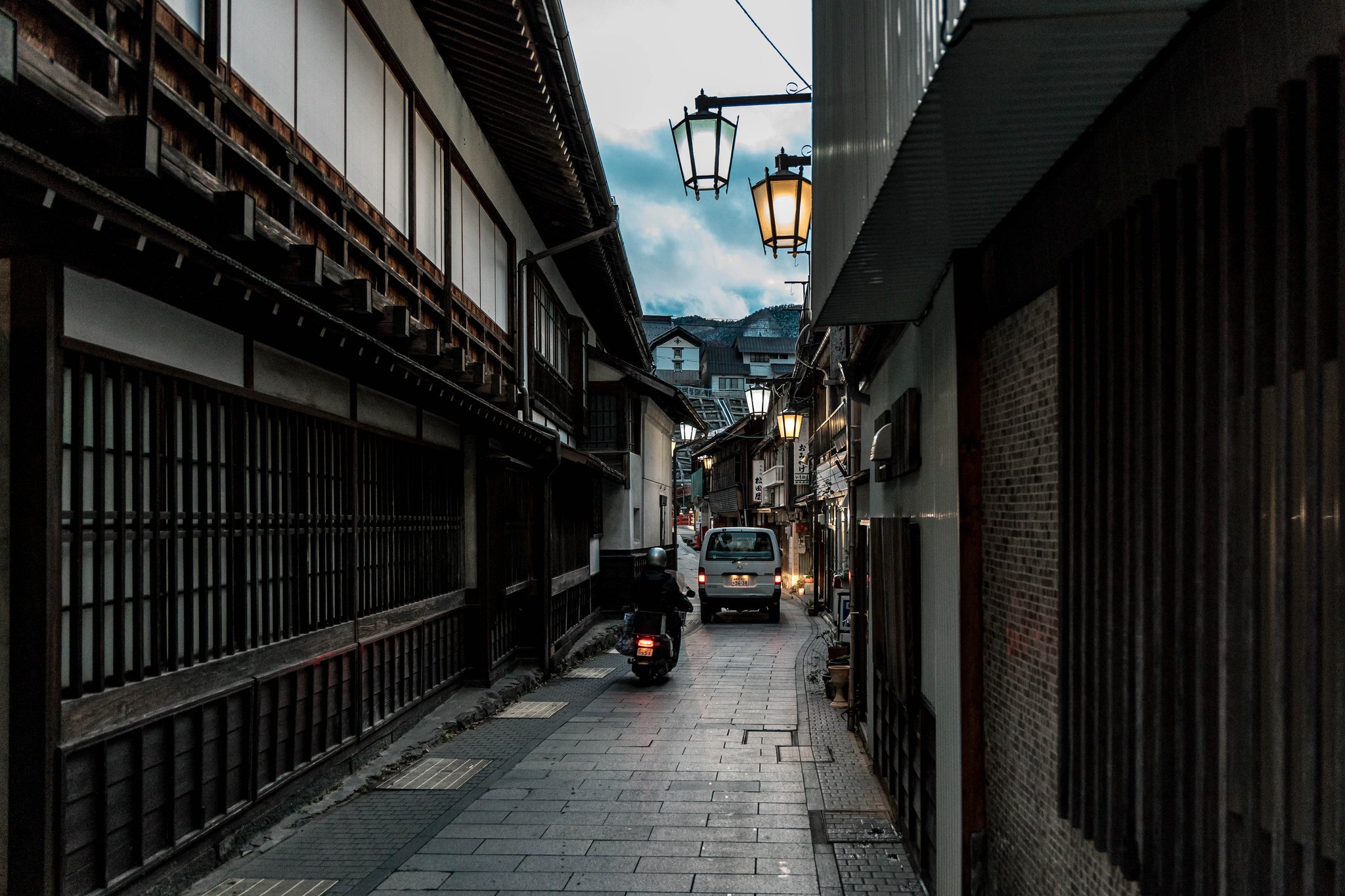
The monkeys’ bath was not an option, so I went down the valley to find one of my own. Shibu Onsen is an old hot-spring town with a nine-bath circuit reserved for overnight guests. The monkeys’ bath has no door at all. Mine had a keyhole, and the key came with my room.
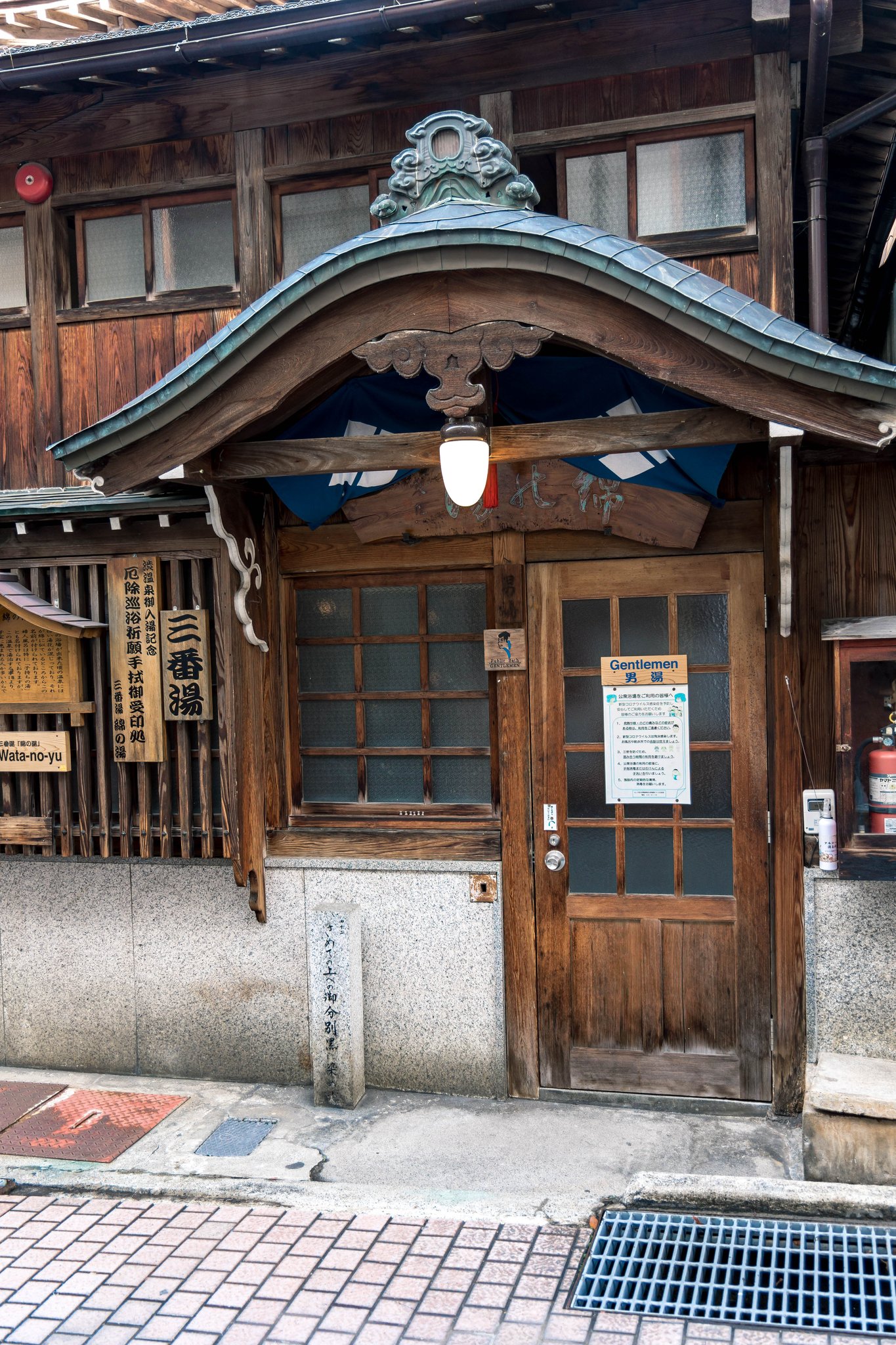
The water was very hot. I got in the way the monkey had in 1963: fingers first, then one foot, then the other, with rather less composure.
Bathing in all nine is said to wash away nine troubles, since in Japanese “nine” and “hardship” can both be read ku. I managed several, which I assume took care of several.
It had all begun with fruit. Apples got the monkeys into trouble, apples drew them into the valley, and an apple floating in a human bath got the first of them into the water. After that, nobody needed the apple.
In Eden, forbidden fruit got two people thrown out of paradise. In Hell Valley, it got the monkeys a paradise of their own, with a rule keeping the rest of us out.
Visit this place
Park
Jigokudani Yaen-kōen (地獄谷野猿公苑)
In the Yokoyu River valley, about 850 m up, at the end of a walking path of about 2 km from Kanbayashi Onsen.
6845 Hirao, Yamanouchi, Shimotakai District, Nagano 381-0401, Japan
Practical Information
- Opening hours
- April–October 8:30–17:00; November–March 9:00–16:00. Open every day, but may close without notice in bad weather. Arrive at least 30 minutes before closing.
- Admission
- Adults (18 and over) 800 yen; children (elementary to high school) 400 yen; under 6 free with an adult. Cards and e-money accepted; QR payments are not.
- Monkeys
- The monkeys are wild. On some days they do not come to the park at all, and the times they arrive and leave vary. The park publishes a weekly forecast on its website. Bathing is most reliable in the cold months.
- Access
- From Yudanaka Station (Nagano Electric Railway), bus about 15 minutes to the Snow Monkey Park stop, then about 35 minutes on foot. Express buses to Shiga Kōgen from Nagano Station also stop there (about 41 minutes); check timetables before travelling.
- Parking
- Free car park at Kanbayashi Onsen, where the path starts. A paid car park closer to the park (500 yen) is reached by a narrow forest road from Shibu Onsen, which is closed in winter.
- Path
- About 2 km and around 30 minutes each way. Unpaved, with steps and slopes; not suitable for wheelchairs or pushchairs. Expect snow and ice in winter.
- Visitor note
- Do not feed the monkeys (no food is sold for them). No pets, including assistance dogs. Visitors may not bathe with the monkeys. Keep children close.
- Shibu Onsen
- The nine-bath circuit is for guests staying in Shibu Onsen, with a key from the inn. Day visitors can use only the ninth bath, Ōyu. Shibu Onsen (Japanese)
- Official information
- Jigokudani Yaen-kōen
Information last checked: September 29, 2026Park hours, admission, access, parking, path conditions, visitor rules and the Shibu Onsen public baths.
Conversation
Comments
Review pending commentsComments are reviewed before appearing. The internet already contains enough unattended surprises.
Checking comments…
Comments are not available in this migration preview yet. Existing comments remain on the current site.
Leave a comment